Direct answer: For protecting plants from heat, sunburn, and moisture loss, use UV-blocking shade cloths with about 70% sun blockage. These fabrics create breathable shade, reduce water needs, and improve growth conditions. The picks below are tailored for home gardens, greenhouses, patios, and outdoor plant spaces.
The buyer types best served by these products include: home gardeners seeking affordable partial shade; greenhouse operators needing heat reduction without blocking all light; outdoor enthusiasts wanting a portable shade solution; and small farms requiring durable, UV-resistant fabric. Below is a quick summary table of the chosen products.
| Product | Size | Shade Block | ||
|---|---|---|---|---|
| UCINNOVATE 6.5×10 ft Green Shade Cloth | 6.5 ft x 10 ft | 70% | Compact gardens, balconies, greenhouses | Durable polyethylene; grommets on sides |
| UCINNOVATE 10×10 ft Shade Cloth | 10 ft x 10 ft | 70% | Greenhouses, larger plant beds | Grommets on sides for easy hanging |
| Kesfitt 10×20 ft Shade Cloth | 10 ft x 20 ft | 70% | Large garden areas, shade for patios | HDPE mesh with copper grommets |
| TANG 8×50 ft Beige Shade Fabric Roll | 8 ft x 50 ft | 95% UV Block (raw roll) | Large shade installations, privacy screens | Raw cut edge; no grommets |
| Roshad 12×6 ft Shade Cloth | 12 ft x 6 ft | 30% UV Block | Low-heat, lightweight protection | Includes clips; denser shade is lower |
ForceField UV Sunblock Fabric Fade Protector 22oz

Features include protection of fabrics and colored surfaces from sun fading, absorption of UV radiation, and safety for all materials without altering fabric texture. Best for plant-protection setups where you want to preserve fabrics used in shading structures or protective covers. Suitable for buyers seeking a liquid UV shield that can be applied to various surfaces. Caution: verify compatibility with all fabric types before broad application.
UCINNOVATE 6.5X10 Ft Green Shade Cloth

Best for smaller plant beds and balcony gardens, this 70% shade cloth reduces heat while allowing airflow and water passage. The heavy-duty polyethylene fabric and included grommets make installation straightforward. Choose this for compact spaces that still need reliable sun protection. Caution: hardware requirements for hanging may vary by setup.
UCINNOVATE Sunblock Shade Cloth 70% (10×10 Ft)
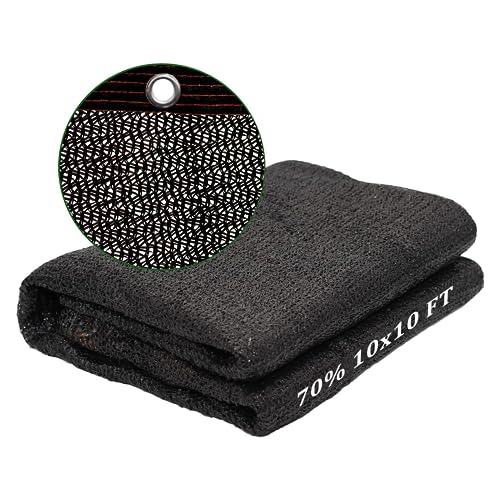
Designed for mid-sized greenhouses and garden plots, this 70% shade cloth offers a balance of heat reduction and light transmission. Durable, UV-resistant material with grommets facilitates secure mounting. Best for gardeners needing stable shade over larger plant blocks. Caution: shade cloth color may affect interior lighting subtly.
Kesfitt 70% Shade Cloth 10×20 ft

Best for larger garden spaces and greenhouses, this HDPE mesh shade cloth provides substantial sun reduction while remaining breathable. Copper grommets on edges help secure coverage across tall plant rows. Choose this for expansive sun protection with easy installation. Caution: not waterproof; water penetration remains possible during heavy rain.
TANG Sunshades Depot 8×50′ Beige Roll

Best for large-scale shade installations where a continuous roll is preferred, this 95% UV-block roll offers extensive sun protection. Easy to cut to size; raw edge without grommets means customization is essential for mounting. Choose this for DIY shade structures or wide-area coverage. Caution: needs precise cutting and mounting hardware.
Roshad Black 30% Shade Cloth

Best for light shading and breeze-friendly protection, this 12×6 ft cloth provides breathable coverage with simple installation via clips. Suitable for smaller plant areas requiring modest sun reduction. Limitation: 30% shade is lower than typical garden shading, so plan for more direct sun in high-heat conditions.
Buying Guide: Shade Cloths And UV Block For Plants
- Shade percentage: Common options are 70% for robust heat reduction and 70–95% for strong sun blocking. Use ~70% for most vegetable gardens and greenhouses; higher percentages suit extremely sunny climates or delicate plant species.
- Material and durability: Look for HDPE or heavy-duty polyethylene with UV resistance. Durable fabrics last multiple seasons and withstand wind and weather.
- Breathability and airflow: Mesh or woven designs should allow air to circulate, reducing heat buildup and preventing mold in high humidity areas.
- Mounting and hardware: Grommets on edges simplify securing shade cloths to frames, fences, or posts. Raw edges require cutting and additional fasteners.
- Size and coverage: Choose dimensions that cover the intended plant area with extra margin for overlap. For long rows, consider roll options or multiple panels for continuity.
- Usage scenarios: Ideal for greenhouses, patios, outdoor beds, hoop houses, and crop rows. Consider temporary vs. permanent installations based on climate and seasonality.
- Care and maintenance: Most shade cloths are machine washable or can be cleaned with water. Avoid harsh chemicals that could degrade UV resistance.
Frequently Asked Questions
- What shade percentage is best for vegetable plants? About 70% shade is a common balance that reduces heat while still letting enough light reach plants for healthy growth.
- Do shade cloths block all UV rays? No, they reduce UV exposure by a set percentage; some UV rays still pass through, but the overall heat and light intensity are lowered.
- Can shade cloths be used indoors in greenhouses? Yes, especially in greenhouses to lower ambient temperatures and protect delicate crops during peak sun hours.
- Are tighter-weave fabrics more durable? Generally, yes—tighter weaves tend to resist tearing better, but ensure breathability for airflow and plant transpiration.
- What installation considerations matter most? Secure mounting, proper tension to avoid flapping, and ensuring overlaps if covering wide areas to prevent sun gaps.