Sulfur powder is a versatile soil amendment used to lower pH, support healthy growth, and improve the availability of micronutrients for plants. This guide highlights five highly-rated sulfur-based products available on Amazon, explaining how each can fit into different garden goals—from blueberries and hydrangeas to vegetables and herbs. Read on to compare their purity, particle size, and application methods to choose the right option for your beds, pots, and landscape.
Summary of selected products
- Gardenwise Elemental Sulfur for Soil (8 oz) — 90% purity, wettable powder
- IMUSTGARDEN Dusting Wettable Sulfur Powder — Organic & Natural
- True Organic Prilled Sulfur — Organic fertilizer, 5 lb bag
- Duda Energy Yellow Sulfur Powder — Commercial grade, 1 lb
- Greenway Biotech Organic Sulfur Powder Fertilizer — 3 Pounds
Gardenwise Elemental Sulfur for Soil — 90% Purity
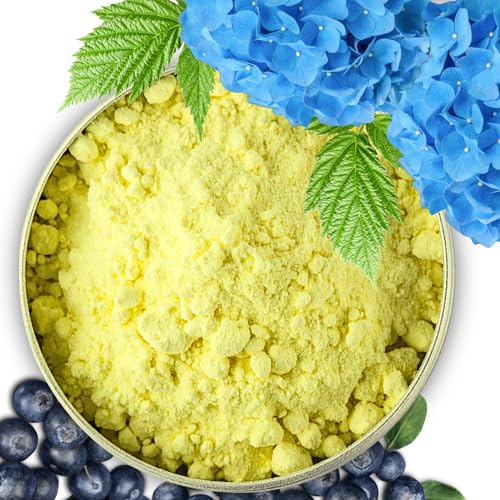
Elemental sulfur powder with 90% purity is finely ground for easy mixing in soil or dilution in water for foliar sprays. This dual-purpose option is designed to quickly lower soil pH and support acid-loving plants such as blueberries and hydrangeas. The fine texture promotes uniform distribution, helping to avoid hotspots and uneven acidity. Gardeners can apply directly to soil or use as a foliar spray, depending on plant needs and weather conditions.
Key features include high purity, effective soil acidification, and flexible use. As a soil amendment, it works best when soil microorganisms convert elemental sulfur to sulfate, a process that gradually improves nutrient uptake for plants that prefer acidic soils. Use with care in regions with very alkaline soil, and consider testing soil pH before and after application to track changes over time.
Application notes
- Mix into the top 6–8 inches of soil or dissolve for foliar use as directed on product packaging.
- Monitor soil pH and target a range appropriate for your plants.
- Avoid applying during heat stress or drought to prevent potential leaf burn or uneven absorption.
I Must Garden Dusting Wettable Sulfur Powder

This sulfur product emphasizes natural and organic use in gardening. It’s positioned as a safe option for organic farming and as a soil conditioner that helps maintain soil acidity without harming flowers, vegetables, fruit trees, shrubs, or most houseplants. The formulation aims to support plant health by meeting sulfur requirements in a manner consistent with organic gardening principles while remaining safe for wildlife and pollinators when used as directed.
Considerations with this product include its organic framing and potential compatibility with organic certification. While it provides sulfur for plant nutrition and pH management, users should follow label directions to ensure safe and effective application. As with all sulfur products, soil biology and environmental conditions influence the rate and duration of pH adjustment.
Usage guidance
- Follow recommended dosages for soil and foliar applications.
- Consider gradual applications to avoid rapid pH shifts that can stress plants.
- Aim for even distribution to prevent localized salt buildup or leaf spotting.
True Organic Prilled Sulfur — Organic Fertilizer

The True Organic prilled sulfur product is marketed as an organic fertilizer option designed to enhance plant growth, flowering, and fruiting while lowering soil pH. The 5-pound bag covers a substantial area and is positioned as a general-purpose sulfur source suitable for a broad range of plants, including flowers, vegetables, herbs, and ornamental shrubs. Prilled forms typically offer uniform distribution and ease of use in both soil mixing and topical applications.
From an agronomic perspective, this product emphasizes the sulfur’s role in plant protein formation and micronutrient availability as soil acidity improves. Practitioners should understand that microbial activity is required to convert elemental sulfur to sulfate, so benefits may accumulate over time rather than immediately after application.
Practical tips
- Incorporate into the soil before planting or early in the growing season for best results.
- Test soil pH periodically to determine when adjustments are needed.
- Use as part of an overall nutrient management plan, balancing sulfur with other nutrients.
Duda Energy Yellow Sulfur Powder — Commercial Grade

This offering emphasizes high purity and fine grinding, described as 99.5%+ pure, qualifying as a commercial-grade sulfur powder. It is a dense option that’s suitable for professional use, agricultural settings, or gardeners seeking a robust sulfur source. The product notes indicate a fine particle distribution around a #200 mesh, which can influence mixing behavior and dissolution rates in soil or spray solutions.
For buyers, this option provides a potent sulfur source with a focus on consistent particle size. When applying in home gardens, users may prefer to start with smaller batches and verify compatibility with their soil’s initial pH and composition. Ensure you wear appropriate protective gear when handling finer powders to avoid inhalation or irritation.
Application framing
- Blend into soil or dissolve in water for targeted foliar use if permitted by label.
- Coordinate with soil testing to determine pH adjustment needs.
- Monitor for potential reactions with existing soil amendments or fertilizers.
Greenway Biotech Organic Sulfur Powder Fertilizer — 3 Pounds

This product emphasizes essential nutrients for plant growth, combining high-purity elemental sulfur with other micronutrients. It’s marketed as suitable for lowering pH and addressing sulfur deficiencies, offering a comprehensive approach for gardeners managing a variety of plant types. With 3 pounds, it provides a sizeable quantity for medium-term use across garden beds or larger potted plant collections.
From a nutritional perspective, sulfur is vital for protein formation and enzyme function in plants. The packaging notes stress the need for microbial conversion to sulfates in the soil, underscoring the importance of soil biology in achieving the desired pH and nutrient outcomes. Gardeners should consider integrating soil biology practices, such as balanced organic matter, to maximize effectiveness.
Best-use guidance
- Apply evenly to avoid concentrated pockets that could alter local pH too rapidly.
- Pair with soil tests to tailor application to plant needs and soil conditions.
- Consider seasonal timing: early spring or post-harvest periods can be suitable for pH adjustments.
Buying Guide: Key Purchase Considerations
Choosing the right sulfur powder depends on plant type, soil condition, and application preferences. Here are critical factors to evaluate before buying:
- Purity and particle size: Higher purity and finer grind ease mixing and absorption, but may be more prone to dust exposure. Coarser prilled forms are better for slow, long-term release.
- Organic vs. conventional: Organic-certified options are preferred for organic gardens, while conventional products may be suitable for mixed-use setups or non-organic beds.
- Form and application method: Decide whether you want soil incorporation, foliar spraying, or both. Some products are designed specifically for soil, while others are optimized for foliar use when mixed with water.
- Soil pH goals: Know your target pH range for your plants (blueberries, hydrangeas, azaleas, etc.) and test soil before and after application to gauge effectiveness.
- Environmental considerations: Sulfur can affect nearby wildlife and should be used with care around pollinators and pets. Follow label directions and avoid over-application.
- Volume and coverage: Larger bags (e.g., 3–5 pounds) suit larger gardens, while small bags (8 oz to 1 lb) are better for containers or test plots.
- Ease of use: Wettable powders are versatile but may require mixing; prilled or granulated forms offer simpler handling for some gardeners.
- Compatibility with other inputs: Review compatibility with fertilizers, compost, and soil amendments to prevent adverse chemical interactions.
In sum, sulfur powders serve as a practical tool for managing soil acidity and supporting plant nutrition. By aligning product form, purity, and application with your specific plant mix and soil health strategy, you can achieve balanced growth and better nutrient uptake across your garden.