Choosing the right starter fertilizer is essential when establishing tall fescue lawns. The best starter fertilizers provide an optimal balance of nitrogen, phosphorus, and potassium to encourage strong root systems, rapid establishment, and robust early growth. This guide reviews five top options from trusted brands, highlighting how each product supports seeding, sod, or overseeding projects. Use this information to compare nutrient ratios, coverage, and application methods for a healthier tall fescue lawn.
| Product | Brand | Size / Coverage | Key Benefit |
|---|---|---|---|
| Scotts Turf Builder Starter Fertilizer for New Grass | Scotts | 15 lbs (5,000 sq ft) | Promotes 70% thicker, 35% quicker growth; ideal for seed, sod, or plugs |
| Scotts Turf Builder Starter Fertilizer for New Grass | Scotts | 42 lbs (14,000 sq ft) | Same All-in-One formula in a larger bag for bigger projects |
| The Andersons Premium New Lawn Starter 20-27-5 | The Andersons | 18 lb (up to 5,000 sq ft) | Optimized mix for new sod and seed with 1% iron for deep greening |
| Fertilome New Lawn Starter Fertilizer 9-13-7 | ferti-lome | 10 lb (up to 2,500 sq ft) | Key nutrients to support seed and sod establishment |
| Jonathan Green Veri-Green Starter Fertilizer 12-18-8 | Jonathan Green | 15,000 sq ft (varies by bag) | Promotes deep root development with phosphorus and humates |
Interpreting the data below helps tailor product choice to your lawn project, whether you’re planting seed, laying sod, or overseeding existing turf. Each option below is designed to support tall fescue’s rooting and establishment needs while staying effective across typical American landscapes.
Scotts Turf Builder Starter Fertilizer for New Grass 15 Lbs

Brand: Scotts
Key Features: Grows new grass 70% thicker and 35% quicker versus unfed grass; improves seeding results; suitable for sod and grass plugs; 24-25-4 fertilizer ratio supports early development of lawns.
The starter formula is specifically designed to back new plantings, making it a solid choice for tall fescue seed applications. The nutrient balance prioritizes phosphorus for root establishment while delivering nitrogen for above-ground growth. Users should apply at the seed or plug stage and follow labeling for water and mowing guidelines.
Scotts Turf Builder Starter Fertilizer—Large Bag
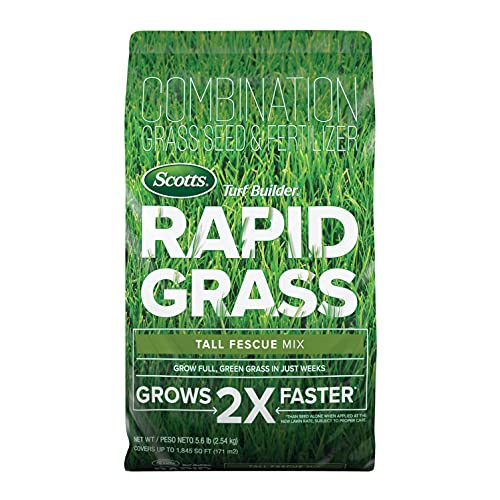
Brand: Scotts
Key Features: Combines grass seed and fertilizer for rapid establishment; tall fescue mix grows green grass in weeks; designed for overseeding or establishing new lawns; provides nutrients and seed in one package.
For projects that involve overseeding large bare areas, this product’s dual-action design can save time. It’s well-suited to tall fescue scenarios where quick germination and establishment are desired, while providing essential nutrients that support root growth through early stages.
The Andersons Premium New Lawn Starter 20-27-5
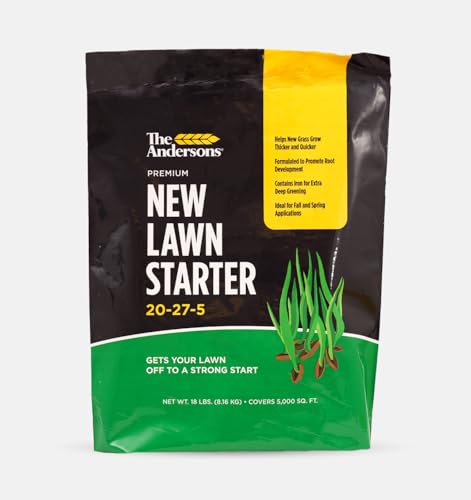
Brand: The Andersons
Key Features: Formulated for new sod and seeded areas; balanced nitrogen, phosphorus, potassium with essential micronutrients; includes iron for deep greening; covers up to 5,000 sq ft.
This option emphasizes root establishment and vibrant initial growth. The iron content supports early color, while a well-rounded macro-nutrient profile helps seedlings develop a sturdier base in challenge conditions such as heat or drought stress during establishment.
Fertilome New Lawn Starter Fertilizer 9-13-7

Brand: ferti-lome
Key Features: Provides essential nutrients to support healthy grass growth; specifically designed to help seed and sod establish roots and sturdy stems; suitable for early lawn development.
Ideal for homeowners starting new tall fescue patches, this fertilizer focuses on root formation and early durability. It offers a phosphorus-forward ratio that facilitates robust seedling development while delivering nitrogen for rapid initial growth.
Jonathan Green Veri-Green Starter Fertilizer 12-18-8

Brand: Jonathan Green
Key Features: Formulated for seeding and sodding with a 12-18-8 analysis; rich in phosphorus for root development; includes humates to boost nutrient efficiency and soil availability; feeds up to 2 months.
This starter option emphasizes deep, dense root formation and sustained nutrient delivery. The higher phosphorus level supports early root systems, and humates help improve nutrient uptake in challenging soil conditions, which is beneficial for new tall fescue stands.
Buying Guide
When selecting a starter fertilizer for tall fescue, consider these purchase considerations to ensure optimal establishment and long-term lawn health:
- N-P-K Ratio: Starter formulas typically prioritize phosphorus (P) for root development. Look for ratios around 10-20-10 to 20-30-10, adjusting for soil tests and local climate.
- Application Timing: Use fertilizers designed for seed or new sod at planting or installation time. For overseeding, ensure the product supports seedling establishment.
- Iron Content: Iron enhances early greening but does not substitute for proper irrigation and mowing practices. Some formulas include iron for a quick color boost.
- Micronutrients and Humates: Microelements and humates can improve nutrient availability and root growth, particularly in poorer soils.
- Coverage Area: Choose a bag size that matches the project scope. Larger yards may benefit from bigger bags to reduce the number of purchases and ensure consistent nutrient delivery.
- Brand and Availability: Reputable brands with clear application instructions reduce the risk of over- or under-fertilizing and support better lawn outcomes.
- Soil Tests: If possible, perform a soil test before applying starter fertilizer. Results guide precise nutrient needs and can influence product choice.
- Water and Mowing Practices: Proper irrigation after application and mowing schedules influence nutrient uptake and growth rates. Follow label directions for best results.
In summary, for tall fescue establishment, favor starter products with a strong phosphorus component, ensure the formula matches your planting method (seed, sod, or overseed), and consider iron and micronutrients to support rapid green-up and root expansion. The five reviewed options provide a range of sizes, application modalities, and nutrient balances to fit common American landscapes and project scales.