Square foot gardening grids help you maximize space, simplify planting, and ensure even water distribution. This guide highlights five top Garden Grid options and a seed spacer toolkit that fit square foot layouts. Each option is evaluated for who it’s best for, why it was chosen, and any potential limitations you should know before buying.
| Product | Best For | Why It Stands Out |
|---|---|---|
| Garden Grid Watering System – 3×6 | Raised-bed beginners and mid-size beds | Pre-assembled, 16 streams per square for even hydration |
| Garden Grid Watering System – 2×6 | Compact beds and first irrigation setup | Easy 1–2 minute setup, built for reliability |
| Garden Grid Watering System – Cornerless 4×8 | Beds with curves or corner posts | Open-corner design delivers full coverage even in tricky layouts |
| Seed Spacer Tool – Green | New gardeners and kids learning spacing | Clear grid guides quick, stress-free planting |
| Seed Spacer Tool – Yellow | Colored-spread templates for visual spacing | Same spacing concept with a brighter color option |
Buyer note: The products here emphasize practical, grid-based square foot gardening. They are designed to work with raised beds and bed grids, helping you achieve neat rows, better weed control, and more predictable harvests.
Garden Grid Watering System – 3×6 (But Better)

The Garden Grid Watering System for a 3×6 bed is designed for straightforward setup and even irrigation. It ships in preassembled sections and connects directly to a standard hose. It provides 16 even water streams per square, ensuring uniform hydration across the entire raised bed. This makes it a strong choice for gardeners who want reliable, hands-free watering without fiddling with emitters, tubing, or complicated installation.
Best for: Beginners and busy growers who want a simple, durable irrigation solution that covers every plant in a standard 3×6 raised bed. It’s also suitable for gardeners who prefer a low-maintenance approach with less likelihood of emitter clogging.
Why selected: The combination of preassembly, water-wide coverage, and USA-made materials supports consistent watering patterns and long-term durability. It’s particularly appealing for square foot layouts where even distribution matters most.
Caution: Check bed measurements to confirm the 3×6 fit with your border and supports. If your bed has unusual dimensions, you may need a different grid size to avoid gaps at edges.
Garden Grid Watering System – 2×6 (1-Minute Setup)

This version prioritizes speed and ease of setup for a 2×6 raised bed. It arrives preassembled and can be connected to a garden hose in about a minute or two. Like the other Grid options, it delivers 16 even streams per square, offering full coverage across the bed with minimal effort. It is ideal for gardeners expanding from traditional watering methods to a structured, square foot layout.
Best for: Home gardeners upgrading from manual watering who want fast installation and dependable performance in a medium-sized bed. It’s also suitable for those who frequently rotate crops across a 2×6 footprint.
Why selected: The emphasis on simplicity and reliability makes this a strong candidate for first-time grid users, preserving water efficiency and reducing manual watering time.
Caution: Ensure compatibility with your water pressure and hose coupling. High pressure works well, but very low pressure might reduce the uniformity of streams.
Garden Grid Watering System – Cornerless 4×8

The Cornerless 4×8 Garden Grid is designed for beds with curves or corner posts. Its open-corner design ensures water reaches every planting area even when the bed shape isn’t a perfect rectangle. This model combines the benefits of a square foot grid with adaptable coverage for irregular layouts, helping you maintain even soil moisture across curved borders.
Best for: Gardeners working with irregular bed shapes, rounded ends, or beds that include corner posts that traditionally block standard grids. It is particularly useful for maximizing coverage without manual line repositioning.
Why selected: It addresses a common limitation of rigid grid systems by accommodating non-traditional bed shapes, helping you maintain consistent irrigation and reduces dry spots in curved layouts.
Caution: Measure your bed’s longest dimensions and corner features before purchasing to confirm a proper fit. Cornerless design may not align perfectly with every bed corner, depending on exact measurements.
Seed Spacer Tool – Green (Square Foot)
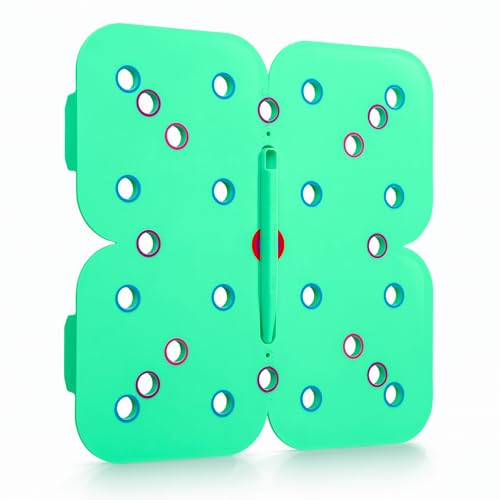
The Seed Spacer Tool uses a clear, color-coded grid to guide seed placement in square foot garden layouts. It helps improve spacing accuracy for vegetables, fruits, and herbs, making it ideal for beginners and families teaching kids about planting. The tool supports quick, press-and-poke planting in three simple steps, reducing guesswork and rework.
Best for: New gardeners and households that want a tidy, visually guided start to a square foot garden. It’s also helpful for raised beds where precise spacing translates to healthier seedlings and easier maintenance.
Why selected: A tidy grid that translates to actual planting actions helps reduce weeds and crowding, while keeping seed spacing consistent across a bed’s footprint.
Caution: The tool is a guide for spacing; soil type and seed size will still influence actual planting density. Users should adjust spacing for large-seeded crops if needed.
Seed Spacer Tool – Yellow (Square Foot)

The Yellow Seed Spacer Tool offers the same spacing benefits as the Green version but provides a bright color option for easier visibility in varied garden lighting and soil colors. It helps you visualize and implement even spacing quickly, supporting a neat, grid-like appearance and straightforward maintenance.
Best for: Gardeners who prefer high-contrast tools for easier use in outdoor lighting or for teaching kids. It’s also useful for multi-crop beds where quick visual checks help maintain order.
Why selected: The bright color aids quick placement in larger beds, reducing time spent double-checking seed positions. It complements the green variant for those who want color-coded options.
Caution: Color alone should not replace careful measurement—spacing rules still matter, especially for seeds with unique germination needs.
Buying Guide: Square Foot Gardening Grids And Accessories
What to consider when choosing a grid-based irrigation or planting system for square foot gardening.
- Bed size and shape: Match the grid dimensions (2×6, 3×6, 4×8, etc.) to your raised bed’s length, width, and any curved ends or corner posts. Cornerless designs help with curved beds, while standard grids fit regular rectangles.
- Watering method and coverage: If even hydration is critical, choose a system that delivers multiple streams per square and minimizes dry spots. Preassembled grids reduce setup time and potential leak points.
- Installation time and maintenance: Preassembled options save hours of setup and reduce the risk of miswiring or leaks. Consider materials that resist UV exposure and weathering for long-term use.
- Plant spacing compatibility: Spacing tools help maintain uniform square foot areas. Use seed spacers for beginners to reduce replanting and weed growth from uneven rows.
- Durability and origin: UV-resistant, water-safe materials and USA-made construction can offer reassurance about longevity and local supply.
- Potential limitations: Some grid systems require bed measurements to fit perfectly. Corner designs may not integrate seamlessly with unusual bed shapes unless the model is specifically designed for curves or post features.
Practical usage tips
- Plan your crop layout on paper before installing a grid. This helps maximize space and harvest potential.
- Test water pressure before finalizing connections to ensure even streams across all squares.
- Use the seed spacer tools to establish a baseline, then adjust for plant-specific spacing as needed.
- Regularly inspect grid connections for wear or clogging, especially after heavy rains or winter conditions.
Frequently Asked Questions
- What is square foot gardening?
Square foot gardening is a method that uses a grid to divide growing beds into equal-sized square units, typically one square foot each. This approach standardizes planting density, reduces weeds, and simplifies harvesting.
- Will a Garden Grid work in curved beds?
Yes, cornered or cornerless grid designs are available. Cornerless grids are especially useful for beds with curves or post obstacles, maintaining even coverage.
- Are seed spacer tools essential for square foot gardening?
They are helpful for beginners and busy gardeners to achieve uniform spacing quickly. They reduce guesswork and replanting, but experienced gardeners can space manually if desired.
- Can I mix multiple grid sizes in one garden?
Yes, you can combine different grid formats if your beds vary in size and shape. Just ensure proper alignment at the borders to avoid uneven water distribution or crowding.
- Do these systems require tools for setup?
Most Garden Grid options are tool-free for assembly and setup, designed to connect to a standard hose and lay across the bed without additional fittings.
Using square foot gardening grids helps you manage irrigation and planting with precision. The products highlighted here are selected to support straightforward setup, full bed coverage, and clear spacing that translates to healthier plants and better yields across standard raised beds.