If you’re seeking a robust, low-growing evergreen that blankets slopes, controls erosion, and adds cool blue-green color, spreading junipers are a top choice. These selections excel as ground cover or mass plantings and suit sunny landscapes with well-drained soil. The following five products are among the most relevant options for American lawns and gardens, ranging from small starter plants to larger, multi-pack shipments. Each entry highlights who it’s best for, plus practical considerations to help you decide.
| Product | Best For | Notes |
|---|---|---|
| Juniper Blue Pacific (30 live plants) | Medium- to large-scale groundcover in sunny beds | Heat-tolerant, natural form; drought-tolerant once established |
| Blue Pacific Shore Juniper (20) | Coastal or sunny borders needing dense foliage | Low maintenance, evergreen carpet |
| Sandys Nursery Online Juniper Blue Rug Ground Cover Starter Plant (6) | Erosion control on slopes; mass plantings | Low-growing, compact habit; very drought-tolerant |
| Blue Rug Juniper Wiltonii (20) | Rock gardens or xeriscapes needing color | Dense, silvery-blue foliage; erosion control |
| Blue Rug Juniper Wiltonii (60) | Large-scale ground cover or border plantings | Fast-growing, strong erosion control |
Juniper Blue Pacific — 30 Live Plants
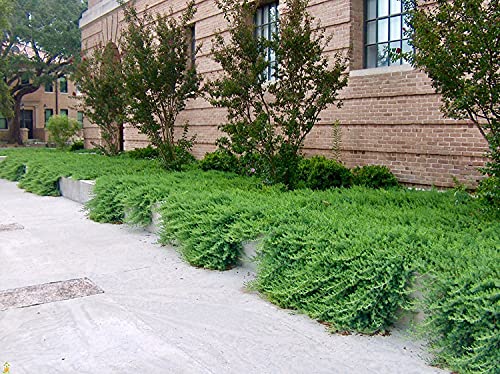
Brand: Florida Foliage
Features: Dense blue-green foliage with a low spreading habit. Best when left to grow in its natural form, not heavily pruned. Noted for heat tolerance and year-round color. Growth spreads 2-3 feet; height around 6 inches.
Best for: Garden beds and larger ground-cover areas in full sun that need year-round color with minimal maintenance. This cultivar is ideal for buyers who want a bold, uniform carpet without frequent trimming.
Why selected: It combines a vivid blue-green color with a naturally low, spreading form, reducing pruning needs once established.
Limitations: Requires regular watering during establishment; once rooted, periodic watering during droughts is helpful to maintain density.
Blue Pacific Shore Juniper — 20 Live Plants
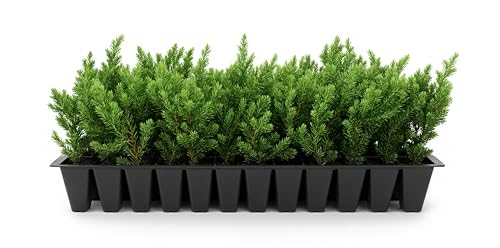
Brand: Florida Foliage
Features: Dense, lush foliage suitable for an evergreen ground cover. Performs well in well-drained soil with full sun, delivering a carpet-like effect with minimal year-round maintenance. Adapts to a variety of soil types.
Best for: Coastal or sunny sites where a durable, low-maintenance ground cover is desired. It’s a great option for gardeners prioritizing drought resilience and visual texture.
Why selected: The combination of density, color, and adaptability makes this a reliable “best for ground-cover” pick in bright landscapes.
Limitation: Requires full sun for optimal color; shaded areas may reduce density and color intensity.
Sandys Nursery Online Juniper Blue Rug Ground Cover Starter Plant (6)

Brand: Sandys Nursery Online
Features: Juniperus horizontalis ‘Wiltonii’; blue-green needle-like leaves; low-growing, dense mats 4″-6″ tall with 6-8′ spread. Moderate-to-rapid growth (0.5–1.5′ per year). Excellent for slopes, erosion control, and rock gardens. Tolerates sandy soils and poor drainage poorly; prefers well-drained soils and full sun.
Best for: Erosion control on slopes or banks; mass planting for a dense, carpet-like effect in sunny, well-drained areas.
Why selected: It is explicitly described as the lowest-growing ornamental juniper ground cover, making it ideal for creeping mats and erosion prevention.
Limitation: Needs well-drained soil; overwatering or poorly drained beds can hinder performance and vigor.
Blue Rug Juniper Wiltonii — 20 Live Plants

Brand: Florida Foliage
Features: Silvery-blue foliage with a dense, spreading habit. Low-maintenance ground cover ideal for sunny spots, creating a lush carpet quickly. Excellent for erosion control due to its growth pattern.
Best for: Rock gardens, sunny borders, and erosion-prone slopes where a durable, small-scale ground cover is needed.
Why selected: Its classic Blue Rug appearance and erosion-stabilizing habit make it a reliable choice for ornamental and functional landscaping alike.
Limitation: Performs best in full sun; shaded areas may lose some color vibrancy.
Blue Pacific Shore Juniper — 50 Live Plants
Brand: Florida Foliage
Features: Dense, evergreen carpet with low-maintenance requirements. Thrives in well-drained soils and ample sunlight; adaptable to soil types and typically suitable for coastal landscapes.
Best for: Larger-scale ground-cover projects or borders needing a continuous evergreen blanket and durable surface cover.
Why selected: Large quantity packs offer robust, uniform coverage for bigger landscapes while maintaining color consistency.
Limitation: Requires full sun for optimal density and color; insufficient light can reduce trailing vigor.
Buying Guide: Spreading Junipers For Ground Cover
What to consider when choosing spreading junipers
Sun exposure matters. Most spreading junipers thrive in full sun, delivering best color and density in bright light. If your site has partial shade, prioritize cultivars noted for shade tolerance or be prepared for slower growth and lighter color.
Soil drainage is critical. These plants hate wet feet; well-drained soil reduces root rot and ensures a healthy mat formation. For slopes and erosion-prone areas, choose forms with dense root systems and robust spreading habits.
Watering during establishment. New plantings require regular watering to establish roots. Once established, many of these selections transition to drought tolerance, needing less frequent irrigation—except during prolonged droughts.
Size and spacing. Consider final spread (often 2-8 feet for many blue rug types) and plan spacing accordingly to avoid overcrowding and to achieve an even, continuous carpet.
How many plants do you need?
Estimate by area: for a uniform carpet, plant at distances equal to about half the mature spread. For example, if a juniper will spread 6 feet, space plants roughly 3 feet apart for dense coverage.
Starter plants vs. larger shipments. Starter plants bring quicker visual impact in smaller gardens, while larger packs are cost-effective for larger projects or mass plantings along slopes or borders.
Maintenance considerations
Pruning. Most spreading junipers look best when left in natural form; prune sparingly along edges to keep the middle full and avoid a sparse center. Heavy pruning can disrupt the natural growth habit.
Winter care. In colder regions, some cultivars retain color well, while others may look less vibrant in winter. Choose cold-hardy options if you’re in USDA zones with harsh winters.
Environmental fit
Coastal and drought-prone landscapes benefit from evergreen, salt-tolerant, and waterwise varieties. If erosion control is a priority, select cultivars known for their dense, ground-covering mats that stabilize soil on slopes.
FAQ
- Which spreading juniper is best for erosion control? Look for dense, low-growing varieties with a strong spreading habit. Blue Rug (Wiltonii) types and Blue Pacific Shore Juniper selections are well-regarded for erosion control on slopes.
- Do spreading junipers require a lot of water? They are drought-tolerant after establishment but typically need regular watering during the first growing season to develop a strong root system.
- Can I prune spreading junipers heavily? Pruning should be light and along the edges to maintain a natural look. Heavy pruning can damage the plant’s form and density.
- Which variety is best for coastal landscapes? Coastal environments benefit from salt-tolerant, drought-tolerant options like Blue Pacific Shore Juniper and similar affirmations from the listed products.
- How large will these plants get? Mature spreads vary by cultivar; expect from 2 to 8 feet or more for trailing ground-cover types, with heights around 4-12 inches for many blue rug forms.