Raccoons can be persistent visitors to yards, gardens, and trash areas. A reliable spray repellent provides an added layer of protection without harsh chemicals. This article reviews five effective raccoon deterrent sprays, highlighting what makes each brand unique, how to apply them, and practical considerations for choosing the right product for your outdoor space.
Summary of chosen products:
| Product | Brand | Form | Key Benefit |
|---|---|---|---|
| Natural Armor Animal & Rodent Repellent Spray | Natural Armor | Ready-to-use spray | Powerful peppermint formula for outdoor deterrence |
| NatureStop Raccoon Repellent Spray | NatureStop | 16 oz spray | Long-lasting outdoor deterrence for yards and bins |
| Rodent Sheriff Peppermint Oil Repellent | Rodent Sheriff | Spray | All-natural peppermint scent, effective against multiple pests |
| BIO YOLO Rodent Repellent Spray | BIO YOLO | 16 oz | Extra-strength peppermint-based protection |
| VarmiPro Raccoon Repellent Spray Concentrate | Leaves and Soul | 32 oz concentrate | All-natural concentrate for DIY spray applications |
Natural Armor Animal & Rodent Repellent Spray

Natural Armor offers a ready-to-use spray designed to deter a range of pests, including raccoons, skunks, rats, mice, and deer. The product emphasizes a peppermint-based and other essential oil blend that creates a noticeable scent barrier outdoors. It is described as safe for use around people and pets when applied as directed, making it suitable for residential yards, driveways, and landscaped areas. The outdoor performance targets typical raccoon hotspots such as trash bins, garden beds, and entry points, where scent cues can deter visits over time.
NatureStop Raccoon Repellent Spray

NatureStop focuses on long-lasting deterrence for outdoor use. The product is formulated to discourage raccoon activity around yards, trash areas, and entry points such as gates or compost piles. The spray claims extended protection in treated locations, supporting ongoing deterrence when raccoon pressure is highest. It emphasizes suitability for outdoor application, with coverage that can address larger spaces and commonly used pathways around gardens and bins.
Rodent Sheriff Peppermint Oil Repellent
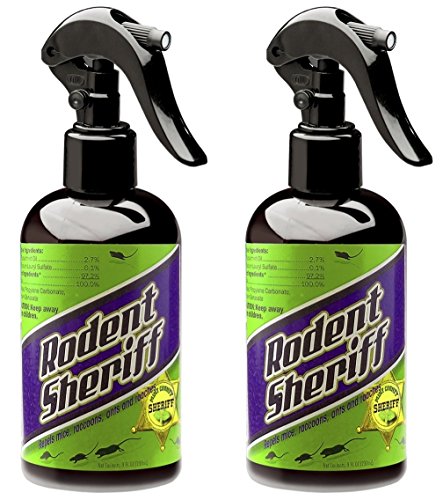
Rodent Sheriff uses a robust peppermint oil formula as a natural repellent for a variety of pests, including mice, raccoons, and ants. The product is marketed as safe for use around pets and children when used as directed, making it suitable for garden and home entry points. The peppermint scent acts as a barrier that pests tend to avoid, providing a practical option for homeowners seeking a non-toxic deterrent with quick odor cues that can help reduce raccoon incursions in treated zones.
BIO YOLO Rodent Repellent Spray
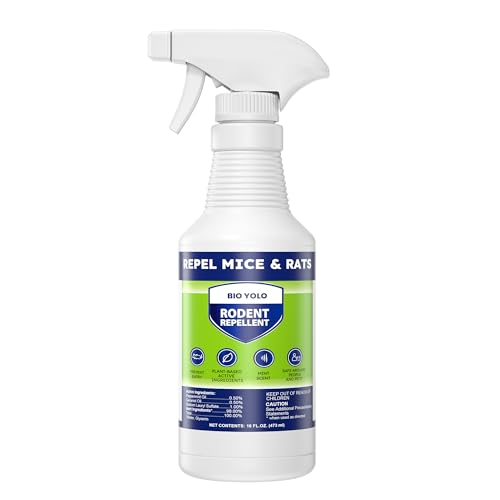
BIO YOLO emphasizes a natural peppermint-based repellent designed for indoor and outdoor use. The formula aims to provide long-lasting protection, potentially extending up to 90 days per application. The product highlights high-quality peppermint oil and a focus on efficacy without harsh chemicals, making it a practical option for homeowners wanting a longer-lasting deterrent that can be applied around yards, sheds, or vehicles to minimize raccoon activity.
VarmiPro Raccoon Repellent Spray Concentrate

VarmiPro offers a 32 oz concentrate designed for outdoor deterrence. The product emphasizes all-natural ingredients such as garlic oil, thyme oil, castor oil, and peppermint. The concentrate can be diluted for spray applications around gardens, entry points, and plantings, providing a scent and taste cue to discourage raccoons from feeding on or moving through treated areas. It is positioned as pet-safe when used as directed and suitable for use in yards and landscaping.
Buying Guide: Key Purchase Considerations
- Active ingredients: Peppermint and other essential oils create strong deterrent scents. Check for ingredients that are safe for pets and children when used as directed, especially in yards with play areas or gardens.
- Outdoor efficacy: Raccoons are opportunistic feeders; effective sprays should provide lasting deterrence outdoors, ideally outdoors-only formulations or sprays marked for exterior use.
- Application method: Ready-to-use sprays are convenient for quick protection, while concentrates offer cost savings and customizable dilution for larger spaces. Consider spray frequency and coverage area when choosing a product.
- Safety and compatibility: Look for products labeled as non-toxic or safe for ornamentals, edibles, and other plants. Ensure the product is non-irritating to skin and eyes during application and after drying.
- Coverage and durability: Some products claim 30–90 days of protection depending on weather and exposure. For trash areas and garden boundaries, longer-lasting formulas reduce the need for frequent reapplication.
- Indoor/outdoor use: If raccoon activity is near garages, sheds, or entry points, an indoor/outdoor versatile formula could provide broader protection without changing products.
- Environmental impact: Eco-friendly concentrates and plant-based blends minimize environmental impact while offering deterrence. Consider the balance between efficacy and ecological considerations in your area.
- Reapplication cues: Weather, rain, and irrigation can reduce effectiveness. Some products recommend reapplication after rain or cleaning to maintain a strong scent barrier.
- Multi-pest performance: If you face other pests as well, a broad-spectrum repellent may be advantageous. Review product claims to ensure they address raccoons, mice, and other common intruders.
Comparisons and Practical Tips
- Prep your area: Clear fallen fruit, unsecured trash, and pet food to reduce food sources that attract raccoons.
- Strategic placement: Apply sprays around the perimeter of your yard, along fence lines, near garbage cans, and at known entry points to maximize deterrence.
- Buffer zones: Create treated barriers at least 3–6 feet wide around gardens or bins to encourage raccoons to detour rather than push through treated areas.
- Combination approach: For persistent raccoon activity, combine repellents with physical barriers such as secure lids on trash cans and reinforced fencing to improve long-term results.
- Seasonal timing: Increase spray frequency during raccoon activity peaks (often spring and fall) and after significant weather events that may wash away scent cues.