Growing soybeans at home offers fresh edamame, versatile cooking options, and soil-building benefits from nitrogen fixation. The selected seeds below emphasize non-GMO, heirloom or survival garden varieties with strong germination, productive yields, and adaptable growth in typical American climates. Each option profiles a leading variety, its growth traits, and ideal planting guidance to help you decide which fits your garden goals.
| Product | Brand | Key Benefit | Germination Tip |
|---|---|---|---|
| Sow Right Seeds – Chiba Green Soybeans (1) | Sow Right Seeds | High-yield, suitable for edamame and dried beans; nitrogen-fixer | Germinates in 10–14 days at 65–75°F |
| Midori Giant Soybeans (1) | SURVIVAL GARDEN SEEDS | Compact, bushy plants with abundant pods | Germinates in 5–10 days at 70–90°F |
| Sow Right Seeds – Chiba Green (2) | Sow Right Seeds | Non-GMO heirloom with strong edamame pods | Similar 10–14 day window; full sun |
| KVITER 40 Soy Bean Midori Giant | KVITER | High-yield, 24–36 inch plants with nitrogen fixation | Germination commonly within 5–10 days |
| Survival Garden Seeds – Midori Giant (2 Packs) | SURVIVAL GARDEN SEEDS | Multiple-pack option for extended or shared harvests | Similar fast germination in favorable temps |
Sow Right Seeds – Chiba Green Soybean Seeds (1)

Chiba Green soybeans are a classic garden choice for edamame, with a robust growth habit and nitrogen-fixing roots that help improve soil fertility. The packet is substantial, typically containing about 40 seeds, and highlights the bean’s adaptability to heat and dry conditions. Gardeners can expect pods to develop within 65–75 days in the right conditions, with plants reaching 1–3 feet in height and spreading 12–16 inches. This variety is suitable for USDA zones 3–10 and can serve as both a fresh-edamame snack and a dried-bean harvest.
Planting guidance emphasizes sowing 1 inch deep and spacing 4–6 inches apart, preferably in full sun for best yields. The seeds’ edamame flavor remains popular, and the variety also doubles as a cover crop in some rotations due to its soil-improving properties. Harvest pods while green for fresh edamame or allow pods to dry for shelling later. This option is noted for its ease of growth and educational value for home gardeners exploring legume crops.
Midori Giant Soybean Seeds for Planting (1 Pack)
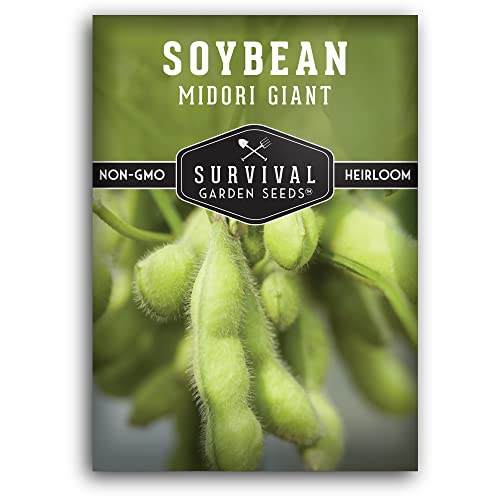
Midori Giant soybeans are bred for high protein content and robust, bushy growth. Plants typically reach 20–24 inches and produce abundant green pods with 2–3 seeds per pod. This non-GMO heirloom variety is well-suited for home gardens seeking a steady supply of edamame or the option to process into tofu, soy milk, or other soy-based products. The compact growth habit makes it a good fit for smaller plots or container gardens with adequate sun exposure.
Germination generally occurs within 5–10 days at optimal soil temperatures around 70–90°F, with maturity in roughly 80 days. For best results, plant in full sun and provide consistent moisture, especially during pod development. The seeds also store well when kept in a cool, dry location, enabling growers to extend their harvest across seasons if needed.
KVITER 40 Soy Bean Midori Giant Edamame Seeds

KVITER’s Midori Giant seeds offer a high-yield, nitrogen-fixing bush growth that reaches 24–36 inches, producing edamame pods with a crunchy, sweet flavor. These organic, non-GMO seeds are suited for diverse soils, thriving in USDA zones 3–9. Germination typically appears within 5–10 days at warm temperatures, and the harvest-friendly pods are known for their tenderness and protein-rich content. Gardeners can expect an abundant supply of edamame, with a focus on careful irrigation during pod fill and solid sun exposure.
As an heirloom-style selection, these seeds are well-regarded for kitchen versatility and storage potential. The plant’s sturdy structure supports reliable yields, but gardeners should monitor soil moisture and avoid overwatering to reduce disease risk. The variety is attractive for seasonal planting and for gardeners building a protein-forward crop rotation within a home garden.
Hale Habitat & Seed Conventional Soybean Seed (5 lbs)

The Hale Habitat & Seed option focuses on conventional soybean seed suitable for food plots and broader agricultural uses. A 5-pound bag can cover a larger planting area, with seed quality designed to produce reliable growth and a solid yield. This choice emphasizes practical crop production, with consistent germination and growth that align well with larger plots. The seed is priced for quantity and suitability in varied climates, making it a practical option for growers seeking scale in a home or small-farm setting.
Standard guidelines include planting in full sun, ample spacing, and moisture management. As a conventional seed, the emphasis is on dependable growth across typical growing seasons, with pods developing to provide edamame or dried beans depending on harvest timing. This option is suitable for gardeners prioritizing larger harvests and straightforward cultivation practices.
Midori Giant Soybean Seeds for Planting (2 Packs)

This two-pack option from Survival Garden Seeds doubles the planting material for expanded harvest potential. The Midori Giant variety remains a high-protein, non-GMO choice with a compact, bushy habit suitable for home gardens. Growers can expect a reliable yield of edamame pods and the possibility to freeze harvested pods for long-term storage. The two-pack format supports garden expansion, seed saving, or sharing with fellow gardeners while maintaining consistent growth characteristics and flavor.
Germination remains favorable in warm conditions, typically within 5–10 days, and plants reach about 20–24 inches tall with multiple pods per stem. As with other varieties, ensuring full sun exposure and steady moisture during pod fill will optimize pod development and overall yield potential.
Buying Guide: What to Consider When Choosing Soybean Seeds
- Seed type and goals: Non-GMO, heirloom, or conventional seeds each have distinct advantages. Choose based on whether you want edamame, dried beans, tofu, or a cover crop.
- Germination and vigor: Look for packets that specify a germination window and ideal soil temperatures. Faster germination helps establish a strong stand early in the growing season.
- Plant habit and space: Bushy, compact varieties suit small gardens, while taller or more sprawling types may require more room or trellising.
- Harvest timing: Days to maturity vary widely. Plan around your local climate and last frost dates to maximize yield before heat or cold extremes.
- Storage and longevity: Some packets include seed-saving guidance, enabling future harvests. Proper storage can extend viability for multiple seasons.
- Culinary use and flavor: Edamame pods are harvested green, but beans can be shelled and dried for different recipes. Flavor and texture vary by cultivar.
- Pollination and disease resistance: Soybeans are largely self-pollinating; however, disease resistance and soil health practices improve yields in challenging soils.
- Climate adaptability: Check zones and heat tolerance. Soybeans typically enjoy full sun and well-drained soil for consistent pod development.