Choosing the right soybean seeds for food plots can improve forage quality, protein content, and overall wildlife health. This guide highlights five selected options suited for American soils and habitat management. Each entry summarizes key traits, letting you compare germination, protein, and suitability for various plot conditions. The buying guide at the end provides practical tips to prioritize seed variety, soil preparation, and planting timing for optimal wildlife benefits.
| Product | Brand | Highlights |
|---|---|---|
| Hale Habitat & Seed Conventional Soybean Food Plot Seed, 5 lbs | Conventional soybean seed for food plots | |
| Biologic Game Changer Forage Soybeans | Biologic Store | High-protein forage, glyphosate tolerant |
| Summer Food Plot Seeds for Deer – Annual Mix | Hit List Seed Store | Blend of soybeans, sunflowers, cow peas, buckwheat |
| Outsidepride Soybean Seeds | High-protein, high-yield heirloom variety | |
| Outsidepride Dundale Spring Field Peas Seeds | High-protein legume for forage and soil health |
Hale Habitat & Seed Conventional Soybean Food Plot Seed

Conventional soybean seed tailored for food plots, designed to produce dependable forage for wildlife while adapting to common plot conditions.
Biologic Game Changer Forage Soybeans

Biologic Game Changer Forage Soybeans provide high-protein forage, ideal for antler, body weight, and fawn growth. Suitable for most soil types with indeterminate growth. Glyphosate tolerant and offering a robust disease package for resilient plot performance.
Summer Food Plot Seeds For Deer – Annual Mix

This annual mix blends soybeans with sunflowers, cow peas, and buckwheat to deliver high tonnage in summer. Suitable for both beginners and seasoned plotters, with quick germination and strong summer nutrition for deer.
Outsidepride Soybean Seeds
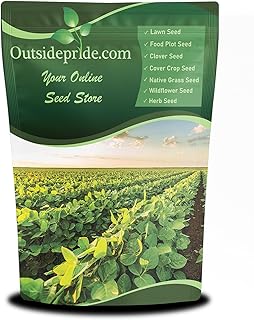
High-protein, high-yield heirloom soybean seeds suitable for forage and wildlife plots, with broad adaptability for various soils and use cases including forage and poultry feed.
Outsidepride Dundale Spring Field Peas

Spring field peas offer high protein content and are well-suited for forage and soil health objectives, providing forage across seasons and aiding soil improvement.
Buying Guide
- Seed protein and forage quality: Prioritize varieties with high protein and robust forage characteristics to support wildlife nutrition and body condition.
- Germination and growth habit: Indeterminate and high-yielding growth habits can extend forage availability and accommodate varying planting windows.
- Tolerance to herbicides: If you use herbicide programs, consider glyphosate tolerance to simplify weed control and protect stand longevity.
- Soil compatibility: Match seed variety with your soil type—well-drained soils generally favor soybeans for food plots, but some blends tolerate a wider range of conditions.
- Blends vs. single-species: Blends (soybeans with sunflowers, buckwheat, or cow peas) can diversify nutrition and attract a broader range of wildlife, though pure soybean plots may offer higher protein concentration per acre.
- Planting timing and climate: Plan for your regional seasons; soybeans often require warm soil temps for optimal germination, so align planting with local frost-free windows.
- Soil health and erosion control: Include cover crops or legumes like field peas to improve soil structure and reduce erosion where plot margins face runoff.
- Plot size and management: For larger plots, choose seed with consistent germination and disease resistance to minimize maintenance needs and maximize stand persistence.