A reliable soil test kit helps vegetable gardeners tailor amendments to boost yields and health. This article reviews five top-rated options, highlighting what each kit tests, how results are delivered, and who should consider them. Whether you’re starting a new bed or maintaining an established plot, these kits offer insights into pH, nutrients, and overall soil fertility to guide precise feeding strategies.
| Product | What It Tests |
|---|---|
| Rapitest Soil Test Kit | pH, Nitrogen, Phosphorus, Potash |
| MySoil Soil Test Kit | 13 plant-available nutrients + pH (lab-based) |
| NewTest Soil Test Kit | pH, Nitrogen, Phosphorus, Potassium (40 tests) |
| Premium Soil Test Kit | pH, Nitrogen, Phosphorus, Potassium (40 tests) |
| Pawfly 4 in 1 Kit | pH, Nitrogen, Phosphorus, Potassium |
The following sections summarize five compatible options for vegetable gardeners, focusing on usability, testing scope, and expected outcomes. Each entry provides practical context for choosing the right kit based on garden size, desired accuracy, and whether you prefer at-home quick checks or professional lab analyses.
Rapitest Soil Test Kit For Gardens

The Rapitest kit from Luster Leaf provides quick at-home results for soil pH, nitrogen, phosphorus, and potassium. It uses an easy-to-use capsule system with patented color comparators, designed for 20 tests (5 tests for each parameter). This makes it suitable for homeowners who test multiple garden spots across seasons and want a straightforward, economical approach to soil fertility. Its compact setup supports frequent checks without professional lab costs.
MySoil Soil Test Kit
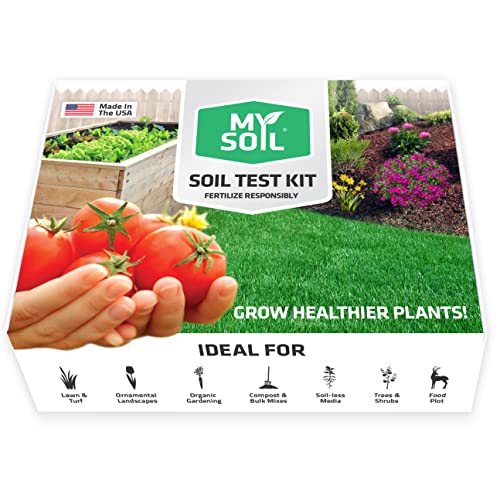
MySoil offers a professional-grade analysis with recommendations tailored to your soil and plant needs. It tests 13 plant-available nutrients plus pH, delivering results in 6-8 days via mail-in laboratory analysis. Unlike home meters or strips, this kit targets accurate nutrient profiling across various growing scenarios including lawns, vegetables, flowers, trees, and hydroponics. Ideal for gardeners who want precise guidance before applying amendments or fertilizers.
NewTest Soil Test Kit

NewTest emphasizes professional-grade accuracy with 40 tests across four parameters: pH, nitrogen, phosphorus, and potassium (10 tests per parameter). It provides detailed, easy-to-understand instructions and aims to help beginners test soil chemistry confidently at home while offering results that can guide precise fertilizer use. This kit positions itself as a bridge between DIY testing and professional analysis for gardeners seeking reliable data.
Premium Soil Test Kit

This 4-in-1 kit provides comprehensive testing for pH, nitrogen, phosphorus, and potassium with 40 total tests (10 per parameter). It includes all essential tools, a quick guide, and color cards to interpret results. The bundle design supports longer-term monitoring, making it suitable for gardeners who want a repeatable testing process across growing seasons and multiple beds. It’s a practical option for maintaining soil balance in vegetable gardens and landscapes alike.
Pawfly 4 in 1 Soil Test Kit

Pawfly’s 4-in-1 kit covers pH, nitrogen, phosphorus, and potassium with 40 tests across 20 testing strips and 40 tablets. It emphasizes fast and accurate results for garden beds, lawns, and green spaces, suitable for regular soil monitoring. The kit is designed for both indoor and outdoor use and aims to help gardeners fine-tune feeding schedules to support vigorous vegetable growth and lush lawns throughout the growing season.
Buying Guide: Key Purchase Considerations For Vegetable Gardeners
- Testing scope: Decide whether you want at-home quick checks (pH only or basic nutrient indicators) or a full nutrient profile (13+ plant-available nutrients) with recommendations. Lab-based analyses provide deeper accuracy but take longer to return results.
- Accuracy vs. convenience: Home test kits offer speed and simplicity but may be less precise than professional analyses. For large or highly varied soil, consider a professional option or a kit with clearly stated accuracy metrics.
- Number of tests: If you manage a large garden or multiple beds, choose a kit with more tests per parameter or the ability to reuse components across spots. Some kits include testing capsules or strips that support multiple tests.
- Ease of use: Look for clear instructions, color comparators, and minimal setup steps. Kits with visual color charts enable quick interpretation without specialized equipment.
- Longevity and storage: Ensure test reagents and strips are stored properly to maintain accuracy. Check shelf life and whether the kit includes protective storage cases.
- Future-proofing: If you plan to expand your garden or experiment with compost and hydroponics, choose a kit that covers a broad parameter set and includes guidance for different growing systems.
- Cost of ongoing testing: Compare per-test costs and whether reagents or strips are reusable. Professional mail-in tests may have higher upfront costs but fewer maintenance expenses over time.
- Result interpretation: Some kits provide actionable recommendations (fertilizer types and rates). If you prefer guided steps, prioritize kits with clear fertilization guidance based on readings.
- Harvest timing and plant needs: For vegetables with specific nutrient requirements, favor tests that quantify essential nutrients (N, P, K) and pH ranges optimal for common crops like leafy greens, tomatoes, and root vegetables.
- Environmental considerations: Consider kits that minimize waste and avoid over-fertilization by delivering precise, soil-specific guidance.
In summary, the best soil test kit for a vegetable garden blends testing breadth with practical guidance. Home kits are excellent for seasonal checks and trend tracking, while professional analyses suit gardeners prioritizing exact nutrient targets. By aligning kit capabilities with garden size, crop variety, and patience for data interpretation, you can optimize soil health and harvest quality across seasons.