When choosing a soil scoop, look for a tool that transfers soil neatly, digs with control, and resists wear through repeated use. This guide focuses on five reliable options that suit different gardening tasks—from potting indoor plants to Bonsai and seedling transplanting. The selections emphasize durability, ergonomic design, and spill prevention to help you pick the right scoop for your space and plants.
Quick comparison
| Product | Best For | Key Benefit | Limitations |
|---|---|---|---|
| Garden Weasel Potting Scoop | Heavy-duty outdoor beds | Large, high-sided scoop with serrated tip for clumps and roots | Heavier build may be less comfortable for small pots |
| Fiskars Soil Scoop (Indoor Use) | Indoor potting and transplantation | Flat bottom and deep sides reduce spills | Capacity is modest; not as rugged for heavy outdoor soil |
| Coitak Bonsai Soil Scoops (5 PCS) | Bonsai and small pot work | Small, colorful, easy-to-handle plastic scoops | Plastic construction may wear with heavy use |
| OSVJE 3 Pcs Bonsai Soil Scoops | Small plant tasks and bonsai | Compact, lightweight with portable handle | Limited size suitable for tiny pots |
| WORAMUK 5 Pcs Bonsai Soil Scoops | Set versatility for small plants | Varied colors and sizes for multi-tasking | Plastic builds may show wear over time |
Garden Weasel Potting Scoop – Oversized

The Garden Weasel Potting Scoop is designed for serious soil work. This oversized scoop features a serrated tip to break up clumps and cut through roots, making it ideal for clearing beds before planting. The large capacity reduces the need for frequent trips to refill, and the tall sides help minimize spillage when transferring soil.
Who it’s best for: Backyards, raised beds, and gardeners who handle larger volumes of soil or need to move soil quickly. Why selected: It combines a robust build with practical features that address common potting and bed-prep challenges.
Caution: The weight and size may be less convenient for precise work in small pots or tight spaces. Ensure you have comfortable grip and leverage for repetitive tasks.
Fiskars Soil Scoop, Indoor Potting Tool

The Fiskars Soil Scoop is tailored for indoor potting and transplanting in medium planters. It has a flat bottom to prevent tipping, letting the scoop sit upright on work surfaces. The deep sides hold a good amount of soil, reducing spills while transferring soil from bags into planters.
Who it’s best for: Indoor gardeners who repot plants on tables or benches and want a stable, spill-resistant tool. Why selected: The flat-bottom design and deep sides directly address common indoor potting challenges.
Caution: The capacity is relatively modest, so frequent refilling may be needed for larger pots or bulk soil work.
Coitak Bonsai Soil Scoops, 5 PCS

This five-pack from Coitak offers small, colorful plastic scoops designed for bonsai work and tiny pots. Their compact size makes them easy to maneuver in close quarters and for delicate transplanting tasks. The tapered edge helps lift soil without disturbing delicate roots.
Who it’s best for: Beginners and hobbyists who pot bonsai or seedlings in tight spaces. Why selected: The set provides multiple colors and sizes, enabling versatile use across several small pots.
Caution: Being plastic, the tools may wear quicker than heavier-duty metal scoops with rigorous outdoor use.
OSVJE 3 Pcs Bonsai Soil Scoops
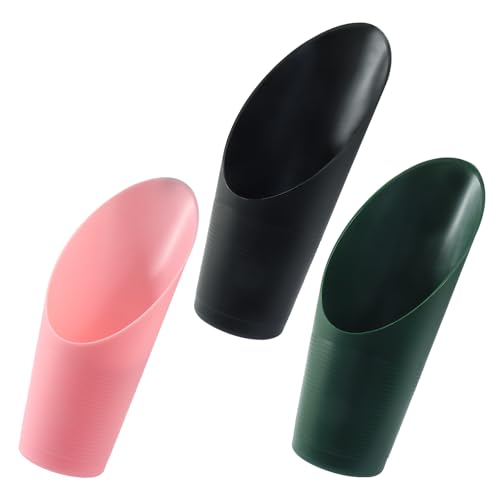
The OSVJE three-pack emphasizes compact, portable gardening tools for small tasks. These lightweight scoops are designed for bonsai work and other small plant care tasks. Their ergonomic handles and smooth surfaces aid easy cleaning and storage.
Who it’s best for: Bonsai enthusiasts and gardeners who frequently pot small plants in compact containers. Why selected: Three-color set with a stable, lightweight design supports precision work in tight spaces.
Caution: The smaller size limits soil capacity, which might slow operations for larger pots or heavier soils.
WORAMUK 5 PCS Bonsai Soil Scoops

This 5-piece WORAMUK set provides a flexible option for different small-plant tasks. The varied colors help distinguish tools used for planting, weeding, and transplanting. Their plastic construction makes them lightweight and easy to clean.
Who it’s best for: Gardeners who manage multiple tiny containers and want a cost-effective, colorful toolkit. Why selected: The assortment covers a spectrum of small-pot needs without needing to switch tools mid-task.
Caution: Plastic tools may show wear with heavy use; consider rotating tools to extend life for outdoor jobs.
Buying Guide: How To Choose The Right Soil Scoop
Key factors to consider when selecting a soil scoop:
- Task compatibility: For large outdoor beds, prefer oversized or heavy-duty scoops. For indoor pots, prefer flat-bottom designs that prevent tipping.
- Material and durability: Metal scoops last longer in rough soil; plastic models are lighter and affordable but may wear faster with heavy use.
- Capacity and balance: Larger scoops reduce trips but can be unwieldy in small spaces. Smaller scoops offer precision for seedling potting.
- Ergonomics: Look for comfortable handles, non-slip grips, and balanced weight to reduce hand fatigue during long sessions.
- Storage and care: Tools with easy-clean surfaces and hanging holes simplify storage and maintenance.
- Special features: Serrated tips help break clumps, while flat bottoms help keep soil contained on work surfaces.
Frequently Asked Questions
- What is the best soil scoop for Bonsai? Smaller scoops with a tapered edge are ideal for Bonsai work, where precision and gentle handling of roots are important. Sets that include compact options provide versatility.
- Should I buy a metal or plastic soil scoop? Metal scoops are more durable and ideal for outdoor use; plastic scoops are lighter and good for indoor potting and light tasks.
- Can a soil scoop prevent spills? Yes, scoops with deep sides and flat bottoms help minimize spills during soil transfer and pot filling.
- Are multi-pack sets worth it? Yes, for gardeners who handle many small pots or bonsai trees, a set ensures you have the right size at hand without swapping tools.
- How do I clean soil scoops? Rinse with water after use and allow to dry; plastic scoops clean easily, while metal scoops may require gentle drying to prevent rust.
- What features should I look for in an indoor potting scoop? A flat bottom, deep sides, and a comfortable handle are most helpful for indoor setups and table-top work.
Whether you are potting bonsai, transplanting seedlings, or refilling large planters, the right soil scoop can streamline your workflow. The five options above provide varied styles and capacities to accommodate different plant care routines, space constraints, and user preferences.