Choosing the right soil moisture meter helps you water plants efficiently, avoid overwatering, and keep root systems healthy. This guide highlights reliable meters suited for houseplants, with a quick snapshot of core features to compare at a glance. Each product below includes practical uses, reading styles, and durability notes to help you pick a tool that fits your indoor gardening routine.
| Product | Brand | Core Benefit | Readability | Notes |
|---|---|---|---|---|
| XLUX Soil Moisture Meter | XLUX | Direct moisture reading for pots and beds | Easy dial | Simple, no batteries |
| XLUX Long Probe Deep Use | XLUX | Bottom-of-pot moisture in deep pots | Clear dial | Long probe for larger containers |
| YAMRON 4-in-1 | YAMRON | Moisture, pH, temperature, sunlight | Large backlit LCD | Digital multitool |
| Dr.meter Soil Moisture Meter | Dr.meter | Soil moisture with color-coded readings | 10-scale display | No batteries required |
| Censinda Soil Moisture Meter | Censinda | Moisture level with no battery | Analog meter | Root-zone emphasis |
Below is a deeper look at five highly relevant options, with concise guidance on where each meter excels, what to expect in daily use, and how they handle common houseplant scenarios.
XLUX Soil Moisture Meter For Potted Plants
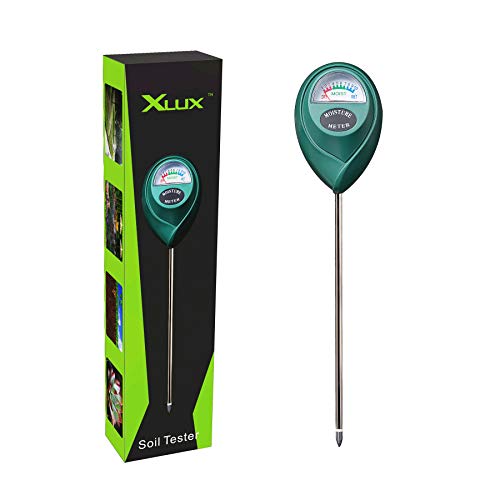
The XLUX Soil Moisture Meter provides a straightforward, surface-and-deep reading to determine whether soil is dry, moist, or wet. Its large dial displays ten scales across three zones, making it simple to interpret at a glance. The probe is designed for quick use, offering an immediate moisture reading once inserted. A key note is to avoid prolonged soil contact to protect the metal tip from corrosion. This meter is a solid choice for small to medium pots where fast, surface-level insight helps you decide when to water.
XLUX Long Probe Deep Use Meter

Designed for deeper pots, this XLUX model features a longer probe (about 5.5 inches) to reach bottom soil layers where roots grow. Like the standard version, it uses a large, easy-to-read dial with ten scales and three moisture zones. Immediate readings help you decide promptly whether to water, and the device cautions against leaving the probe in soil for extended periods to prevent corrosion. This version is ideal for larger planters, deep pots, and setups with thick potting mixes.
YAMRON 4-in-1 Soil Tester

The YAMRON tester combines four functions into one device: soil moisture, pH, temperature, and sunlight intensity. It features a backlit LCD display for easy reading in dim conditions and operates with AA batteries (not included). Readings from this meter help you calibrate watering, adjust soil chemistry, and optimize light exposure for more precise plant care. The latest probe technology enables quicker, more accurate readings, making it a strong option for gardeners who monitor multiple parameters in one session.
Dr.meter Soil Moisture Meter
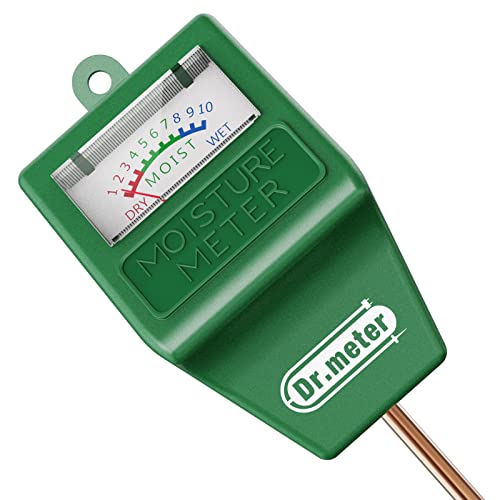
The Dr.meter meter emphasizes simplicity and portability. It uses a color-coded, ten-scale system (red to green to blue) to indicate soil moisture levels, helping you gauge when to water without guesswork. It runs without batteries, which adds convenience for indoor gardeners who want a reliable, low-maintenance tool. This model is well-suited to hobbyists and those who prefer a quick visual read on a compact device that travels easily between plant groups.
Censinda Soil Moisture Meter No Battery
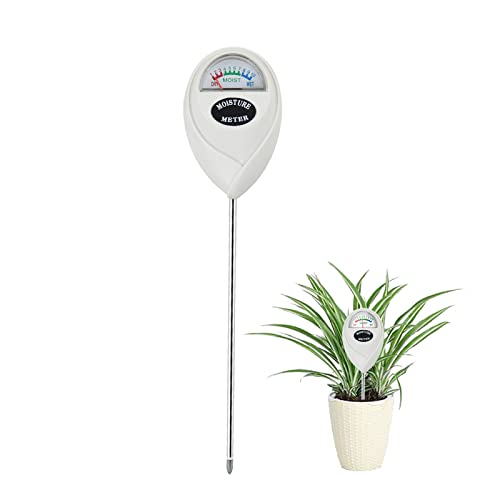
The Censinda meter focuses on root-zone moisture with a simple, battery-free analog display. This unit is designed to provide quick, direct feedback about whether the soil around plant roots needs water. It’s compact and easy to store, which makes it a practical choice for small apartments or single-plant setups. The no-battery approach aligns with low-maintenance preferences, though readings are purely analog and require some interpretation by the user.
Buying Guide: Key Purchase Considerations And Comparisons
When selecting a soil moisture meter for houseplants, consider the following factors to ensure you pick a tool that fits your gardening style and plant types:
- Measurement depth: Deep probe meters are best for larger pots or plants with deep-root systems; shallow probes are sufficient for most standard indoor pots.
- Reading format: Analog dials are quick and intuitive; digital meters with backlighting offer clearer readings in dim rooms and can display multiple parameters in one device.
- Durability and care: Look for probes designed to resist corrosion and models that discourage extended soil contact to preserve the tip’s longevity.
- Battery dependence: Some meters require batteries for advanced functions, others are battery-free—balance convenience with feature needs.
- Additional features: pH, temperature, and sunlight readings can be helpful for plants that require precise care, but they add complexity and cost. Decide if you need a single-purpose tool or a multitool tester.
- Plant variety and pot size: For a mixed collection, a meter with a longer probe and a clear dial helps assess different soil depths across containers.
- Maintenance: Regularly clean the probe to avoid soil residue affecting readings, and avoid leaving meters in soil beyond recommended times to prevent damage.
In practice, many users favor a primary moisture meter for routine watering with an optional multi-parameter device for plants that benefit from precise environmental data. For beginners, a simple, non-battery model offers reliable daily readings, while experienced gardeners might prefer digital or multi-function meters to fine-tune watering, soil acidity, and light exposure. Always calibrate your expectations to the specific plant species and potting mix, as soil composition affects how quickly moisture signals change.