Choosing the right soil is essential for thriving potted plants. The following picks are tailored for indoor gardening, balancing drainage, moisture retention, and nutrients. This guide highlights 5 potting mixes that support vibrant foliage, flowers, and herbs while reducing common indoor soil problems like gnats and overwatering.
| Product | Brand | Format | Key Benefit |
|---|---|---|---|
| Miracle-Gro Indoor Potting Mix | Miracle-Gro | 6 qt, 2-pack | Feeds up to 6 months; versatile for many houseplants |
| Miracle-Gro Potting Mix For Container Plants | Miracle-Gro | 8 qt, 2-pack | Promotes more blooms and bigger plants |
| Miracle-Gro Houseplant Potting Mix | Miracle-Gro | 4 qt | Less prone to gnats; optimized for indoor greens |
| Back to the Roots Organic Indoor Potting Mix | Back to the Roots | 6 qt | Organic, peat-free; moisture retention with root-boosting mycorrhizae |
| Rosy Soil Indoor Potting Soil | Rosy Soil | 4 qt | Biochar-enriched; promotes robust root systems |
Miracle-Gro Indoor Potting Mix, 2-Pack
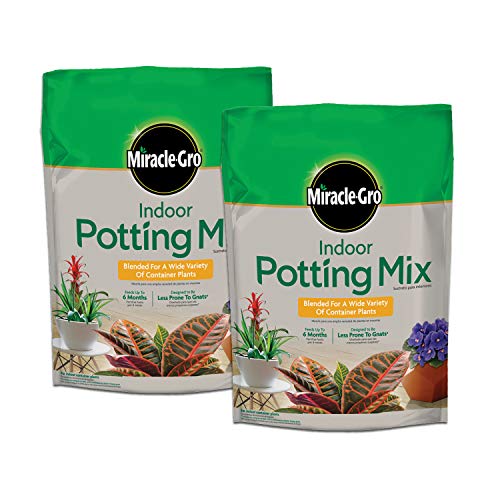
Miracle-Gro Indoor Potting Mix is blended for a wide variety of indoor container plants. This two-bag bundle fills multiple 6-inch containers with a soil that feeds plants for up to six months. The mix is designed to support climbers, foliage, flowering, and tropical houseplants, making it a versatile option for many indoor setups. Use about one-third of the potting mix to start a container, then add more as you place your plant, ensuring roots have room to spread.
Miracle-Gro Potting Mix For Container Plants

This Miracle-Gro Potting Mix is formulated to feed container plants for up to six months, boosting blooms and overall growth. The bundle includes two 8-quart bags, suitable for two 8-inch containers each. The soil encourages larger, more vibrant plants than unfed varieties, making it a solid choice for annuals, perennials, vegetables, and flowering shrubs in pots.
Miracle-Gro Houseplant Potting Mix

Designed for indoor gardening, Miracle-Gro Houseplant Potting Mix provides essential elements for thriving houseplants. It’s formulated to reduce gnats and supports popular varieties like pothos, spider plants, monstera, philodendron, and ivy. The blend includes perlite and sphagnum peat to balance air and moisture, helping roots breathe while maintaining sufficient moisture levels between waterings.
Back to the Roots 100% Organic Indoor Potting Mix

This 100% organic indoor potting mix emphasizes moisture retention with yucca extract and root-boosting mycorrhizae. It’s peat-free, aligning with greener gardening practices while supporting healthy root development and nutrient uptake. The mix is suitable for a wide range of indoor plants and aims to minimize environmental impact compared to traditional peat-based soils.
Rosy Soil Indoor Potting Soil

Rosy Soil Indoor Potting Soil uses biochar and pine bark fines to support robust root systems and balanced moisture retention. The formula fosters a living soil environment with beneficial microorganisms, making it suitable for foliage plants, flowering varieties, herbs, ferns, and tropicals. The peat-free composition aligns with eco-conscious gardening and helps reduce issues like wilting caused by poor moisture control.
Buying Guide
Key considerations when selecting soil for potted plants:
- Drainage vs. moisture retention: For most houseplants, a light, well-draining mix with some organic matter prevents root rot while keeping roots hydrated.
- Nutrient longevity: Some mixes feed plants for several months; others rely on subsequent fertilization. Choose based on plant type and growth stage.
- Gnats and cleanliness: Indoor mixes with perlite or sphagnum peat can influence gnats. If gnats are a concern, look for blends marketed as gnats-resistant or formulated for indoor use.
- peat-free vs. peat-based: Peat-free blends are more sustainable and often include coco coir or biochar, supporting environmental goals and moisture management.
- Plant type compatibility: Cacti, succulents, tropicals, and orchids have different soil needs. A versatile mix may work for many common houseplants, but specialized blends can improve performance for specific species.
- Root health and microorganisms: Some organic mixes incorporate mycorrhizae or biochar to boost root growth and nutrient uptake.
- Container size and root ball: Lightly fill containers to leave space for watering and root expansion; avoid compacted soil, which impedes drainage.