Growing vegetables indoors requires nutrient-rich and well-draining soil to ensure healthy roots and abundant harvests. Choosing the best soil for indoor vegetable gardens supports plant growth, retains moisture, and provides lasting nutrition. Below is a concise comparison of top organic potting soils designed for container gardening, focusing on vegetable cultivation.
| Product | Brand | Bag Size | Special Features |
|---|---|---|---|
| Burpee Premium Organic Potting Mix | Burpee | 9 Quarts | Organic, coconut coir moisture retention, slow-release fertilizer |
| Miracle-Gro Potting Mix (2-Pack) | Miracle-Gro | 2 x 8 Quarts | Feeds up to 6 months, promotes bigger plants |
| Wakefield Premium Biochar Blend | Wakefield Biochar | 2 Quarts | With humic acid & carbon boost, organic, enhances root and nutrient uptake |
| Organic Plant Magic Compressed Potting Soil | Organic Plant Magic | Expandable to 3 Gallons | Compressed granules expand 4x, rich in minerals and nutrients |
| Espoma Organic Potting Soil Mix | Espoma | 4 Quarts | Contains humus, perlite, mycorrhizae, enriched with organic meals |
Burpee 9 Quarts Premium Organic Potting Natural Soil Mix

Burpee’s Premium Organic Potting Mix is a blend designed to promote strong seed and root growth for vegetables, herbs, and flowers. It’s OMRI listed for organic use, making it ideal for those seeking natural gardening solutions.
Key features include a mix of plant food and sustainable coconut coir, which helps in moisture retention without overwatering. The slow-release fertilizer feeds plants for up to 3 months, perfect for container and raised bed gardening indoors or outdoors. Its natural ingredients foster a healthy ecosystem for roots and enhance growth.
Miracle-Gro Potting Mix for Container Plants & Vegetables (8 qt., 2-Pack)

This Miracle-Gro Potting Mix is engineered to feed container plants for up to 6 months, supporting faster and larger growth than unfed plants. The bundle provides two 8-quart bags, sufficient for multiple containers or larger indoor vegetable gardens.
Ideal for a variety of plants including vegetables, flowers, perennials, and shrubs, this potting soil ensures consistent nutrition. Its formula encourages more blooms, healthier foliage, and bountiful harvests, making it a versatile option for gardeners looking to maximize yield indoors.
Wakefield Premium Biochar Blend Organic Potting Soil

Wakefield’s Biochar Blend combines advanced CarbonBoost technology with humic acid to deliver superior nutrient absorption and root development for indoor vegetables and tomatoes. The rich organic formula retains water efficiently while enhancing soil fertility naturally.
This eco-friendly soil mix contains no synthetic additives, making it fully organic for sustainable gardening. It supports vigorous growth and abundant harvests in raised beds or containers. This blend is especially suited for gardeners seeking professional-grade soil with cutting-edge organic technology.
Organic Plant Magic Compressed Organic Potting Soil for Garden & Vegetables

This compressed organic potting soil offers a compact solution that expands up to four times its size when mixed with water, creating up to 3 gallons of nutrient-dense soil. Packed with over 55 trace minerals and essential nutrients, it supports fast seed germination and robust plant growth.
Its lightweight, resealable packaging makes it easy to store and transport. This living soil mix retains moisture three times longer than traditional soils and facilitates optimal air and nutrient flow to roots, ideal for seedlings, transplants, raised beds, and containers indoors or outdoors.
Espoma Organic Potting Soil Mix for Indoor & Outdoor Vegetables
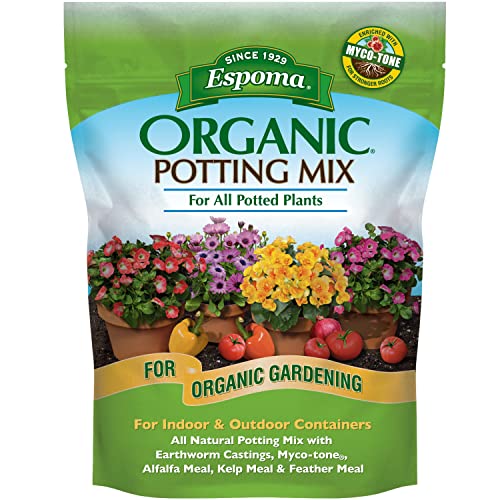
Espoma’s Organic Potting Soil is crafted from a rich blend of sphagnum peat moss, humus, and perlite, enriched with natural additives like earthworm castings, alfalfa meal, and kelp meal. This nutrient-rich composition nurtures vegetable, herb, and flower container gardens both indoors and outdoors.
Incorporating Espoma’s proprietary Myco-Tone blend of endo and ecto mycorrhizae, this organic mix improves root growth and nutrient uptake. Ideal for gardeners focused on organic practices, it stimulates strong plant development and enhances soil biology effectively.
Buying Guide for Choosing the Best Soil for Indoor Vegetable Gardens
Selecting the right soil is vital for indoor vegetable gardening success. Consider the following factors to make an informed selection:
1. Nutrient Content and Fertilization
- Slow-Release Fertilizer: Soils with long-lasting nutrients (3-6 months) minimize the frequency of fertilizing, supporting sustained vegetable growth.
- Organic Amendments: Look for natural ingredients such as worm castings, kelp, alfalfa, or compost that enrich the soil and improve plant health organically.
2. Moisture Retention and Drainage
- Moisture Holding Materials: Ingredients like coconut coir and peat moss retain the right amount of water, preventing drying without waterlogging roots.
- Good Drainage: Components such as perlite or sand improve aeration and prevent soil compaction, critical for indoor containers.
3. Soil Texture and Composition
- Lightweight and Fluffy: Soils that are light and easy to handle allow roots to penetrate easily and access oxygen.
- Expandable Compressed Soil: Some potting soils come compressed for easy storage and expand significantly when hydrated, providing convenience.
4. Organic and Environmental Considerations
- Certified Organic Mixes: For those avoiding synthetic chemicals, OMRI-listed or fully organic mixes ensure safe, eco-friendly planting.
- Sustainable Ingredients: Look for sustainable resources like coconut coir that reduce environmental impact.
5. Suitability for Container Gardening
- Ensure the soil is designed for container use or raised beds, promoting healthy root systems and reducing the risk of disease in confined environments.
- Soils that feed plants instantly and continue feeding over time save effort in indoor gardening.
6. Additional Enhancements
- Mycorrhizal Fungi: Some soils contain mycorrhizae that form beneficial symbiotic relationships with roots, improving nutrient uptake.
- Biochar and Humic Acid: Advanced blends with biochar help retain nutrients and water longer, enhancing plant resilience.