Growing carrots in raised beds requires a soil mix that drains well, stays loose, and feeds roots without compacting. The right raised bed mix helps carrots develop straight, tender taproots and improves germination. Below are five well-regarded soil products designed to optimize carrot yields and flavor in raised garden beds, with feature highlights and practical usage notes for American gardeners.
Summary of chosen products
| Product | Brand | Type | Key Benefit |
|---|---|---|---|
| Espoma Organic Raised Bed Mix | Espoma | Organic raised bed soil | Mycorrhizae and worm castings for robust root growth |
| Coast of Maine Castine Blend | Coast of Maine | Organic raised bed soil | Premium ingredients for moisture retention and drainage |
| Back to the Roots 100% Organic Raised Bed Soil | Back to the Roots | Peat-free raised bed soil | Moisture control with yucca extract and limestone |
| Verdana Coco Coir Potting Soil Brick | Verdana | Coconut coir based | Peat moss alternative with excellent aeration |
| Gardenera Premium Organic Potting Soil | Gardenera | Organic potting soil | Promotes rapid root development with perlite and coco coir |
Espoma Organic Raised Bed Mix

Espoma’s Raised Bed Mix is designed specifically for vegetables and herbs grown in modern raised beds. The mix blends organic soil with earthworm castings, alfalfa meal, kelp meal, and feather meal, creating a nutrient-rich medium that supports initial germination and sustained root growth. It includes MYCO-TONE, a proprietary mix of endo and ecto mycorrhizae that helps carrot roots explore soil more efficiently. For carrots, this translates to quicker germination and stronger, longer taproots. The bag is sized for typical home beds, making it a practical option for standard backyard plots.
In raised-bed applications, the soil texture matters as much as nutrition. This mix tends toward a looser, well-drained structure that minimizes soil compaction—crucial for carrot emergence. Gardeners report visible improvements in seedling vigor and consistency in root development when using this product as a base soil, especially in beds that face variable moisture. The blend’s organic components also contribute to soil biology that supports ongoing plant health beyond the first season.
Consider pairing Espoma Raised Bed Mix with a light topdress of compost in early spring if your bed has low organic matter. It is well-suited to carrots sown directly or transplanted after germination. Be mindful of your watering routine during initial weeks to prevent crust formation on the surface, which can impede seedling emergence.
Michigan Peat Garden Magic Potting Soil

Garden Magic potting soil is a versatile blend marketed for lawns, gardens, and raised beds. It includes peat, reed sedge peat, perlite, and sand to balance moisture retention with drainage. For raised-bed carrot plantings, the key is consistent moisture without waterlogging, and this mix aims to provide that balance. The perlite improves aeration, which supports root expansion, while the combination of peat components helps retain enough water between watering intervals. This type of soil mix can be particularly effective in beds with variable sun exposure where rapid drainage is repeatedly needed after irrigation.
Farmers and home gardeners often use Garden Magic as a general-purpose base for raised beds prior to sowing carrots. The product’s moisture management features help reduce the risk of crusting after rain or heavy irrigation. When using peat-influenced blends, monitor soil pH and salt content, especially in areas with softened water or the use of high-nutrient fertilizers. Carrot roots benefit from an even, crumbly texture that remains slightly moist at rooting depth.
For best results, combine with compost or a light topdressing of aged manure to provide additional micronutrients. Avoid heavy clay amendments in the same bed to minimize compaction. Plant carrots once the bed reliably drains after watering to ensure early germination and straight roots. This product’s flexibility makes it a good fit for mixed beds containing herbs and leafy greens alongside root crops.
Coast of Maine Castine Blend Soil
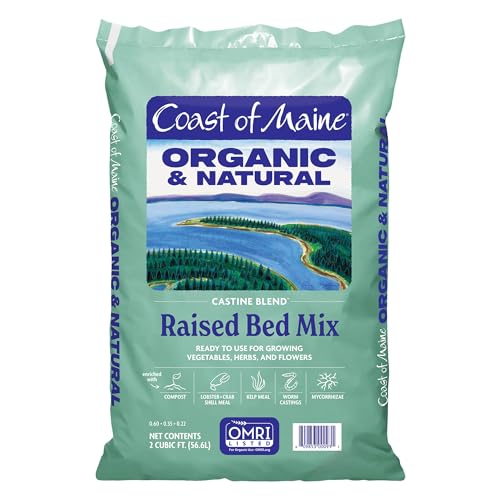
Castine Blend is a premium garden soil designed to deliver robust growth in raised beds and containers. Its formulation includes worm castings, mycorrhizae, biochar, green sand, kelp meal, and crustacean-derived ingredients that enrich soil biology and structure. For carrots, the emphasis on drainage and aeration helps prevent root rot and encourages uniform root elongation. The biochar component can improve soil texture over time by increasing water-holding capacity without sacrificing drainage, a key advantage for warm, sandy, or elevated beds.
This mix is ready to use without mixing, which simplifies planning and reduces the risk of improper layering. Gardeners report improved germination and healthier foliage in mixed plantings such as carrots with leafy greens. Use in beds that experience seasonal moisture fluctuations and where organic matter is intermittently replenished. The blend supports steady nutrient availability while maintaining a loose soil structure ideal for carrot taproots.
When applying Castine Blend, start with a light irrigation discipline to prevent the surface from crusting during germination. After seedlings emerge, adjust watering to keep the top 2–3 inches of soil evenly moist. This approach helps carrots develop straight, smooth roots and minimizes forked growth caused by uneven moisture.
Back to the Roots 100% Organic Raised Bed Soil

This peat-free, 100% organic raised bed soil is designed specifically for raised bed gardens. It uses upcycled plant matter and wood fines sourced in the USA, aligning with sustainable gardening practices. The peat-free composition helps protect soil carbon stores while delivering a nutrient-rich medium for carrots. The blend also includes yucca extract for moisture retention, dolomitic limestone for pH balance, and gypsum to improve water absorption, which supports consistent soil moisture levels essential for carrot germination and root development.
Carrot-focused beds benefit from this product’s balanced chemistry and moisture management. When starting new raised beds, particularly in regions with heavy rainfall or sandy soils, this mix can minimize drainage-related stress on young roots. For best results, test soil pH and consider periodic light additions of calcium-rich amendments if your bed’s pH drifts beyond the optimal carrot range (roughly pH 6.0–7.0). This product is suitable for organic and pesticide-free cultivation, making it a practical choice for family plots and community gardens.
Gardenera Premium Organic Potting Soil

Gardenera’s premium organic potting soil is a compact 5-quart bag that blends coco coir, Canadian peat moss, perlite, and worm castings. The combination aims to promote rapid root development with extra perlite, while the low-salt coconut coir supports moisture retention without becoming waterlogged. This product is particularly appealing for raised-bed carrot cultivation when gardeners want a lighter, highly aerated mix that still provides essential nutrients. The ready-to-use mix is user-friendly for quick planting scenarios and seed starting in containers or shallow raised beds.
For carrot growing, Gardenera’s emphasis on moisture drainage and root-friendly texture is a benefit in beds with inconsistent irrigation. The coconut coir component is a sustainable alternative to peat moss and helps maintain soil porosity. As with any organic mix, monitor soil moisture carefully during germination and avoid overwatering in the early stages. Consider supplementing with a natural fertilizer if your bed’s organic matter is limited or if you plan on a longer growing season for larger carrot varieties.
Buying Guide
Key factors to consider when choosing soil for carrots in raised beds:
- Texture and drainage: Carrots thrive in loose, well-drained soil. Look for blends that combine organic matter with aerating components like perlite or coco coir to prevent compaction.
- Moisture management: Raised beds can dry quickly. Choose soils with moisture retention features (mycorrhizae, biochar, or coir) and avoid mixes that retain water too long, which can cause rot.
- Nutrition balance: Carrots need consistent, moderate nutrition. Organic blends with worm castings, kelp meal, and mycorrhizae support healthy root development without excessive nitrogen that can lead to forked roots.
- pH considerations: Carrots prefer near-neutral soil (roughly pH 6.0–7.0). Some blends include minerals like dolomitic limestone to help maintain pH stability.
- Peat vs. peat-free: Peat-based soils retain moisture well but are less sustainable. Peat-free options (coco coir, biochar, compost blends) are increasingly common and effective for carrot beds.
- Readiness and convenience: Ready-to-use raised bed soils save time and reduce the risk of improper mixing. If you mix your own, ensure proportions support crumbly, non-crusting soil that roots can penetrate.
- Environmental impact: Consider peat-free options and locally sourced ingredients. Organic blends with worm castings and mycorrhizae can contribute to long-term soil health in raised beds.
Practical tips for using raised bed soils for carrots:
- Before planting, loosen the final bed surface to a depth of 8–12 inches to encourage straight roots.
- Sow carrot seeds directly into the prepared mix, keeping rows evenly spaced. Lightly mulch after germination to maintain surface moisture and suppress weeds.
- Water consistently during germination. Avoid heavy irrigation that causes crusting; use a gentle, deep water approach to encourage deep rooting.
- Monitor soil pH and nutrient balance over the season. A light topdress of organic compost can boost micronutrient availability without promoting excessive top growth.
- Consider rotating carrot crops with legumes or leafy greens in subsequent seasons to maintain soil health and reduce pest pressure.