Carnivorous plants require a specialized soil mix that mimics their native boggy habitats—well-draining yet moisture-retentive, with low nutrients. The following selections are among the most popular ready-to-use options on Amazon, designed to support Venus Flytraps, sundews, pitcher plants, and other carnivorous varieties. This guide highlights key features, benefits, and how to choose the right mix for your collection.
Summary of selected products:
- Perfect Plants Carnivorous Plant Soil — 4 Qts Organic Premium Mix
- Kapecute Carnivorous Plant Soil Mix — 2 Qts with Perlite and Sphagnum
- Carnivorous Plant Potting Soil Mix (Soil Sunrise) — 2 Qts
- Organic Earth Carnivorous Plant Soil Mix — 1 Qt
- Duspro Carnivorous Plant Soil Mix — 1.5 Qt
Perfect Plants Carnivorous Plant Soil — 4 Qts
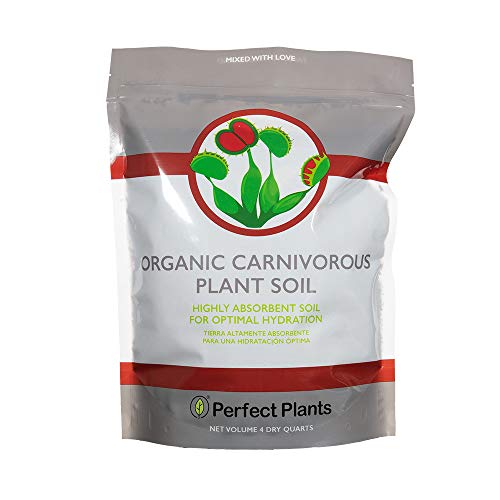
Brand: PERFECT PLANTS
Key features: Organic blend designed for long-term enrichment and moisture control, ideal acidity for living bog-like conditions, specifically formulated for Venus Fly Traps, pitcher plants, sundews, and bladderworts. This mix aims to provide reliable water management while staying suitable for all carnivorous plant types.
Kapecute Carnivorous Plant Soil Mix — 2 Qts

Brand: Kapecute
Key features: 2-quart mix including crushed peat moss and perlite, 100% natural with no additives, designed to retain moisture while improving drainage and aeration. Handpicked sphagnum moss debris and perlite components emphasize cleanliness and suitability for carnivorous species.
Carnivorous Plant Potting Soil Mix (Soil Sunrise) — 2 Quarts

Brand: Soil Sunrise
Key features: Hand-blended, 100% all-natural, quick drainage, good soil aeration, and nutrient retention. Designed for repotting Venus Flytraps, sundews, butterworts, cobra lilies, and pitcher plants, suitable for indoor or outdoor container gardening.
Organic Earth Carnivorous Plant Soil Mix — 1 Qt

Brand: Organic Earth
Key features: Canadian sphagnum moss for moisture, premium organic perlite for aeration, a 1:1 balance intended for hydration and drainage. Includes guidance for planting and repotting, with a reminder to use suitable water (distilled or rainwater) for Venus flytraps.
DUSPRO Carnivorous Plant Soil Mix — 1.5 Qt
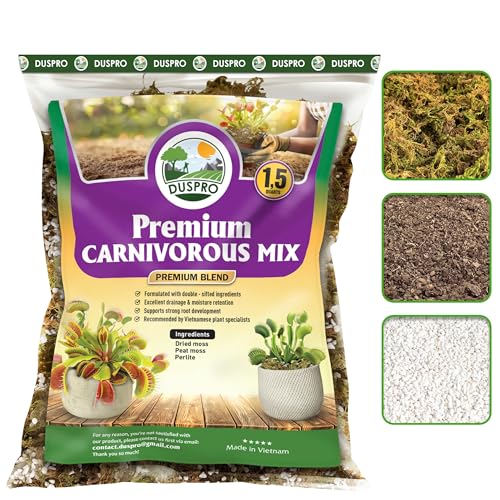
Brand: Duspro
Key features: Premium carnivorous mix featuring forest moss, peat moss, and perlite with moisture retention and drainage. The blend aims to avoid added nutrients, encouraging proper growth without over-fertilization, and recommends using rainwater for carnivorous species.
Gardenera Professional Carnivorous Plant Soil — 1 Quart

Brand: Gardenera
Key features: Premixed, ready-to-use soil blend including peat moss, coco coir, and perlite, designed for Venus Flytraps, sundews, pitcher plants, and butterworts. Emphasizes improved drainage and robust root aeration to maximize growth across carnivorous varieties.
Buying Guide: Key Purchase Considerations
Selecting the right soil for carnivorous plants depends on several factors. Here are essential considerations and how to evaluate options to align with your collection’s needs.
- Moisture management: Carnivorous plants thrive in consistently moist soils that do not become waterlogged. Look for mixes that balance retention and drainage, often achieved with sphagnum moss, peat, perlite, or coco coir blends.
- Nutrient level: Carnivorous plants are adapted to nutrient-poor environments. Avoid mixes with slow-releasing fertilizers or high nutrient content. Many options emphasize low-nutrient, organic components.
- pH suitability: Slightly acidic to neutral conditions support carnivorous species. Some products specify ideal acidity; ensure the mix aligns with your plant’s preference (e.g., Venus Flytraps often prefer acidic to near-neutral conditions).
- Drainage and aeration: Adequate pore space prevents root rot and supports gas exchange. Perlite, perlite-and-peat blends, or sphagnum-based mixes typically improve aeration.
- Water type compatibility: Use rainwater or distilled water to prevent mineral buildup. Some product guides explicitly note compatibility with distilled or rainwater to protect sensitive roots.
- Plant type compatibility: While most mixes target a broad range, some blends are optimized for specific groups (e.g., Venus Flytraps vs. sundews). Verify that the product suits your species lineup.
- Packaging and convenience: Pre-mixed bags are convenient, but consider quantity and packaging size to fit your repotting schedule. Handpicked moss and debris can indicate higher cleanliness and soil life balance.
- Care instructions: Some mixes come with planting or repotting guidance. Following these instructions can improve establishment and growth.
How to choose: For beginners, a balanced 1:1 mix of sphagnum moss and perlite can provide reliable moisture retention with good drainage, suitable for many species. If you have a larger collection, consider a mix that uses peat or moss-based components with consistent moisture control. For terrariums, ensure the soil remains moist but not waterlogged, and pair with appropriate watering practices to prevent mineral buildup.
Maintenance tips: Regularly monitor soil moisture and avoid letting the medium dry out completely. Use rainwater or distilled water when possible, and repot every 1–2 years to refresh the root zone and prevent stagnation. If the plant shows signs of stress—wilting, discoloration, or slowed growth—reassess moisture, light, and nutrient exposure, and consider replacing or supplementing with a fresh soil mix designed for carnivorous plants.