Creating a thriving aquatic garden requires a soil substrate that supports root development, nutrient release, and clear water. The right aquatic soil can help lotus, water lilies, and pond plants establish a healthy foundation while minimizing cloudiness and helping beneficial bacteria flourish. Below, we review five reliable options across price points and use cases to help you decide which substrate best fits your pond or aquarium. Each product listing includes core features, potential benefits, and practical considerations for long-term planting success.
| Product | Brand | Typical Use | Notes |
|---|---|---|---|
| Doter Aquatic Plant Soil | Doter | Aquariums, Water Gardens, Ponds | Balanced, nutrient-rich, minimal clouding |
| The Pond Guy Planting Soil | The Pond Guy | Decorative Backyard Water Gardens, Ponds | Loamy mix; low clouding; stable |
| LANDEN Aqua Soil Substrate | LANDEN | Freshwater Aquariums, Planted Tanks | Natural, porous; supports beneficial bacteria |
| Chalily Aquatic Gold Soil | Chalily | Water Lilies, Lotuses, Pond Plants | Nutritious blend; clear-water claim |
| Aquatic Soil for Pond Plants 5.5LBS | WAURCSY | Small Ponds, Water Plants | Balanced nutrients; strong stability |
When selecting soil for aquatic plants, consider pH stability, nutrient release rate, water clarity, and how the substrate interacts with pond fish and beneficial bacteria. The items below span substrates designed for aquariums and outdoor ponds, with several offering cloud-free properties and enhanced nutrient profiles for lilies, lotuses, and bog plants.
Doter Aquatic Plant Soil For Lotus & Pond Plants

Product overview — Doter’s Aquatic Plant Soil is crafted from 100% natural ingredients to support optimal pH balance and mineral composition for a range of aquatic plants. It is designed for both aquarium soil setups and pond soil environments, aiming to provide chemistry-friendly growth without additives. The substrate is described as nutrient-rich with slow-release minerals that support robust root development and brighter foliage in water lilies and lotuses. The compact granular structure helps to prevent cloudiness in tanks while maintaining stability outdoors.
Key features — 100% natural ingredients; balanced pH and minerals; slow-release nutrients to support root growth and flowering; versatile for aquariums, water gardens, and pond beds; designed to minimize turbidity. The product aims to reduce the need for frequent substrate changes, especially in ponds where clouding can disrupt fish and plant aesthetics.
Practical considerations — Suitable for lotus ponds and hydroponic setups that require a stable, nutrient-rich base without introducing excessive cloudiness. For best results, consider combining with a clean top layer or planting mats to further minimize sediment disturbance when digging or replanting. If you maintain higher fish loads, monitor ammonia and nitrite levels during initial stabilization, as with most planted substrates.
The Pond Guy Planting Soil For Decorative Backyard Water Gardens

Product overview — The Pond Guy offers a ready-to-use aquatic planting soil designed for decorative water gardens, lilies, lotus, and bog plants. The loamy composition is formulated to avoid clouding pond water, a common concern with soil applications in ponds. It provides a balanced nutrient profile and an environment that supports beneficial microbial activity while ensuring the soil traps oxygen and nutrients for plant roots.
Key features — No clouding, floating, or clumping; free of compost and peat moss; balanced nutrients; loamy mixture that sustains plant growth and soil structure. The product emphasizes stable planting so that fountain features and water movement do not disturb root systems, aiding long-term vitality of lilies and lotus.
Practical considerations — Ideal for ponds where water clarity is a priority. The soil’s texture supports root anchoring without dispersing into the water column. For larger ponds or outdoor installations, it pairs well with pond liners and planting tubs to prevent soil transport and maintain water quality over seasons.
LANDEN Aqua Soil Substrate 5L
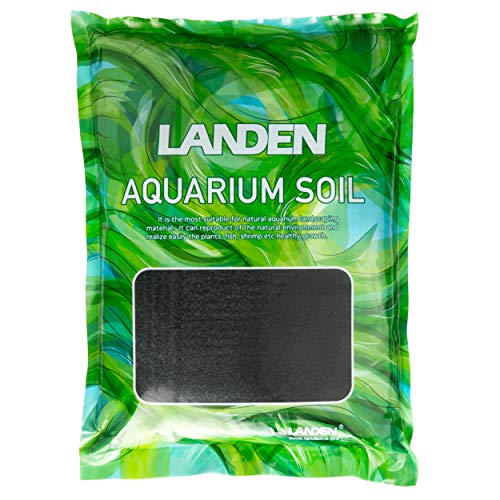
Product overview — LANDEN’s Aqua Soil Substrate is a natural planted aquarium substrate, crafted to support healthy root systems for a variety of aquatic plants and even shrimp. It emphasizes a porous composition that fosters beneficial bacteria, contributing to a balanced tank ecosystem and a more stable pH environment for most freshwater aquatic plants.
Key features — Made from natural materials; porous structure to host bacteria; slow-release minerals promote plant growth; mildly acidic water conditions preferred by many aquatic plants; helps sustain a stable ammonia balance with partial water changes in early weeks.
Practical considerations — While designed to support planted aquariums, this substrate is versatile enough for shallow ponds or container water features. Expect gradual nutrient release and ongoing beneficial bacteria activity, which can reduce frequent maintenance for planted displays. If you maintain fish populations, monitor biofilter performance and adjust feeding to prevent excess nutrient buildup.
Chalily Aquatic Gold Soil For Water Lilies & Lotus
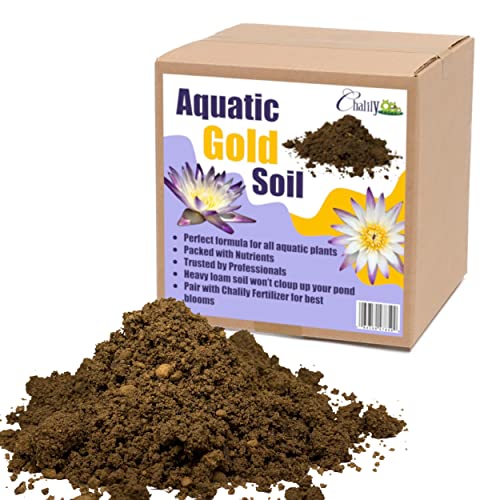
Product overview — Chalily’s Aquatic Gold Soil is marketed as a premium blend suited for all aquatic plants, including water lilies and lotuses. The branding emphasizes a nutrient-dense mix designed to support rapid establishment and sustained growth, with a claim of cloud-free pond water post-planting.
Key features — Nutrient-packed foundation; claims of water clarity maintenance; designed for broad application across various aquatic plants; marketed to support both ornamental and flowering species in ponds and shallow waters.
Practical considerations — While nutrient richness can accelerate establishment, monitor for surface sediment and potential cloudiness after initial planting. The absence of peat or compost claims suggests a focus on mineral balance; if your pond hosts a dense fish population, consider layering with a cap of inert substrate to limit resuspension during feeding or turnover.
WAURCSY Aquatic Soil For Pond Plants

Product overview — WAURCSY’s aquatic soil for pond plants highlights a balanced nutrient mix designed to support vibrant growth for water lilies, lotuses, and other pond vegetation. It emphasizes stability and water retention benefits to help maintain moisture around roots and prevent rapid drying in container plantings.
Key features — Balanced nutrition; high stability for roots; superior water retention to reduce drought stress on roots; designed to resist compaction and maintain root zone integrity in varying pond conditions.
Practical considerations — Suitable for a range of pond sizes, from small decorative setups to larger decorative ponds. For best results, consider combining with beneficial bacteria supplements and routine water testing to ensure the substrate continues to support a healthy micro-ecosystem, particularly in seasonal climate changes.
Buying Guide: Key Considerations For Choosing Aquatic Soil
When selecting the best soil for aquatic plants, consider the following dimensions to ensure your installation thrives while keeping water quality intact:
- Plant type and goals — Different substrates favor lilies, lotuses, bog plants, or general aquatic greenery. If you need a robust base for flowering plants, look for a soil with slow-release minerals and stable structure.
- Water clarity — For ponds, clouding control is often a priority. Choose soils that claim low clouding, or plan to cap with a top layer or use planting mats to minimize disturbance.
- Nutrient release profile — A slow-release mineral mix sustains plant growth over time without frequent feedings. Rapid-release formulations may require more frequent maintenance or water testing.
- pH stability — Aquatic plants generally prefer slightly acidic to neutral conditions. Substrates that stabilize pH help plants acclimate more quickly and reduce stress on fish and other aquatic life.
- Compatibility with life — If you have fish, shrimp, or beneficial bacteria, select substrates designed to support a balanced ecosystem and minimize ammonia spikes during initial setup.
- Texture and stability — Loamy and clay-based substrates provide rooting space and microbial habitats, while very fine soils may cloud water unless adequately contained.
- Application area — Substrates marketed for ponds may differ from those intended for aquariums. For outdoor ponds, consider weather resistance and the potential for sediment transport during heavy rainfall or strong currents.
- Maintenance needs — Some soils require limited changes, while others benefit from periodic replenishment. Consider your maintenance schedule and long-term plans when selecting.
Practical recommendation: If you maintain a mixed-use setup with fish and a variety of plants, choose a substrate that explicitly emphasizes low clouding, nutrient balance, and microbial support. In many habitats, layering a base substrate with a lighter top layer of inert gravel or sand can help manage turbidity while still delivering nutrients to plant roots.
For optimal results, combine the soil with appropriate planting techniques: plant in containers or planting tubs to minimize substrate spread; use root tabs or slow-release fertilizers designed for aquatic use only if your plant selection demands additional nutrients; and monitor water parameters during the first few weeks after installation to ensure a stable environment for both plants and animals.