Soil health is the foundation of successful gardening. A reliable soil chemical test kit helps you quickly gauge pH levels and essential nutrients, enabling precise fertilization and better plant growth. Below are five top-performing options that cover common needs—from simple at-home tests to more detailed nutrient analyses. Each product is selected for accuracy, ease of use, and clear interpretation of results.
| Product | ||
|---|---|---|
| Rapitest Soil Test Kit | Colorimetric kit (N, P, K, pH) | Fast at-home results with color comparators |
| Soil Test Kit – 140 Test | Comprehensive liquid test kit | Holistic soil fertility profile with actionable recommendations |
| MySoil Soil Test Kit | Professional mail-in analysis | 13 plant-available nutrients with tailored recommendations |
| AKSBTEC 4-in-1 | 4 elements, 40 tests | Repeatable home testing across lawn and garden zones |
| Garden Tutor Soil pH Test Kit | pH strips with AI web reader | Quick pH checks plus digital accuracy |
The following sections highlight each product’s strengths, how to use them effectively, and what to consider when choosing a kit for your garden needs. All selections emphasize practical results that help American gardeners optimize plant health, conserve resources, and avoid unnecessary amendments.
Rapitest Soil Test Kit For Gardens

The Rapitest kit by Luster Leaf provides a quick, at-home assessment of soil pH and key nutrients—nitrogen, phosphorus, and potash (N, P, K). The system relies on color comparators within a compact capsule format, supporting up to 20 tests (five tests per parameter). This design makes it a practical choice for homeowners who want ongoing monitoring across multiple garden zones, lawns, or vegetable beds without frequent trips to a lab. Use the color results to guide fertilization plans, focusing on areas with imbalanced nutrient readings. The kit is particularly popular for its simplicity and affordability, delivering reasonable accuracy for routine garden management.
Usage tips: collect representative soil samples from several spots, mix thoroughly, and follow the capsule instructions for color matching. Record results over time to spot trends. For best results, test in different seasons to account for moisture and temperature effects on nutrient availability.
Soil Test Kit -140 Test (2026 Version)

This liquid-based soil testing kit provides a broad analysis for pH, ammonia nitrogen, phosphorus, and potassium. With 140 tests, it supports repeated measurements across large gardens or multiple properties, offering a fuller picture of soil fertility over time. The accompanying guidance helps users translate readings into practical fertilizer recommendations, enabling targeted amendments rather than blanket applications. This approach is especially beneficial for vegetable gardens and lawns where steady nutrient management supports steady yields and robust growth.
Considerations: liquid tests can be faster than lab submission, but accuracy depends on following mixing and timing instructions carefully. This kit is suited for gardeners who want a more detailed nutrient breakdown than basic pH and a reasonable budget for ongoing soil health checks.
MySoil Soil Test Kit
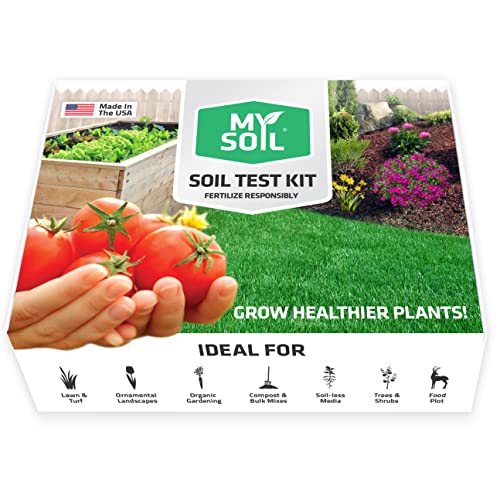
MySoil offers a professional-level route through a mail-in analysis that measures 13 plant-available nutrients, along with pH. Results arrive in 6–8 days, with tailored recommendations designed to address specific soil and plant needs. This option is ideal for homeowners seeking a detailed, lab-grade interpretation, especially when planting diverse crops or managing a landscape where precise nutrient management makes a noticeable difference in growth and health. It also supports a wide range of growing scenarios—from lawns to container gardens to ornamental landscapes.
Strengths include a comprehensive nutrient panel and actionable guidance. The main trade-off is the wait time for results, which is longer but yields a professional-grade report suitable for serious garden planning and long-term soil improvement strategies.
AKSBTEC 2026 New Soil Test Kit 4-in-1

AKSBTEC’s 4-in-1 kit covers pH, nitrogen, phosphorus, and potassium with 40 tests included (ten tests per element). This setup supports repeated testing across different lawn or garden zones, helping gardeners track color-coded changes over time. The kit emphasizes ease of use, with a straightforward procedure that blends soil and water, adds reagent, and compares colors to a chart. It’s well-suited for homes with multiple parcels or larger plots where maintaining consistent soil conditions is essential for steady plant performance—that includes vegetable plots, lawns, and perennial borders.
Key benefits include repeatable results, simple steps, and the ability to monitor multiple areas without purchasing separate kits. A potential limitation is the finite number of tests per element, which makes it better for ongoing monitoring rather than single, in-depth analyses.
NewTest Soil pH Test Kit

NewTest focuses on soil pH with an upgraded kit featuring 125 pH tests. It uses enhanced colorimetric strips and measuring cylinders to improve accuracy and reduce reading errors. The combination of multiple strips and precise measurement helps users track pH fluctuations across different zones and seasons. While this kit is primarily pH-centric, soil pH remains a foundational metric for nutrient availability, microbial activity, and overall plant health, making it a practical addition to a broader testing strategy when paired with nutrient tests from another kit.
Consider pooling results with broader nutrient assessments to get a fuller picture of soil health. The kit’s strength lies in its repeatable pH readings and cost-effective long-term use, especially for gardeners who want frequent pH checks without more complex analyses.
Industrial Test Systems SenSafe Lead Soil Test Strip

This test focuses on detecting lead in soil with a 0–400 ppm range across five test levels and a short 1– to 10-minute turnaround. Lead testing is a specialized concern for gardeners in older homes, urban soils, or sites near potential contamination sources. While not a general nutrient kit, this type of test is a crucial part of a comprehensive soil health strategy for safeguarding plant health and human exposure. Users should follow safety guidelines and consider additional nutrient and pH testing to complete the soil profile.
Garden Tutor Soil pH Test Kit

Garden Tutor blends professional-grade accuracy with AI-powered web reading for soil pH. This kit uses 3-pad test strips and a web-based reader that interprets a photo of the strip against a template to deliver digital pH values. The design aligns with modern home gardening needs, offering speed and ease without compromising reliability. It’s particularly attractive for homeowners who value quick feedback and a modern, user-friendly workflow. While pH is the core metric, the kit’s rapid results support timely soil adjustments for lawns, landscapes, and garden beds alike.
Buying Guide: Key Purchase Considerations and Comparisons
When choosing a soil chemical test kit, consider the following factors to align with your gardening goals and budget:
- Scope of testing: Do you need basic pH and nutrient checks, or a full nutrient profile (N, P, K, micronutrients)? For vegetable gardens, a broader panel often yields better management guidance.
- Testing method: Colorimetric capsules, liquid reagents, test strips, or mail-in lab analysis each have trade-offs between ease, speed, and accuracy. Household convenience versus lab-grade detail should guide your choice.
- Number of tests: Kits vary from 40 to 140 tests or more. For larger landscapes, choose a kit with enough tests to monitor multiple zones over time without constant repurchases.
- Turnaround time: Quick-read kits provide immediate guidance, while mail-in options require several days to weeks but deliver more precise nutrient recommendations.
- Target audience: Some kits are designed for beginners, others for serious hobbyists or professional-grade insights. Match the kit’s complexity to your gardening experience and goals.
- Interpreting results: Other than pH, consider how easily color changes map to actionable steps. Look for kits with clear charts or digital readers that reduce interpretation errors.
- Safety and environmental considerations: For lead and pesticide-related testing, ensure the kit covers the relevant contaminants and follow proper disposal guidelines for chemicals and samples.
- Accessibility and support: Availability of replacement reagents, customer support, and online resources can influence long-term usability.
In practice, many American gardeners benefit from a two-tier approach: use a reliable at-home kit for routine monitoring (pH and major nutrients) and supplement with a professional lab analysis for deeper insights or ongoing soil health programs. Combining results across different testing modes can yield a more robust plan for fertilization, irrigation, and crop selection, while minimizing environmental impact and cost.