Clay soils can trap water and hinder root growth, but the right amendment can enhance drainage, aeration, and microbial activity. This guide highlights five effective soil amendments that perform well in clay-heavy soils, with an objective look at how each option works, what to expect, and how to apply them for best results in American gardens and landscapes.
Summary of Selected Products
| Product | Brand | Key Benefit |
|---|---|---|
| Farmer’s Secret Soil Revitalizer | Farmer’s Secret | Activated humic acid to stimulate soil microbes and improve structure |
| The Andersons HumiChar | The Andersons | Humic acid plus biochar for long-term soil health and nutrient delivery |
| Sol Soils Calcined Clay | sol soils | Superior drainage and aeration; attaches to root zones and reduces compaction |
| The Andersons Humic DG | The Andersons | High humic content with DG technology for quick, even integration |
| Down To Earth Garden Gypsum | Down To Earth All Natural Fertilizers | Calcium sulfate to loosen clay and improve drainage |
Farmer’s Secret Soil Revitalizer (32oz) — Organic Humic Boost

Farmer’s Secret Soil Revitalizer is a liquid amendment designed to energize the soil food web. Its main ingredient is activated humic acid sourced from organic materials, aligning with OMRI organic standards. The product emphasizes feeding the soil rather than the plants, aiming to stimulate microbial activity that can improve nutrient availability and soil structure over time. For clay soils, the microbial boost can help break down dense clay aggregates, promoting better drainage and root penetration. The label recommends monthly applications throughout the growing season, with emphasis on fall and spring transitions to sustain soil vitality. This liquid format can be convenient for even distribution and quick uptake by microbes.
Why it helps clay soils: Activated humic acids help bind micro-aggregates and improve soil porosity, reducing surface crusting and promoting water movement through the topsoil. Over time, improved microbial activity can lead to more friable, crumbly soil that roots can explore. Consider pairing with a physical amendment like calcined clay for immediate drainage gains, while humic-based products work on longer-term soil health.
The Andersons HumiChar Organic Soil Amendment with Humic Acid and Biochar

The Andersons HumiChar combines humic acid with biochar to target clay soil challenges. Biochar adds long-term soil carbon and improves nutrient retention, while humic acids support microbial activity and nutrient exchange. The product is described as easy to apply in spherical, low-dust granules, which facilitates even distribution in lawns and garden beds. OMRI-listed status indicates suitability for organic programs. A key advantage for clay is enhanced soil structure, with improved infiltration and reduced compaction, alongside potential reductions in fertilizer requirements due to better nutrient use efficiency. The DG-like technology nature may support compatibility with ongoing fertilizer regimens.
What to expect on clay soils: Expect gradual improvements in soil texture and drainage. Because biochar remains in the soil for years, the benefits accumulate. For best results, blend with soil in the root zones of established beds and avoid airport-like dust exposure during application. Pair with gypsum or calcined clay if immediate drainage is a priority, then rely on HumiChar for long-term structure and nutrient management.
Sol Soils Calcined Clay — 1 Gallon

Sol Soils Calcined Clay is a 100% peat-free amendment designed to improve drainage, aeration, and root health. Fired at high temperatures to achieve a 74% porosity, it forms a porous structure that creates air pockets and reduces compaction. Its moisture management properties help prevent overwatering while keeping plant roots hydrated. The product is widely used for indoor plants, succulents, bonsai, and cacti, making it versatile for various clay-heavy settings. Clay soils benefit from the improved infiltration pathways and reduced density, enabling stronger root systems and better access to nutrients. This amendment can be especially helpful in potted plants and raised beds where soil structure is critical.
Application notes: Mix into the top layer to a depth of several inches, aiming for a looser, crumbly texture. Reapply as part of seasonal soil refreshes to maintain porosity, particularly in high-traffic garden areas. For heavy clay, combine with organic matter and a calcium sulfate product to maximize drainage gains and prevent waterlogging during wet seasons.
The Andersons Humic DG Organic Soil Amendment
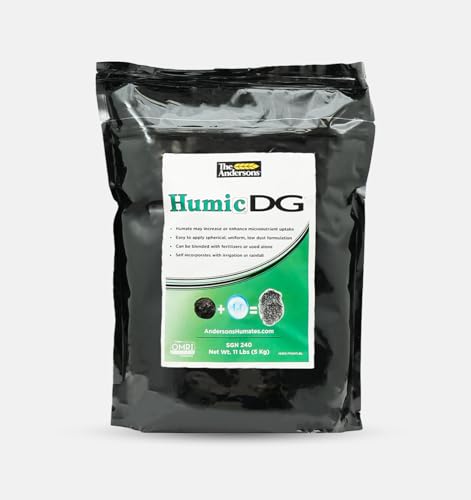
The Andersons Humic DG Organic Soil Amendment emphasizes a highly concentrated 70% humic content and a dispersible granule delivery system. This product is designed to feed beneficial soil microbes by providing carbon, a primary energy source for microbial communities. It also chelates nutrients, improving uptake efficiency and root nourishment. OMRI-listed status supports organic compatibility. In clay soils, humic-rich amendments can improve microbial diversity and nutrient cycling, contributing to healthier root systems and better resilience against compaction and nutrient lock-up. The DG technology supports rapid dispersion when watered in, making it convenient for both established lawns and new plantings.
Integration tips: Apply during the growing season and water deeply after application to promote uniform distribution. Consider using alongside a lightweight organic gypsum or calcined clay for immediate drainage improvements while Humic DG works to build longer-term soil vitality. Monitor soil moisture to avoid over-watering while the humic layer enhances microbial processes.
Down To Earth Garden Gypsum — Organic Prilled Gypsum

Down To Earth Garden Gypsum is an organic, OMRI-listed calcium sulfate that helps loosen clay soil and improve drainage. Gypsum is a common remedy for heavy soils because it can displace sodium and reduce soil compaction, facilitating better water movement and root growth. The product is sold as a practical, easy-to-apply prilled format, and it is compatible with organic farming programs. In addition to improving structure, gypsum can support healthier root environments by reducing soil density and allowing air to circulate around roots. It is especially useful in soils affected by high clay content, alkaline conditions, or saline-related issues.
Usage guidance: Apply as part of a seasonal soil amendment plan, especially before planting and during lawn renovations. Follow with thorough watering to help the granules disperse and begin working into the root zone. For best outcomes, combine gypsum with organic matter additions to accelerate improvements in porosity and drainage in clay soils.
Buying Guide: Key Purchase Considerations For Clay Soils
What to look for
- Soil structure goals: If immediate drainage is the priority, choose products that physically alter texture (calcined clay, gypsum). For long-term soil health, prioritize humic substances and biochar.
- Organic certification: OMRI-listed products are designed for organic programs and may align with stricter gardening standards.
- Delivery method: Liquid amendments can distribute quickly across large areas, while granules and calcined clays provide longer-lasting structure in the root zone.
- Compatibility: Check compatibility with existing fertilizers and soil amendments to avoid adverse chemical interactions.
- Application cadence: Some products work best with repeated seasonal applications; others provide immediate texture changes.
How to apply
- Test a small bed first to gauge response before scaling up.
- Spread granular amendments evenly, or mix liquids thoroughly into the top 6–8 inches of soil for even distribution.
- Water deeply after application to help dissolution and movement of amendments through the root zone.
- Reassess soil texture and moisture after 4–6 weeks; adjust subsequent applications based on observed improvements.
Comparative perspectives
- Immediate drainage vs. long-term soil health: Gypsum and calcined clay offer quick structural benefits, while humic-based products and biochar focus on sustained microbial activity and carbon integration.
- Soil biology: Humic products support microbial populations essential for nutrient cycling, whereas mineral amendments primarily alter physical properties.
- Organic programs: OMRI-listed products provide assurance for organic gardening, though compatibility with organic soils varies by product and location.
In clay-rich environments, combining multiple approaches often yields the best results. Start with a physical amendment to relieve compaction and improve drainage, then add humic-rich or biochar-based products to support microbial health and nutrient retention. The five products highlighted here offer a spectrum of immediate to long-term benefits, enabling targeted strategies for different garden beds, lawns, and container setups across American climates.