Hydrangeas are prized for their color-changing blooms, which respond to soil pH. Using a soil acidifier can help you achieve more vibrant blues by lowering pH and boosting aluminum availability in the soil. This guide reviews top-rated acidifiers that are commonly used in American gardens, with a focus on those that support blue hydrangeas, azaleas, rhododendrons, and other acid-loving plants. Each product section provides practical information, application tips, and key features to help you choose the right option for your garden.
Quick comparison table of selected products:
| Product | Brand | What It Does | Typical Use |
|---|---|---|---|
| True Organic Soil Acidifier | True Organic | Lowers pH; supports acid-loving plants; blue hydrangeas | Soil amendments for blue blooms |
| Espoma Organic Soil Acidifier | Espoma | Lowers pH; turns hydrangeas blue; contains elemental sulfur | Organic gardening; broad acid-loving use |
| Jobe’s Organics Granular Soil Amendment | Jobe’s Organics | Organic sulfur-based acidifier; OMRI-listed | Granular, low-waste application |
| Espoma Organic Soil Acidifier Amendment | Espoma | Lowers pH; turns hydrangeas blue; contains sulfur | Organic gardening; acid-loving plants |
| Bloom City’s Organic Soil Acidifier | Bloom City | Organic formula; supports acid-loving plants; blue hydrangeas | Hydrangeas and blueberries |
True Organic Soil Acidifier

True Organic’s soil acidifier is designed to lower soil pH, creating an optimal environment for acid-loving plants. It’s particularly suited for hydrangeas seeking blue blooms, as well as azaleas, rhododendrons, blueberries, and camellias. The product emphasizes pH reduction and soil health, supporting vibrant foliage and richer bloom color without introducing synthetic chemicals.
Espoma Organic Soil Acidifier

Espoma’s organic acidifier uses elemental sulfur and gypsum to lower soil pH, turning Mophead and Lacecap hydrangeas blue when used as part of a broader acidic soil strategy. This product is designed for organic gardening and is suitable for a wide range of acid-loving plants, including evergreens and camellias. The emphasis is on natural sulfur-based chemistry to shift pH over time.
Jobe’s Organics Granular Soil Amendment

Jobe’s Organics Granular Soil Amendment provides an organic, sulfur-based acidifier designed to lower soil alkalinity and promote blue hydrangea blooms. The product is OMRI-listed for organic gardening, and the granules are formulated to minimize runoff, odors, and mess. It’s positioned as a user-friendly option for organic gardeners seeking vibrant foliage and color.
Espoma Organic Soil Acidifier Amendment
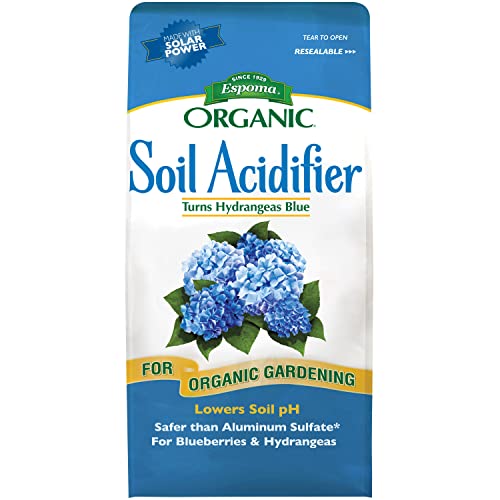
This Espoma version emphasizes lowering soil pH with sulfur-based components to support blue hydrangeas and other acid-loving plants. Like its 30-pound counterpart, this product is designed for organic gardening with a focus on slow, steady pH reduction to achieve optimal bloom color over time.
GARDENWISE Slow Release Hydrangea Fertilizer

GARDENWISE combines an 8-4-8 formula with iron and sulfur to support acid soil conditions and bright blooms. While marketed as a general slow-release fertilizer, its sulfur content helps maintain soil acidity, making it suitable for hydrangeas and other acid-loving plants seeking robust growth and vivid colors with minimal maintenance.
Perfect Plants Organic Soil Acidifier

Perfect Plants offers a sulfur-based soil acidifier formulated to turn Hydrangea blooms blue by balancing soil acidity. The product also notes usefulness for other crops like tomatoes and berries, highlighting its versatility in organic gardening. The emphasis is on supporting root and flower growth through improved soil conditions.
Bloom City Organic Soil Acidifier
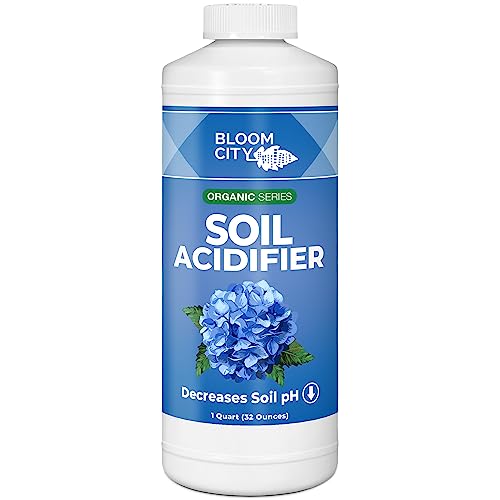
Bloom City’s organic soil acidifier is specifically marketed to enhance acid-loving plants, including blueberries and hydrangeas. The formulation uses sulfur-based chemistry to foster more vibrant blue blooms and overall plant health, making it a solid option for gardeners focusing on hydrangeas and companion acid-lovers in a mixed border or edible garden.
Buying Guide: Key Purchase Considerations
When selecting a soil acidifier for hydrangeas, consider the following to ensure the best long-term results:
- Soil pH target: Test your soil before applying acidifiers to determine how much pH reduction you need and avoid over-acidifying, which can stress plants.
- Organic vs. synthetic base: Organic options (sulfur-based amendments) are typically preferred for long-term soil health and organic gardening, while synthetic blends can offer faster pH changes.
- Application method: Granular vs. liquid forms influence ease of use and how evenly the product is incorporated. Granular products often require irrigation to activate.
- Plant compatibility: Ensure the product is suitable for all acid-loving plants in your landscape, including hydrangeas, azaleas, rhododendrons, and blueberries.
- OMRI and organic certification: If you garden organically, verify that the product is OMRI-listed or otherwise approved for organic use.
- Long-term plan: Hydrangeas respond to soil changes gradually. Establish a maintenance plan with periodic pH testing to preserve blue blooms over multiple seasons.
- Safety and runoff: Follow label directions to minimize runoff into waterways and avoid unintended pH changes in surrounding soil and grasses.
Choosing By Scenario
- New hydrangea beds: Start with a slow-release organic acidifier to establish an acidic baseline without shocking plants.
- Organic garden emphasis: Favor OMRI-listed products with elemental sulfur and gypsum to gently adjust pH over time.
- Blue bloom optimization: Use products known to lower pH effectively and maintain consistent moisture to support color stability.
- Mixed shrubs and edibles: Select a versatile acidifier that supports both hydrangeas and berries without overwhelming soil chemistry.
Overall, the best choice depends on your soil’s current pH, your gardening philosophy (organic vs. conventional), and how quickly you want to see blue hydrangea blooms emerge. Regular soil testing and careful product selection will help you achieve consistent color and healthy, vibrant plants across seasons.