Looking for low-maintenance, visually pleasing ground covers that thrive in shade, sun, and uneven spaces? This guide highlights soft ground cover plants ideal for pathways, slopes, rock gardens, and lawn alternatives. Each pick is selected for easy growth, soil adaptability, and pollinator-friendly appeal. Best for busy homeowners who want lush greenery with minimal upkeep, yet still desire color, texture, and year-round interest. Below, compare five top options, plus a practical buying guide and FAQs to help you choose confidently.
| Product | Best For | Why It Stands Out |
|---|---|---|
| PLANTMEW 20000+ Creeping Thyme Seeds | Sun-loving landscapes | High germination, fragrant, supports pollinators |
| Mixrug 15000+ Blue Creeping Thyme Seeds | Stepping-stone beds | Silver-gray foliage, drought-tolerant, durable |
| Loseedsoo 20000+ Creeping Thyme Seeds (Purple) | Colorful pathways | Dense carpet, vivid purple blooms, easy care |
| Outsidepride Irish Moss Ground Cover Seeds | Shaded borders and walkways | Mat-forming texture, shade-tolerant |
| Outsidepride Dichondra Repens Seeds | Lawn alternatives | Dense green carpet, low maintenance, year-round color |
PLANTMEW Creeping Thyme Seeds

Best for sun-drenched paths and patios, PLANTMEW Creeping Thyme Seeds are promoted for high germination and easy establishment. The seeds promise a dense, low-growing carpet that tolerates poor soil and full sun. The fragrant foliage provides sensory interest, while attracting bees and butterflies. This option is particularly well suited for gardeners who want a robust, evergreen-like ground cover with light foot traffic tolerance. A potential limitation is that performance may vary with extreme conditions or heavy mulch layers, which can impede germination.
Mixrug Blue Creeping Thyme Seeds

Mixrug offers a blue-tinged creeping thyme option ideal for between stepping stones and rock gardens. This variety features a robust low mat, evergreen foliage in mild climates, and lavender-blue flower clusters in early summer. It’s best for sunny, well-drained sites and creates an attractive, walkable carpet. Choose this if you want a cool-toned, textured ground cover with durable drought tolerance. Caution: establish protection against heavy foot traffic until roots mature to avoid uprooting.
Loseedsoo 20000+ Creeping Thyme Seeds (Purple)

Loseedsoo presents a purple creeping thyme seed pack with over 20,000 seeds per pouch. It aims to yield a vivid purple ground cover that spreads quickly, forming a soft carpet of lavender blooms. Its drought tolerance makes it suitable for sunlit areas with limited irrigation. Best for adding color along walkways or borders while requiring minimal mowing. Limitation: Purple thyme color intensity and bloom height can depend on climate and soil fertility.
Outsidepride Irish Moss Ground Cover Seeds
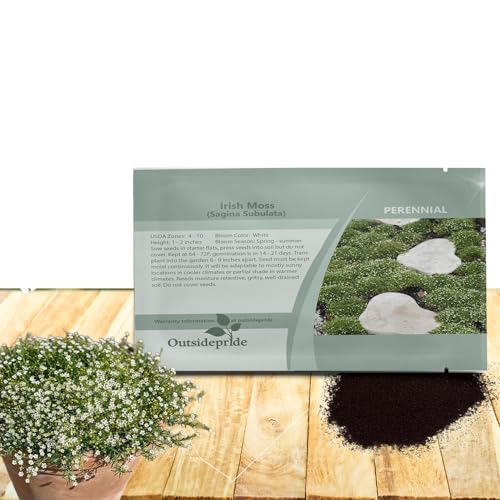
Outsidepride Irish Moss seeds create a dense, mat-forming ground cover ideal for shaded pathways and rock gardens. This shade-tolerant option mimics the look of real moss, adding a soft texture to borders and patios. It works well as a lawn alternative for moist, shaded areas and can tolerate a degree of foot traffic. A potential drawback is that true moss-like texture may require consistent moisture to maintain fullness in hotter or drier climates.
Outsidepride Dichondra Repens Seeds

Dichondra repens is a low-growing ground cover that forms a lush green carpet, suitable as a lawn substitute in warm climates. It’s known for rapid establishment, dense coverage, and a prostrate growth habit that keeps the surface smooth and uniform. Best for sun and light shade in USDA zones 8-11. Use caution in cooler zones where winter die-back may occur, and expect some seasonal color variation in extreme temperatures.
Buying Guide: Soft Ground Cover Plants
What factors should I consider before choosing a ground cover?
Assess sunlight exposure (full sun vs. shade), soil drainage, and climate. For sunny, dry sites, drought-tolerant thyme varieties and drought-tolerant dichondra perform well. For shaded spaces, Irish moss and rock-loving ground covers offer better texture and moisture tolerance. Consider foot traffic: some thyme mats tolerate light traffic, while others are better for decorative borders. Also think about bloom color, fragrance, and pollinator appeal to support garden health.
How to compare seed-based ground covers?
Look at germination rates, growth habit, height, and spread. High germination seeds provide faster blanket formation, but consider seed density (per pouch) and coverage estimates for planning. Some varieties offer evergreen foliage in mild climates, while others display seasonal flowers that enhance curb appeal. Choose mixtures that match your landscape goals—fragrance, color, or texture—and your maintenance preference.
Which ground covers are best for lawn alternatives?
Dichondra repens and certain thyme cultivars are popular lawn substitutes due to low mowing needs and dense carpeting ability. Irish moss offers a moss-like texture in shade and moist soils, ideal for stepping stones and borders. For high-traffic areas, select varieties described as durable and low-growing to minimize wear and tear.
Are there any maintenance tips to ensure success?
Prepare a well-draining planting bed, remove existing weeds, and water consistently during establishment. Mulch lightly to retain moisture, but avoid thick mulch layers that impede germination. In hot climates, provide supplemental irrigation during dry spells and monitor for pests or disease. Prune or trim to maintain a neat carpet and remove any uneven patches to encourage even growth.
How to plan a mixed ground-cover border?
Combine sun-loving thyme with shade-tolerant options to create a versatile border that remains attractive across seasons. Use thyme near pathways for fragrance and color and Irish moss for shaded edges. Dichondra offers a uniform look for larger lawn-replacement sections, while purple thyme varieties can add vibrant color accents. Consider bloom timing to ensure continuous visual interest throughout the year.
FAQ
- What is the easiest ground cover to establish from seed? Dense thyme varieties and Irish moss seeds are generally straightforward to establish with consistent moisture and proper sun exposure. They tend to form rapid carpets once germinated.
- Can any of these ground covers tolerate foot traffic? Some thyme varieties tolerate light foot traffic, and compact dichondra can handle moderate use. For high-traffic zones, plan for stepping stones or use plants described as durable in their product notes.
- Will these ground covers thrive in shade? Irish moss is well-suited for shade, while certain thyme varieties prefer sun. If your site is mostly shaded, prioritize Irish moss or other shade-tolerant options in the selection.
- Do these seeds require special soil? Most prefer well-draining soil. Thyme and dichondra tolerate poorer soils, whereas Irish moss likes moist, shaded areas. In drought-prone regions, choose drought-tolerant varieties.
- When should I expect blooming or color? Thyme varieties typically bloom in late spring to early summer. Purple or lavender tones appear in mid-to-late growth cycles depending on climate. Some options are primarily foliage with minimal flowers.