Choosing the right small trees for screening helps create privacy, reduce noise, and boost curb appeal. The selections below focus on compact, fast-growing varieties that perform well in American landscapes. Each option offers dense foliage, easy maintenance, and year-round screening potential. Use this guide to compare top performers and find the best fit for your space and climate.
| Product | Type | Approx. Growth | Best For |
|---|---|---|---|
| 10 Fast Growing Hybrid Poplar Cuttings | Privacy/ Shade | Very Fast | Open spaces, erosion control |
| Green Giant Arborvitae, 10 Pack | Evergreen Screening | Fast | Windbreaks, year-round privacy |
| Privacy Trees for Planting Aussie Willow | Hybrid Willow | Very Fast | Dense screen, visual barrier |
| Carolina Cherry Laurel Live Starter Plants | Evergreen Shrub/Small Tree | Moderate to Fast | Year-round structure, wildlife habitat |
| Spartan Juniper | Evergreen Screening | Fast | Formal screens, topiary potential |
10 Fast Growing Hybrid Poplar Cuttings
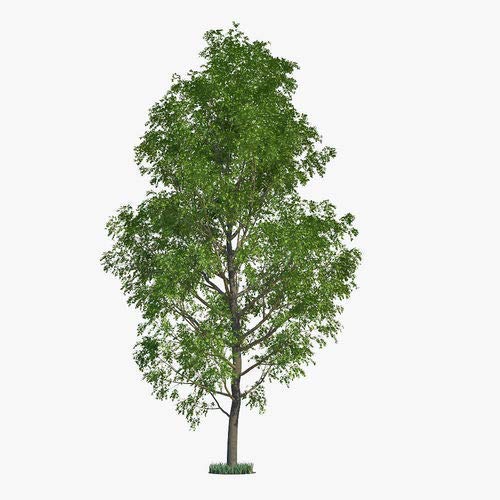
Hybrid Poplar trees are known for rapid growth and substantial privacy potential. These cuttings are marketed for fast establishment with minimal seed production and environmental benefits such as erosion control and oxygen production. They are promoted as easy to grow with included instructions and video resources, making them suitable for homeowners seeking a quick screen in open spaces.
Key features include: fast-growing privacy or shade, low-seed/cotton production, and environmental benefits like air filtration. The product emphasizes ease of growth with guidance to support success, making it a practical option where a rapid screen is desired.
Green Giant Arborvitae | 10 Pack

Arborvitae are classic screening evergreens, valued for their dense foliage and predictable growth. The Green Giant variety is praised for its tall, uniform form and resilience in warm climates with adequate sun. This package is designed for quick, scalable privacy, often reaching up to several feet per year until maturity. The trees tolerate heat and humidity, and respond well to minimal pruning or light topiary shaping as needed.
Aussie Willow Privacy Trees

Aussie Willow, or Hybrid Willow, is among the fastest-growing trees for screening. They can achieve substantial height quickly, delivering an effective privacy barrier and noise reduction. Plant spacing of about 3 feet supports dense coverage, with options to stack a second staggered row for even faster and fuller screening. Cuttings arrive ready for rooting and are noted for rapid establishment in suitable soils and moisture conditions.
Carolina Cherry Laurel Live Starter Plants

Carolina Cherry Laurel is a broadleaf evergreen that provides year-round privacy with glossy leaves and clusters of flowers. Suited for USDA Zones 7–10, this shrub/small tree grows to a tall screen and can be pruned to maintain a desired shape. It supports wildlife with habitat features and offers dense coverage for hedges or borders, making it a versatile option for varied landscapes.
Spartan Juniper

Spartan Juniper is a fast-growing evergreen that forms a dense, columnar silhouette suitable for privacy screens and windbreaks. Its natural pyramidal shape requires little pruning, offering a low-maintenance option for formal screens or topiary accents. The plant tolerates heat, cold, and drought, making it adaptable to a range of American climates while maintaining a consistent screen.
Buying Guide: Key Purchase Considerations
- Climate and Hardiness: Match plant tolerance to your USDA zone and local conditions (heat, cold, humidity, wind exposure).
- Growth Rate and Ultimate Size: Consider how quickly you want screening and the space available at maturity to avoid future crowding.
- Soil and Moisture Needs: Assess soil drainage, moisture requirements, and whether irrigation is feasible for sustained growth.
- Evergreen vs. Deciduous: Decide if year-round privacy (evergreen) or seasonal color (some deciduous options) fits your goals.
- Maintenance: Examine pruning needs, pest/disease resistance, and whether the plant is suitable for containers or hedges.
- Screening Density: Plan spacing to achieve dense coverage without gaps; consider staggered rows for faster results.
- Wildlife Considerations: Some species attract birds or wildlife; ensure compatibility with your landscape goals.
- Root Behavior: Be mindful of root depth and potential foundation or underground utility interactions, especially in compact spaces.
- Aesthetic Goals: Choose forms (columnar, pyramidal, rounded) that complement your architecture and yard style.
All selected options focus on practical screening performance, maintenance practicality, and adaptability across typical American suburban settings. When planning, map out sun exposure, wind patterns, and available space to pair species that complement one another for year-round privacy and landscape value.