Whether you’re a city dweller with limited space or a backyard gardener seeking fresh citrus year-round, these small lime tree plants offer compact growth, container-friendly designs, and tangible flavor rewards. This guide highlights five carefully selected options, ideal for beginners and seasoned growers alike. Each entry explains who it’s best for, what makes it stand out, and a practical limitation to consider before you order.
The table below compares key attributes to help you choose at a glance. All products are suitable for container growing, but suitability may vary with climate, care routines, and available space.
| Product | Best For | Container Type | Notes |
|---|---|---|---|
| Dwarf Key Lime Tree Seeds | Budding indoor growers with seed-growing interest | Containers | Produces small, aromatic limes year-round once mature |
| Lime Tree Fertilizer – Liquid | Uniform nutrient support for citrus | Any | Balanced nutrition for steady growth |
| Garden State Bulb Persian Lime Tree | Plant lovers in zones 8–11 | 1 gallon | Partial sun to partial shade; indoor near bright window |
| Persian Lime Citrus Fruit Tree Live Plant | Indoor plant collectors seeking aromatic lime variety | Pot-ready | Includes winter heat pack for cold shipments |
| Key Lime Live Tree Indoor/Outdoor | Compact space-savers with year-round blooms | 1 gallon | 13″–22″ tall; good for indoor or patio |
Dwarf Key Lime Tree Seeds, 10 Count

Best for curious gardeners who want to start lime trees from seed and enjoy container-friendly growth. This option targets growers who favor a DIY approach and want to observe the full life cycle from seed to fruit. The seeds are described as thriving in containers and reaching a mature height of 6–8 feet with proper maintenance. The harvest potential is noted as small, aromatic limes year-round once mature, which makes it attractive for culinary experiments or fresh garnishes. For best germination, plant seeds 1/4 inch deep in well-draining potting soil and maintain temperatures between 70–85°F. A limitation is that seed-grown trees may take longer to produce fruit and require patient care compared to grafted varieties.
- Best for: Beginners who want hands-on growing experience from seed
- Why chosen: Container-friendly and potential year-round harvest
- Caution: Seed-grown trees may take longer to bear fruit and require careful propagation conditions
Lime Tree Fertilizer – Liquid Plant Food
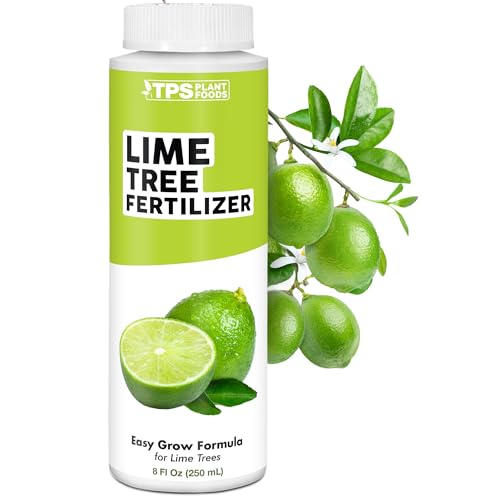
Best for gardeners seeking steady, balanced nutrition to support lime and citrus tree growth. This 8 oz liquid plant food is designed to promote healthy root development, flowering, and fruiting. It’s positioned as suitable for lime and general citrus care, offering a straightforward way to keep nutrients consistent throughout the growing season. The product is described as providing balanced nutrition tailored to citrus needs, which can be advantageous for those managing multiple citrus plants or aiming for regular fruit production. A potential limitation is the need for regular application according to schedule to sustain results.
- Best for: Those who want consistent, balanced citrus nutrition
- Why chosen: Supports fruit development and overall tree strength
- Caution: Requires adherence to application timing for best results
Garden State Bulb Persian Lime Tree

Best for zone-conscious gardeners who want a lime tree suited to climates that tolerate partial sun to partial shade. This 1-gallon container plant is labeled for hardiness zones 8 to 11 and emphasizes adaptability to indoor spots near a bright window. The choice suits buyers with mild winters and rooms that lack full outdoor sun but still want a productive lime tree. A limitation to consider is that performance may vary with light exposure; insufficient light could slow growth and fruiting.
- Best for: Gardeners in zones 8–11 seeking a manageable indoor/outdoor option
- Why chosen: Flexible light requirements and container-friendly size
- Caution: Partial shade may reduce fruiting potential
Persian Lime Citrus Fruit Tree Live Plant

Best for indoor plant collectors seeking an aromatic lime variety with robust shipping support. This live plant option highlights a fully rooted indoor garden plant, ready to join a plant collection. It’s described as a great-smelling, edible lime citrus tree, appealing to homeowners who enjoy aromatic greenery indoors. An important note is the inclusion of a winter heat pack to help ensure safe cold-weather shipping, which is helpful in cooler regions. Potential limitation: live plants require careful handling and acclimation after arrival, especially if moving from warm to cooler indoor environments.
- Best for: Indoor plant lovers who want an aromatic lime tree
- Why chosen: Fully rooted, ready-to-collect, with a cold-weather safety measure
- Caution: Live plant arrival may need acclimation and careful watering
Key Lime Live Tree Indoor/Outdoor

Best for space-conscious builders who want a compact, 13″–22″ tall tree ready for indoor display or patio use. This Via Citrus option emphasizes a compact size that suits small spaces while offering year-round blooms and a refreshing aroma. It’s an appealing choice for those growing citrus live plants indoors or on patios, delivering a balance of ornamental value and fresh lime usage. A caveat is that it arrives in a one-gallon pot; buyers should be prepared to repot as it grows. Choose this if you want a versatile, visually appealing lime tree that fits tight spaces.
- Best for: Small-space citrus lovers who want year-round blooms
- Why chosen: Compact size with indoor or patio versatility
- Caution: Requires eventual repotting as the tree grows
Buying Guide
Key considerations when selecting a small lime tree plant
Space and container compatibility
Measure your available space and choose trees that comfortably fit without overcrowding. Container depth, drainage, and material affect root health and growth rate. Seed-started options often need longer to reach fruit-bearing stages than grafted or established plants.
Climate and hardiness
Identify your USDA hardiness zone and indoor climate. Some options are labeled for zones 8–11 or designed for indoor environments, while others prefer bright indoor light and consistent warmth. Consider winter protection and potential heat packs for cold shipments.
Nutrient management
For best results, select a product line that aligns with your care routine. Liquid fertilizers support steady growth, while seed-start options rely on quality soil and temperature conditions. Regular feeding helps encourage flowering and fruiting, but over-fertilizing can harm young plants.
Fruit expectations and timing
Seed-grown trees may take longer to fruit compared with grafted varieties. If you want quicker harvests, prioritize established plants or container-ready trees. Understand that fruit size and flavor may vary based on genetics, care, and environment.
Care and maintenance
Consider light, watering frequency, and pruning needs. Most lime trees prefer bright light, consistent moisture without waterlogging, and occasional pruning to maintain shape and air flow. Indoor environments should mimic sunny, warm outdoor conditions as closely as possible.
Shipping and acclimation
Live plants may require acclimation after arrival. Look for options that include protective packaging or heat packs when shipping to cooler regions. Inspect plants upon arrival and gradually adjust to your home environment to minimize stress.
Frequently Asked Questions
- Do small lime trees require full sun?
Most lime trees prefer bright light. Indoor growers should place plants near sunny windows or under grow lights to encourage fruiting and healthy growth.
- How long does it take for lime trees to bear fruit from seed?
Seed-grown trees can take several years before producing fruit, with variation depending on species and care. Grafted or established plants typically fruit sooner.
- Can I grow lime trees indoors year-round?
Yes, with adequate light, warmth, and humidity. Supplemental lighting and consistent watering support indoor fruiting and ornamentation.
- Is fertilizer necessary for lime trees?
Yes, citrus-specific fertilizers help support growth and fruit development. Follow product guidelines to avoid over-fertilization.
- What should I monitor after delivery of a live plant?
Check for signs of stress, such as yellowing leaves or drooping, and acclimate gradually to your home environment. Ensure proper drainage and avoid overwatering.
- Are these lime trees suitable for beginners?
Yes, several options are appropriate for beginners, especially those with clear planting and care guidelines. Start with one that aligns with your climate and space.