Answer: For small cell bee hives, choose foundations and frames that promote compact, well-defined cells and easy installation. The top picks below are suited for hobbyist beekeepers and small operations seeking reliable wax-coated foundations and compatible frames. Each option is chosen for ease of use, durability, and bee acceptance, with notes on who benefits most from each product.
Summary Table of Selected Products
| Product | Best For | Why It Stands Out | Limitations |
|---|---|---|---|
| HMJRQ Yellow Beehive Wax Coated Foundation Sheet | Budget-friendly deep frames users | Wax-coated plastic foundation with 5.2mm cells, durable construction | Plastic material may feel less natural to some bees |
| Mann Lake 8 1/2″ Waxed Rite-Cell Foundation (Case of 100) | Serious hobbyists and small operations | Sharper edges for quick acceptance, easy installation | Case quantity may be more than needed for beginners |
| BEEXTM Waxed Coated Foundation Sheets (Deep Frames, 10 Pcs) | New hives and DIY setups | Beeswax-coated, easy to assemble, deep frame compatibility | Limited to provided pack size |
| ZffXH 30 Pack Beeswax Sheets | Beekeeping and candle-making fans | Deep cells, sharp edges, wax moth resistant | Multiple packs may be needed for larger hives |
| BeeCastle 10-Frames Complete Beehive Kit | New beekeepers and complete install | Fully beeswax-coated, pre-cut joints, durable cedarwood | Heavier setup; larger initial investment |
HMJRQ Yellow Beehive Wax Coated Foundation Sheet

Product type: Deep frame foundation sheets with beeswax coating. Size is 16.7×8.35 inches with a 5.2 mm cell size. Made from a tough plastic material finished with natural beeswax for durability. This foundation is designed for deep hive frames and aims to be easy to use and clean.
Who it’s best for: Small-scale beekeepers or hobbyists seeking a cost-effective, wax-coated foundation suitable for deep frames. It is especially convenient for those who prefer a waxed surface that can help encourage brood emergence and cell formation.
Why selected: The combination of durable plastic and beeswax coating supports long-term use and straightforward installation, aligning with small-cell beekeeping practices.
Caution: Some users report that plastic foundations may require careful handling to prevent creasing during installation. Ensure proper alignment with deep frames to maximize cell definition.
Mann Lake 8 1/2″ Waxed Rite-Cell Foundation (Case of 100)

Product type: Waxed foundation designed for 8.5″ deep frames. Features easy installation without reinforcement, sharper edges to speed bee acceptance, and built-in protection against wax moth damage. Case of 100 units ensures ample supply for multiple hive installations.
Who it’s best for: Beekeepers managing multiple hives or seasonal expansion; ideal for those prioritizing fast setup and reliable cell formation with enhanced moth resistance.
Why selected: Sharper edges promote rapid acceptance by bees and efficient comb building, which helps establish robust colonies quickly. Reinforcement-free design saves time during frame setup.
Caution: If your frames are not precisely sized for Rite-Cell, verify compatibility before installation to avoid misfit or gaps in the foundation.
BEEXTM Waxed Coated Foundation Sheets (Deep Frames, 10 Pieces)
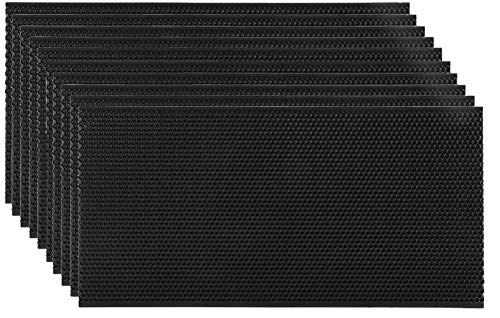
Product type: Beeswax-coated foundation sheets for deep hive frames. Made from tough plastic with natural beeswax for durability and ease of use. Designed to slip into groove-top frames without reinforcement and features hexagonal holes for efficient brood patterns.
Who it’s best for: Beekeepers seeking a durable, easy-to-install foundation that works well in deep-frame hives and emphasizes clean maintenance. Good for beginner to intermediate users looking for straightforward upgrades to foundation quality.
Why selected: The combination of beeswax coating and user-friendly installation makes it a practical option for new hives or updates to existing deep frames.
Caution: Check frame compatibility with the listed depth to ensure a snug fit and avoid loose foundations in strong colonies during peak brood periods.
ZffXH 30 Pack Beeswax Sheets for Bee Hive Frames

Product type: Beeswax sheets with deep cell depth and high-definition cell structure. Claims to slip easily into groove-top frames and features sharper cell edges for quick acceptance. Designed to resist wax moth damage and improve hive longevity.
Who it’s best for: Beekeepers prioritizing natural foundation materials with strong moth resistance and deeper cells for robust brood development. Suitable for both new installations and hive refurbishments.
Why selected: The combination of easy frame fit, resilience to pests, and high-definition cells aligns with small-cell hive goals and long-term hive health.
Caution: The 30-pack quantity suggests use across several hives; ensure you have compatible deep-frame equipment to maximize value.
BeeCastle 10-Frames Complete Beehive Kit

Product type: Complete hive kit with 10 frames, beeswax-coated, and two deep boxes with a medium box. Cedarwood construction features thick beeswax coating for durability and waterproofing, avoiding painting. Pre-cut dovetail joints and pre-drilled holes simplify assembly.
Who it’s best for: New beekeepers starting a hive from scratch; experienced keepers seeking a durable, low-maintenance hive with strong structure and good insulation. Suitable for even winter climate protection due to cedarwood and wax coating.
Why selected: The kit provides a comprehensive setup with durable construction and wax coating, supporting long-term hive health and reduced maintenance for beginners and busy hobbyists.
Caution: Cedarwood can be heavier and more expensive upfront; ensure you have adequate space and proper handling during transport and assembly.
Buying Guide: Key Purchase Considerations
What type of foundation best fits your hive depth and frame groove design? Deep frames work well with thicker foundations, while shallow frames may require thinner options. Consider the frame depth you use and confirm compatibility with the foundation’s cell size and material.
Should you choose wax-coated plastic or natural beeswax sheets? Wax-coated foundations can offer durability and easy cleanup, while natural beeswax provides a more traditional bee-friendly surface. Beeswax coatings can improve acceptance in some colonies, but materials and installation ease vary by product.
What cell size is right for small cell beekeeping? Smaller cell sizes (often around 4.9–5.2 mm) promote compact brood patterns and can influence colony behavior. Verify the cell size on the foundation to match your management goals.
How important is installation ease and maintenance? Products with easy installation, groove-top frames, and reinforcement-free designs save time and reduce setup stress, especially for beginners. Consider whether you prefer ready-to-use kits or modular components you assemble over time.
What about pest resistance and hive longevity? Some foundations advertise wax moth resistance or stronger cell definitions. This can influence hive health, particularly in warmer regions or where wax moth pressure is high.
FAQ
- What is small cell beekeeping? Small cell beekeeping uses smaller cell sizes in foundation and brood frames to influence colony behavior and brood patterns.
- Are wax-coated foundations better than plain plastic? Wax coating can make foundations more natural for bees and support easier cell formation, but durability and handling vary by material.
- Can I mix different brands of foundations in the same apiary? Mixing is possible if frame depth, cell size, and groove compatibility align. Consistency is helpful for colony management and inspection.
- Which product is best for a beginner? A complete hive kit like BeeCastle offers an all-in-one starter solution with clear assembly steps and durable materials.
- How do I choose the right cell size? Match the cell size to your management goals and the colony’s responses observed in your region. Smaller cells may influence brood pattern and drone health in some cases.
- Do these foundations affect honey production? Foundations primarily influence brood and comb development, which can indirectly affect honey yields through brood health and colony strength.