Choosing the right siphon starter can simplify moving liquids from one container to another—whether watering plants, refilling tanks, or handling automotive fluids. The products below are selected for garden hose compatibility, durability, and ease of use. This guide compares five popular options to help you pick the best siphon starter for your needs.
| Product | Type | Best For | Key Benefit |
|---|---|---|---|
| Hozon Siphon Mixer | Siphon mixer | Fertilizers and plant foods with garden hose | Simple chemical mixing via hose connection |
| Vila Multi-use Manual Pump Kit | Hand siphon pump | General liquid transfers | All-in-one kit with long reach tubes |
| The Original Safety Siphon 6 Foot Hose | Self-priming siphon | Fuel, water, home brews | FDA food-grade option and quick start |
| FACFUEL Fuel Transfer Pump | Manual hand siphon | Gasoline, diesel, oils | Durable hose and copper head for reliable transfer |
| Wadoy Gas/Oil/Water Transfer Siphon | Siphon pump | Emergency and versatile liquids | Double hoses for flexible reach |
Note: Each option has a specific use profile—from garden applications to automotive fluids. Consider hose length, compatibility with your liquids, and whether you need a self-priming mechanism or a simple manual pump. The following sections summarize five highly relevant choices.
Hozon Siphon Mixer For Garden Hose

The Hozon Siphon Mixer connects directly to a garden hose to blend chemicals, such as soluble fertilizers and plant foods, during transfer. It features a brass siphon mixer and a back-flow preventer to minimize contamination risk. The setup is optimized for hoses up to 50 feet; longer hoses can impair siphoning action. This model is suitable for garden and horticultural use where precise mixing is desirable without separate containers or pumps.
Key features include a straightforward hose connection, brass components for durability, and a built-in back-flow preventer. The device is designed for quick setup and practical use in outdoor watering or feeding routines. It is best used with compatible liquids and within the recommended hose length to maintain reliable siphon action. For gardeners who routinely mix liquid nutrients, this option can streamline workflows while keeping handling simple and clean.
Vila Multi-use Manual Fuel Transfer Pump Kit

The Vila siphon kit is a portable, all-in-one solution for moving liquids such as water, fuels, and other automotive fluids. It includes a 9-inch hand pump connected to a 15-inch suction tube, with a 39-inch discharge tube for directed transfer. The assembly forms a compact system suitable for on-the-go transfers, fuel transfers in garages, or maintenance tasks around home and shop. It is versatile for automotive use and emergency liquid transfers, and it can siphon a range of liquids beyond water and gas, though users should avoid highly caustic substances.
Important considerations include the total length of the siphon path and the need to manually operate the pump. The Vila kit supports a variety of liquids and is designed with practical plumbing logic to prevent leaks, but it relies on manual effort to initiate and maintain flow. This makes it a good choice for those who want a light, portable solution without electrical power, and who value multi-liquid compatibility for occasional siphoning tasks.
The Original Safety Siphon 6 Foot Hose

The Original Safety Siphon with a 6-foot hose and 1/2-inch valve provides a self-priming mechanism for transferring liquids up to 3.5 gallons per minute. It is designed for safe handling with minimal effort and no additional assembly. Suitable for transferring fuel, water, and even home-brewed beverages in some use cases, this model emphasizes safety and straightforward operation. The FDA-sanctioned food-grade designation offers flexibility for certain non-drinking liquid transfers as well.
Strengths include a simple start-up process and reliable priming, which reduces the risk of spills. The unit is particularly useful for those who require a basic, self-contained siphon with a decent flow rate for moderate-volume transfers. It is not ideal for very long runs or high-volume industrial tasks, but it serves well in household and hobby scenarios where ease of use matters most.
FACFUEL Fuel Transfer Pump With 10 Ft Hose
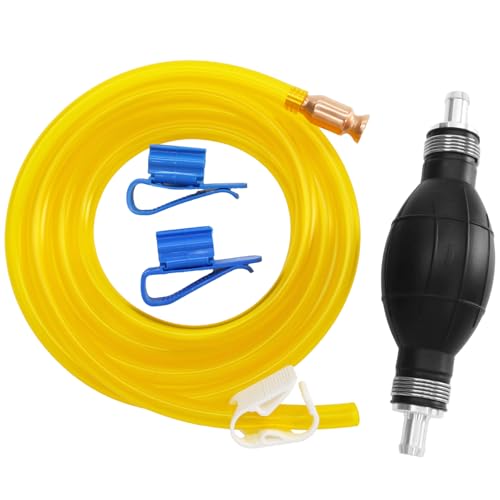
This FACFUEL siphon is designed for gasoline and similar fuels, featuring a 17.5mm outer diameter hose and a 1/2-inch copper head pump. It ships with a 10-foot PVC discharge hose and is built for heat resistance and durability to withstand typical automotive environments. The system is manually operated—no power source needed—and aims to provide fast start-up through a few pumps. It includes clamps to secure hoses, reducing the chance of leaks during transfer.
Key considerations include fuel compatibility, hose durability, and the presence of clamps to prevent leaks. This pump is well-suited for car, boat, and mower fueling tasks where a strong, hand-operated transfer tool is beneficial. It is less ideal for non-fuel liquids or highly caustic substances, and users should follow safety guidelines when handling flammable liquids.
Wadoy Gas/Oil/Water Transfer Siphon

The Wadoy siphon pump is a versatile, multi-use alat designed for gasoline, oil, air, water, and other common liquids. It includes two hoses for flexible reach and is a rubber hand pump intended to start siphoning quickly. The kit’s two hoses provide better reach into containers and various transfer scenarios, making it a strong choice for emergency or everyday liquid transfers around vehicles, tanks, or containers.
Practicalities to note include portability and ease of use, especially in confined spaces. The dual-hose design helps when containers sit in awkward positions. While convenient for many liquids, users should ensure compatibility with the liquids being transferred and avoid highly caustic substances. The kit is a practical all-purpose siphon for garages or toolkits.
Buying Guide: Key Purchase Considerations
Selecting a siphon starter requires balancing ease of use, liquid compatibility, hose length, and maintenance needs. Consider these perspectives to find the best fit:
- Liquid compatibility: Confirm which liquids you plan to transfer. Some siphons are optimized for water and non-caustic substances, while others support fuels, oils, or home-brewing liquids. FDA or food-grade designations can be important for certain uses.
- Hose length and diameter: Longer hoses can reduce siphon efficiency. Check the recommended maximum hose length and ensure the diameter supports your liquid’s viscosity and required flow rate.
- Priming method: Self-priming designs offer quick starts, reducing manual effort. Manual pumps require consistent pumping to maintain flow but can be reliable in power-free scenarios.
- Durability and materials: Brass, copper heads, and high-quality hoses improve longevity in outdoor or automotive environments. Look for corrosion resistance and robust clamps to prevent leaks.
- Flow rate and throughput: If moving large volumes, prioritize higher flow rates. For light garden use, moderate flow is often sufficient without added complexity.
- Safety and cleanability: Devices with back-flow prevention or food-grade components reduce risk of contamination. Consider ease of cleaning, especially for beverage-related uses.
- Portability and storage: Compact, lightweight kits are convenient for on-the-go tasks. A modular kit with foldable hoses is easier to store in a vehicle or garage.
- Assembly requirements: Some siphons ship ready-to-use; others require assembly. Review included components to determine setup time and compatibility with your containers.
In practice, the best choice depends on your primary use case. Gardeners prioritizing simple mixing and inline application may favor a hose-connected mixer like the Hozon Siphon Mixer. Homeowners needing a versatile, portable solution might lean toward the Vila or Wadoy siphons for multi-liquid tasks. Those handling fuels or oils should select models designed for flammable liquids with appropriate clamps and hose materials. Always follow safety guidelines and local regulations when transferring fuels or potentially hazardous substances.