Discover the right shovel for metal detecting across different terrains and targets. This guide highlights five top shovels designed to balance leverage, durability, and portability so treasure hunters can dig efficiently without disturbing sites. Each option emphasizes sturdy materials, ergonomic design, and features tailored to relics, coins, and gold prospects.
| Product | Brand | Type | Key Benefit |
|---|---|---|---|
| Root Slayer 23811 | Root Slayer | Spade | Forward step for leverage |
| ROOT ASSASSIN 35″ | ROOT ASSASSIN | Shovel | Teeth for roots; portable |
| DragonXT 36″ | DRAGONXT | Shovel | Balanced length; versatile use |
| CKG Carbon Metal Detecting Shovel | CKG | Shovel | Lightweight carbon steel |
| DR.ÖTEK Metal Detector Shovel | DR.ÖTEK | Shovel | Double serrated edge; manganese steel |
The following sections profile each shovel, focusing on how its design and features support metal detecting activities—from careful plug cutting to deep root removal—while keeping user comfort and carry options in mind.
Root Slayer 23811 Metal Detecting Spade
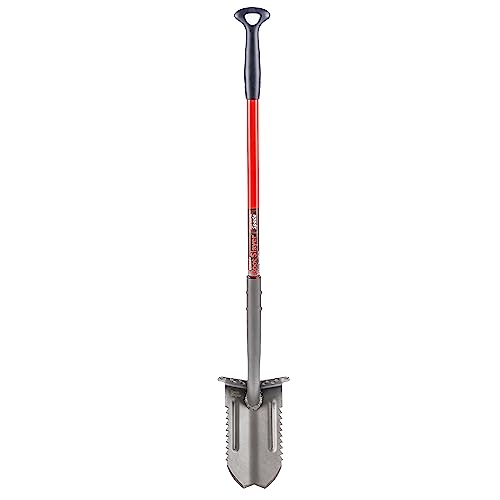
The Root Slayer 23811 is engineered for treasure hunting with a forward step to boost leverage during digging. The blade is sharpened for cleaner plug cuts and easier penetration, while the large foot platform provides stable leverage when removing targets from stubborn soil. This model emphasizes durability and practicality in the field, making it suitable for varied terrains and target depths.
ROOT ASSASSIN 35″ T-Handle Metal Detecting Shovel
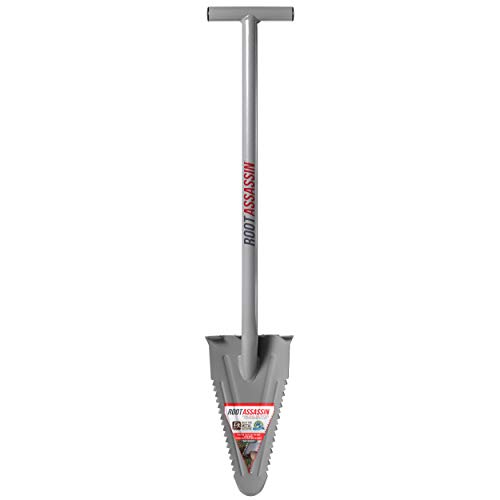
The Root Assassin 35″ shovel focuses on portability and root-cutting capability. Its steel blade can handle roots and obstructions, aided by saw-like teeth for sawing through tough soil layers. The compact blade design makes it easy to transport and store, which is advantageous for backpack-ready treasure hunts or tight excavation spaces.
DragonXT 36″ Shovel for Metal Detecting

DragonXT provides a balanced 36-inch design optimized for relic hunting and coin recovery. At about 3.4 pounds, it offers a favorable weight-to-leverage ratio, facilitating easier long sessions. The robust construction supports rugged use, while the length helps maintain proper posture and reduces strain on the back during deep digs.
CKG Carbon Metal Detecting Shovel
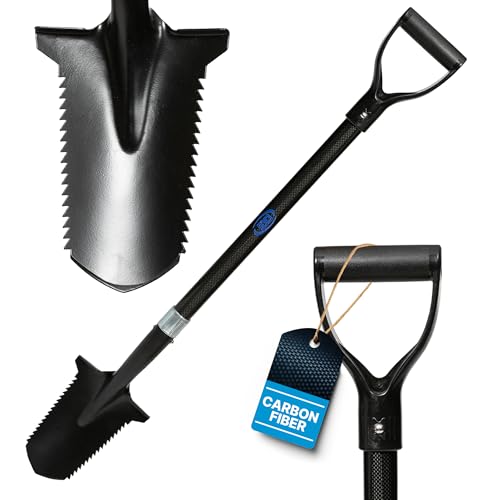
CKG’s carbon metal detecting shovel emphasizes a lightweight yet durable build. The carbon handle reduces fatigue while supporting substantial digging force. The double serrated edge enhances cutting, making it easier to remove roots and debris quickly, which is beneficial when targeting dense or mixed soils during treasure hunts.
CKG Metal Detecting Shovel Digging Tool with Double Serrated Blade
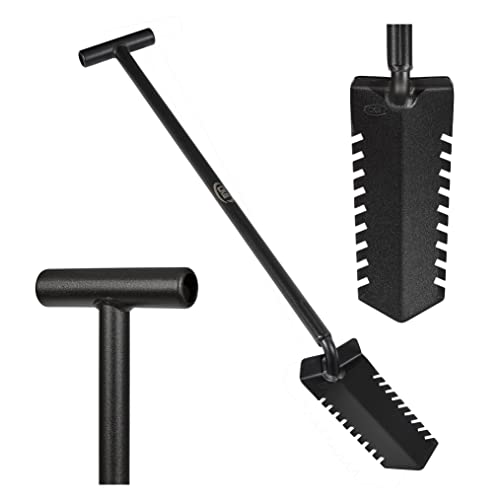
This CKG design focuses on heavy-duty performance with a sharpened edge and pointed tip to quickly remove roots and debris. The double serrated blade aids in cleaner cuts and deeper penetration, making it a versatile option for both garden digging and treasure recovery in tough soils.
CKG Carbon Metal Detecting Set

The CKG set bundles a lightweight carbon spade with a durable handle, designed for efficient digging in multiple environments. It emphasizes portability and reliability, making it a practical choice for hobbyists who require quick setup and easy carry between sites.
CKG Metal Detecting Shovel Digging Tool with Double Serrated Blade
Note: This entry reiterates the benefits of the heavy-duty serrated blade design for efficient digging in challenging soil. The tool supports rapid target exposure, helping operators preserve surrounding context and reduce excavation time during treasure hunts.
Buying Guide: Key Purchase Considerations
- Length and leverage: Longer handles increase leverage and reduce back strain, especially during extended sessions. Look for 35–40 inch models for optimal balance.
- Blade design and serration: A sharp, durable blade with serrated edges improves cutting through roots and dense soil. Double serration adds versatility for varied targets.
- Weight and portability: A lighter shovel reduces fatigue, but must still be sturdy enough to resist bending or breaking under load. Carbon steel offers a strong weight-to-strength ratio.
- Durability and materials: Manganese steel, tempered blades, and heat-treated edges enhance longevity in rough field conditions.
- Ergonomics: T-handle or ergonomic grips reduce wrist strain. A broad foot platform or forward-step design improves stability and leverage during digging.
- Carry and storage: Foldable or compact blade designs ease transport, especially for hikes to remote locations.
- Terrain suitability: For tough soil with roots, choose models with root-cutting teeth or serrated edges. For sandy or loamy soils, a sharp, narrow blade helps with precision digging.
- Included accessories: Some sets come with pouches or sheaths—beneficial for field organization and quick deployment.
In choosing among these options, consider your typical digging depth, target types, and usual terrain. For frequent root-rich sites, a model with teeth and serration provides clear advantages. If weight is a primary concern for long hikes, carbon or lighter steel variants can reduce fatigue while maintaining durability. A longer handle with a forward-step design helps maintain posture over extended digging sessions, which is important for consistent recovery of relics and coins.