The right root-cutting shovel can reduce strain and boost efficiency when tackling stubborn roots and dense soil. This guide highlights five top options designed to slice through roots with minimal effort, featuring inverted V blades, serrated edges, and ergonomic handles. Each pick prioritizes durability, leverage, and user comfort, helping you choose the best tool for garden beds, landscaping, or yard cleanup.
Summary of selected products:
| Product | Brand | Key Feature |
|---|---|---|
| Root Slayer 22011 | Root Slayer | Serrated tip minimizes hand/wrist strain; V-shaped cutting tip |
| Root Slayer 23311 | Radius Garden | Inverted V blade; root-cutting rip teeth; ergonomic O-Handle |
| ROOT ASSASSIN 48″ Garden Shovel/Saw | ROOT ASSASSIN | Serrated blade for roots and weeds; durable D-handle |
| Root Slayer 22511 XL | Root Slayer | Extended shaft for leverage; reinforced fiberglass |
| 32″ Mini Root Assassin | ROOT ASSASSIN | Compact serrated shovel; easy to maneuver |
Root Slayer 22011: Serrated Root Cutting Shovel
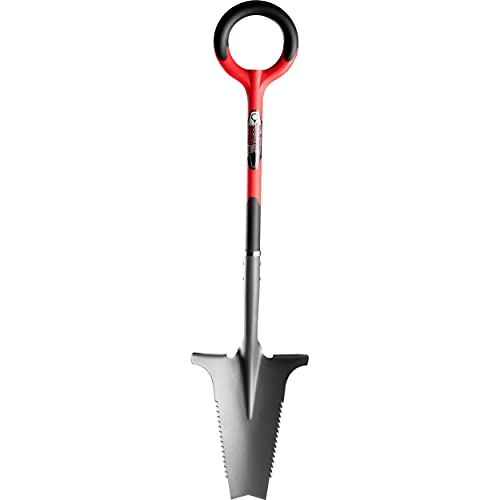
The Root Slayer 22011 combines a serrated shovel with a V-shaped cutting tip, designed to reduce stress on hands and wrists during tough root work. The powder-coated carbon steel blade provides durability for digging through compact soil and stubborn roots. The tool emphasizes leverage and control, making it a strong option for garden beds and landscaping projects where roots are dense or widespread.
Root Slayer 23311: Perennial Shovel With Root Cutting

The Radius Garden Root Slayer Perennial Shovel (23311) features an inverted V cutting blade and root-cutting rip teeth. Its patented ergonomic O-Handle offers enlarged gripping surface for improved leverage while reducing hand and wrist strain. The blade size is adjusted to maintain sharpness and strength while keeping the tool lightweight for longer use in transplanting and root-prone tasks.
ROOT ASSASSIN 48″ Garden Shovel/Saw
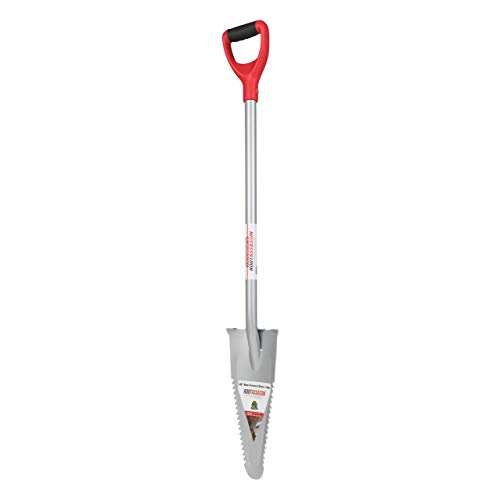
The ROOT ASSASSIN 48″ combines a serrated shovel with a saw-like edge for efficient root and obstruction cutting. Its curved shovel tip is optimized for slaying roots and weeds, and the sturdy D-shaped handle is rubber-coated for comfortable digging. The tool is designed to break through dense soil layers and larger root networks with minimal exertion, making it suitable for tougher yard projects and landscaping tasks.
Root Slayer 22511 XL: Extended Shaft Root Cutter

The Root Slayer 22511 XL extends the shaft to deliver superior leverage and comfort for taller gardeners. It uses an inverted V blade and root-cutting ripsaw teeth to slice through roots and obstructions with ease. The durable powder-coated carbon steel blade and reinforced fiberglass shaft contribute to long-term durability, while the non-latex grips promote comfortable handling during extended sessions.
32″ Mini Root Assassin: Compact Root Cutter

The 32″ Mini Root Assassin provides a compact option with an inverted V-shaped cutting tip and serrated edge. Its lightweight design, along with a powder-coated carbon steel blade and resin-encased shaft, makes it easy to maneuver in tighter spaces or smaller beds while still delivering effective root cutting for garden upkeep and transplant work.
Buying Guide: Key Considerations When Choosing a Root-Cutting Shovel
- Blade design: Look for inverted V tips and serrated edges that enhance root penetration and cutting efficiency. A V-shaped tip helps to pry through dense soil and grab roots more effectively.
- Leverage and length: Longer handles or extended shafts increase leverage, reducing user fatigue during prolonged digging. Assess your height and garden layout to pick an appropriate length.
- Material durability: Powder-coated carbon steel blades resist rust and wear, while fiberglass or reinforced handles provide strength and vibration dampening. Consider tools with rubberized grips for comfort.
- Ergonomics: An ergonomic handle, such as an O-Handle or D-handle, can lessen wrist strain. Ensure the grip surface is comfortable for extended use and provides solid control.
- Weight and maneuverability: Heavier tools offer more cutting power but can tire you quickly. Balance weight with control to fit your typical projects and physical needs.
- Maintenance: Look for stainless or coated blades that require minimal care. Regular cleaning after use helps extend tool life and prevent corrosion.
- Intended tasks: For transplanting and garden beds, prioritize root-cutting teeth and blade geometry designed for roots rather than broad digging only.