Shielding plants from intense sun while preserving airflow is essential for healthy growth. The following shade netting options offer UV protection, durable construction, and easy installation for gardens, greenhouses, chicken coops, and outdoor spaces. This guide highlights five top products and what to consider when selecting shade cloth for your plants, crops, or livestock environments.
| Product | Shade Rate | Size / Coverage | Material | Key Benefit |
|---|---|---|---|---|
| ZOZIJIU Shade Cloth | 70%–90% | 6×3 ft | High density polyethylene (HDPE) | Six-wire sewing, reinforced corners, aluminum grommets every 5 ft |
| Cool Area Shade Cloth | 55% | 6.5×10 ft | HDPE | Long service life, breathable, easy installation |
| FARAER Garden Netting | 30% | 10×33 ft | Ultra-fine mesh HDPE | Protects against birds and small pests while still allowing air and light |
| POYEE Shade Cloth | 40% | 10×20 ft | HDPE | Breathable, durable, UV-resistant |
| winemana Shade Cloth | 70% | 6.6×16 ft | HDPE | Taped edge, reinforced corners, easy to hang |
Below are five carefully selected shade netting options that balance sun protection with airflow, durability, and ease of use across gardens, greenhouses, and animal shelters. Each entry includes installation notes and how it complements plant health and climate control.
ZOZIJIU Shade Cloth 70%-90%
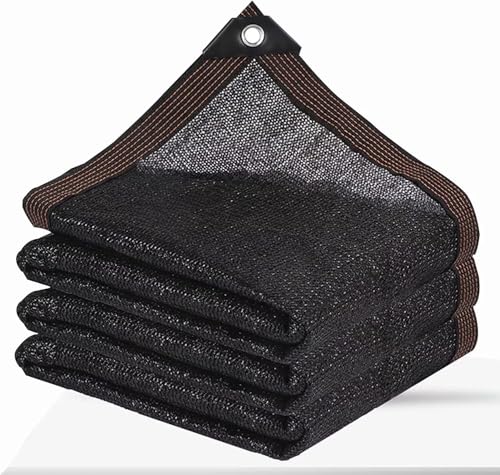
Product overview and features indicate this shade cloth is designed to reduce glare and heat while maintaining airflow for plant leaves and water passage. The mesh is made from lightweight HDPE, offering durability for greenhouse or outdoor use. Six-wire stitching and reinforced corners contribute to long-term resilience, and aluminum grommets along the sides facilitate simple hanging and mounting. The cloth is suitable for use with greenhouses, hoop structures, barns, kennels, and chicken coops, enabling flexible shading across multiple settings without sacrificing water access or airflow.
Cool Area 55% Shade Cloth, 6.5×10 ft

This shade cloth blocks about 55% of sunlight, providing UV protection while preserving air and moisture movement. Its HDPE material emphasizes service life and tear resistance, with a design that supports direct watering without compromising photosynthesis. The product emphasizes durability and weather resistance, making it suitable for use in greenhouses, garden beds, and outdoor shelters where moderate shading is needed without overheating the environment.
FARAER Extra-Fine Garden Netting 10×33 ft

FARAER’s ultra-fine mesh (0.67 mm x 1 mm) provides strong defense against birds and small pests while still allowing air, water, and light to pass. The netting’s 30% sunblock helps reduce heat in vegetable gardens, orchards, and hoop structures. It’s designed for flexibility in use—great for row covers on crops, greenhouses, kennels, or animal housing—while keeping leaves and debris at bay. The mesh supports plant health through ongoing ventilation and direct irrigation without removal.
POYEE 40% Shade Cloth for Gardens
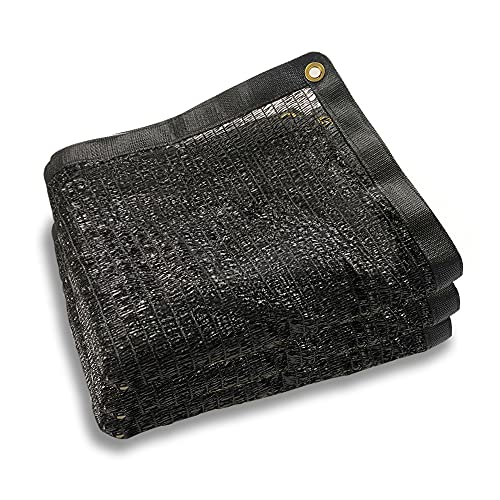
POYEE offers a 40% shade cloth designed to balance light filtration with cooling in outdoor spaces, greenhouses, patios, and animal shelters. The breathable HDPE fabric supports airflow and irrigation, helping to regulate temperature and prevent sunburn on plants. Lock-stitch knitting, reinforced corners, and grommets along reinforced edges contribute to durability and easy hanging. It suits gardeners seeking moderate shade without heavy heat buildup.
winemana 70% Shade Cloth 6.6×16 ft
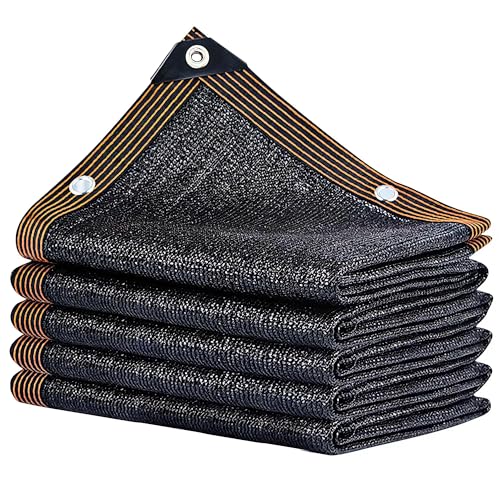
winemana’s 70% shade cloth provides substantial sun protection with a 6.6×16 ft footprint. The fabric is HDPE—durable and lightweight—with a taped edge and reinforced corners for enhanced strength. It’s designed to block a major portion of sunlight while still allowing air movement, making it suitable for greenhouses, patios, and chicken coops. The tape edge and sturdy construction simplify installation across larger areas or shelters that require strong, long-lasting shade solutions.
Buying Guide: Key Considerations For Shade Netting
- Shade rate and plant needs: Higher shade percentages reduce heat and light, which can protect sensitive plants but may limit photosynthesis for sun-loving varieties. Choose 40–70% for most gardens; 55–70% for hot climates or greenhouses;
- Material and durability: Look for UV-stabilized HDPE with reinforced edges or grommets. Durable shade cloth resists tearing, fraying, and wear from wind or rainfall;
- Ventilation and water passage: Select meshes that maintain airflow and allow irrigation—this supports plant health and reduces water stress;
- Size and installation: Consider the area to shade and mounting options. Grommets every 40–60 inches or 5 ft enable flexible hanging from frames or pergolas;
- Multi-use suitability: If shading for poultry or livestock, ensure the material is robust against wind and resistant to moisture without shedding fibers;
- Maintenance: Most shade cloths are washable or hose-cleanable. Check for mildew resistance and ease of maintenance when selecting;
- Seasonal adaptability: In climates with varying sun intensity, versatile options that balance shade and airflow across seasons are advantageous.
Selecting shade netting involves balancing sun protection, airflow, durability, and installation ease. For vegetable gardens, a mid-range shade rate with strong airflow often yields the best results, while greenhouses may benefit from higher shade levels paired with reliable water passage. When protecting animals or poultry, prioritize dense mesh and reinforced construction to withstand exposure and weather.