Growing sesame at home offers a tasty harvest and supports pollinators. This guide highlights five sesame seed lots suitable for planting, covering germination tips, care, and harvest ideas. Each entry includes practical steps to maximize germination, yield, and flavor in American gardens.
Product Overview
| Product | Brand | Seed Type | Notes |
|---|---|---|---|
| Organic Monticello Sesame Seeds | Smoke Camp Crafts | Monticello Sesame Seeds for Planting | Pollinator-friendly, zones 10+, 90–130 days to maturity |
| Black Sesame Seeds for Growing | Marde Ross & Company | Black Kurogoma Sesame Seeds | Direct sow or start indoors, harvest when pods split |
| White Sesame Seeds for Growing | Marde Ross & Company | White Sesame Seeds | Non GMO, neonicotinoid-free seed |
| Yupik Raw Black Sesame Seeds | Yupik | Black Sesame Seeds | Gluten-free, kosher, vegan; great baking and topping |
| Elan Organic Sesame Seeds | Elan | Organic Sesame Seeds | Non-GMO, vegan, gluten-free; versatile culinary use |
Organic Monticello Sesame Seeds For Planting

These Monticello sesame seeds are described as edible and suitable for planting. They are an annual plant that thrives in warm conditions and can attract pollinators such as bees and butterflies. Germination is best at 80–90°F, with seedlings usually appearing within 7–14 days. The plants generally reach maturity in 90–130 days and can withstand light frost down to 35°F. Each plant can produce 1–3 tablespoons of sesame. Ideal growing spaces are full sun with well-draining soil, spaced 2–3 feet apart. This seed lot supports edible harvests and garden pollination.
Growing tips: begin indoors or direct-sow after soil warms. Maintain consistent moisture, especially during seedling establishment. Support plants as they mature, and monitor for heat stress in peak summer. Harvest seeds when seedcapsules dry and split. Store seeds in a cool, dry place in an airtight container for best shelf life.
Black Sesame Seeds For Planting
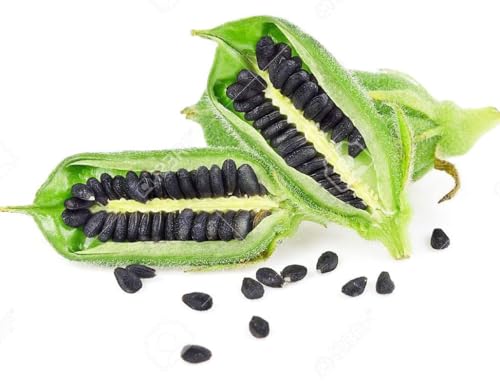
Black sesame seeds for growing are offered with guidance for both indoor starting and outdoor transplanting. The recommended approach is to start seeds indoors about six weeks before the last frost, planting them 1/2 inch deep. After the danger of frost passes, transplant outside or direct seed into warm, fertile, and well-drained soil. Keep soil consistently moist and provide light fertilization as needed. Harvest ripe pods when the tips split, and dry thoroughly on a tray or rack. After threshing, store seeds in an airtight container in a cool place.
Germination is typically straightforward with sesame in warm conditions. For best yields, ensure full sun and proper spacing to prevent competition for nutrients. Black sesame varieties often have strong flavor implications for culinary uses and can be a striking addition to a home garden.
White Sesame Seeds For Planting

White sesame seeds for planting are described as sowing-friendly and easy to care for. This option notes that seeds can be sown and lightly covered with soil. The seeds are non-GMO and neonicotinoid-free, which aligns with garden-friendly practices. White sesame plants can be grown in warm climates with ample sun and well-draining soil. Maintain consistent moisture during germination and early growth, then taper watering as the plant matures to prevent root rot. Harvest once pods dry and begin to split, then dry and store seeds properly.
Yupik Raw Black Sesame Seeds

Yupik Raw Black Sesame Seeds are billed as gluten-free, kosher, vegan, and non-GMO. They provide a compact option for home gardeners focusing on black sesame varieties. While selling as edible seeds, similar guidance applies for planting: start seeds indoors if the climate is cooler, or direct sow after soil warms. Ensure soil is well-draining and evenly moist. The seeds can contribute to a flavorful harvest for cooking and baking, and seed storage should be in a cool, dry place to maintain quality.
Elan Organic Sesame Seeds

Elan Organic Sesame Seeds are described as non-GMO, vegan, and gluten-free. They are suitable for topping and cooking, highlighting their versatile culinary use. For planting, use a warm, sunny location with well-draining soil. Start seeds indoors if needed, then transplant after the danger of frost passes. Maintain even moisture and provide nutrients as the plants grow. Harvest when seedpods mature and dry, then dry thoroughly before storage. Organic certification may appeal to gardeners seeking certified organic inputs.
Buying Guide
- Germination climate: Sesame seeds germinate best in warm soil. Aim for soil temperatures in the 70s to 80s Fahrenheit during emergence.
- Indoor vs outdoor starting: In cooler regions, start indoors before transplanting. In warmer zones, direct sow after the last frost.
- Soil and drainage: Choose well-draining soil rich in organic matter. Sesame dislikes waterlogged roots; ensure good drainage.
- Sun exposure: Full sun is essential for robust growth and good seed production.
- Spacing: Plant seeds or transplants with ample space (about 2–3 feet apart) to prevent competition and promote airflow.
- Pollinators: Sesame plants attract pollinators; consider placing them where they can benefit nearby flowering plants.
- Harvest timing: Seed pods mature and split when seeds are fully developed. Harvest promptly to prevent seed loss from shattering.
- Storage: Dry seeds thoroughly and store in airtight containers in a cool, dark place to preserve flavor and nutrition.
- Organic and labeling: If you prefer organic inputs, verify certifications on seed packaging and choose non-GMO varieties when possible.
- Culinary uses: Sesame seeds are versatile for baking, topping, oil extraction, and flavoring; plan harvest timing to align with kitchen needs.
In summary, the five sesame seed options shown here cover a range of growing styles and culinary aims. Whether prioritizing pollinator support, flavor, or organic certification, each seed lot offers practical steps for successful home cultivation and tasty harvests.