Growing your own bean sprouts and microgreens at home is a simple way to add fresh nutrition to meals. The right seeds ensure fast germination, robust sprouts, and clean flavor. This guide highlights five highly-rated sprouting seed options that are well-suited for American kitchens, whether you’re growing in jars, trays, or small indoor gardens. Each selection emphasizes non-GMO or organic origins, reliable germination, and great taste, helping you build a steady, nutrient-dense supply of greens.
Product Overview
- Nature Jim’s Sprouts Mung Bean Sprouting Seeds – Non-GMO Mung Beans for Sprouting
- HOME GROWN Mung Beans Seeds Pack – 1.5 lb for Sprouting and Microgreens
- Nature Jim’s Sprouts 3 Bean Seed Mix – Certified Organic Green Pea, Lentil, Adzuki
- Nature Jim’s Sprouts Organic Salad Mix – Non-GMO Microgreen Seeds
- Organic Mung Bean Sprout Seeds (16 oz) – Non-GMO Heirloom
The following selections are organized to cover a range of sprouts—from mung beans to mixed seed blends—so you can tailor your indoor gardening to your flavor preferences and nutritional goals. Each product section includes a clickable Amazon link, a visual image, quick highlights drawn from the listed features, and practical notes on growing results and uses.
Nature Jim’s Sprouts Mung Bean Seeds

These mung bean seeds are specifically processed for sprouting, emphasizing top-quality seed stock designed to deliver crisp, nutritious sprouts. They’re a natural source of fiber, vitamins, minerals, and enzymes, making them a convenient addition to salads, wraps, and stir-fries. The seeds are described as a premium sprouting option, ideal for home gardens that prioritize fresh, at-home nutrition. Expect a reliable germination rate with clean, mildly sweet mung bean sprouts that pair well with garlic, sesame, and chili flavors.
Growing notes: Soak seeds overnight, rinse regularly, and harvest sprouts in 2–5 days. They’re forgiving for beginners and compatible with jar or tray systems. The bag is resealable, helping maintain freshness for subsequent batches. This selection is well-suited for households seeking a steady supply of classic mung sprouts rich in texture and nutrition.
HOME GROWN Mung Beans Seeds Pack

This 1.5-pound bag provides a substantial supply of mung bean seeds for sprouting or microgreens, making it a practical choice for busy households or small home kitchens. The pack notes over 15,000 seeds, underscoring the potential for many harvest cycles. Mung sprouts typically appear in 2–5 days with minimal effort—no soil required. The seeds also support microgreen growth, where you can harvest tender shoots in roughly 7–10 days with a sweet, nutty flavor that complements a variety of dishes.
Growing notes: Perfect for indoor setups, jars, and trays. Soak, rinse, and stack, then harvest fresh sprouts or microgreens. The large quantity reduces the need for frequent restocking and helps ensure a steady supply for families that enjoy sprouts in daily meals.
Nature Jim’s Sprouts 3 Bean Seed Mix

This three-seed mix combines green peas, lentils, and adzuki beans to deliver a varied nutrient profile with fiber, protein, minerals, and vitamins. The mix is described as certified organic and non-GMO, supporting immune and heart health with antioxidants. Sprouting times are typically rapid, and the blend is suitable for both indoor and outdoor cultivation, making it a flexible option for beginners and seasoned sprouters alike. The flavor is versatile, lending itself to salads, wraps, and fresh bowls with bright, earthy notes.
Growing notes: Mix seeds germinate well in jars or trays without soil. Expect multiple harvests from the same batch as you rotate sprouts. The inclusive blend is convenient for those seeking variety in texture and taste without managing multiple single-seed bags.
Nature Jim’s Sprouts Organic Salad Mix
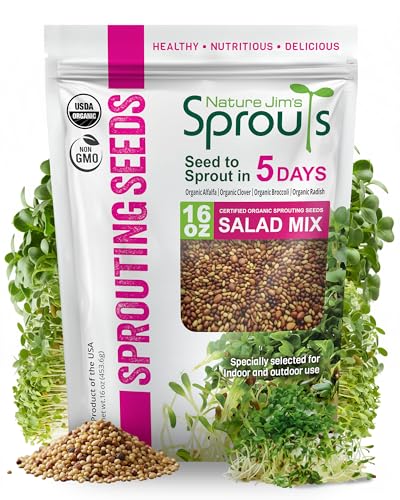
This organic salad mix blends broccoli, alfalfa, radish, and clover seeds to create a colorful, nutrient-dense microgreen harvest. The seeds are certified organic and non-GMO, offering peace of mind for health-conscious growers. Microgreens from this mix can mature in as little as five days, delivering a bright, peppery, and slightly sweet flavor that enhances sandwiches, bowls, and garnishes. The mix is designed for quick success, even for new gardeners, with straightforward care in jars or trays.
Growing notes: Ideal for rapid microgreen production, this mix is well-suited for kitchen windowsills and small grow spaces. Harvest at the first true leaves stage for the best texture and flavor. The variety makes it easy to rotate greens and keep a steady stream of fresh greens on hand.
Organic Mung Bean Sprout Seeds
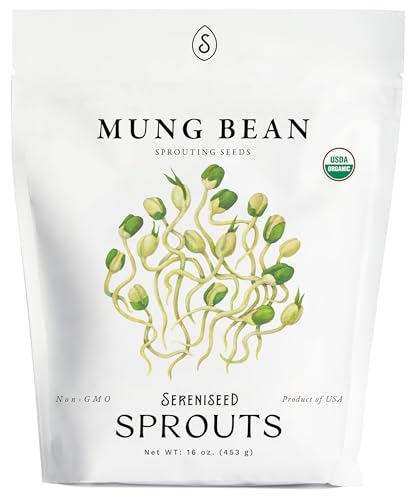
These mung bean sprout seeds emphasize organic and non-GMO quality, with Oregon Tilth certification and pathogen testing for added safety. Sourced in the USA, they are positioned as a reliable choice for health-focused sprouters. Mung beans are noted for fiber, antioxidants, and vitamin C, contributing to a nutrient-dense sprout. The seeds are stored in climate-controlled conditions to support high germination rates, making them a solid option for steady sprouting results and consistent flavor in sprouts and microgreens.
Growing notes: Use jars or trays for indoor sprouting, following standard soaking, rinsing, and draining routines. The organic certification adds confidence for cooks prioritizing natural and sustainable gardening practices.
Variety Pack Sprouting Seeds

This variety pack includes broccoli, alfalfa, radish, mung beans, and a salad mix across ten packs, offering premeasured seeds designed for convenient jar or tray use. All seeds are non-GMO, and each pack provides a quarter-pound of seeds, simplifying portion control and batch planning. The blend supports a broad spectrum of flavors and textures, from peppery radish sprouts to mild alfalfa microgreens, enabling a diverse indoor harvest with minimal effort.
Growing notes: Premeasured packs reduce guesswork and waste, especially for new sprouters. The mix is suitable for both jar and tray systems, allowing you to experiment with multiple sprouts without sourcing independently.
Buying Guide: Key Considerations For Sprouting Seeds
- Non-GMO and Organic Status: If you prioritize health and sustainability, verify organic certifications or non-GMO labeling to ensure seeds align with your values and dietary goals.
- Seed Purity and Freshness: Fresh, high-purity seeds germinate more reliably. Look for resealable bags and clear packaging that protects seeds from moisture and light.
- Germination Time And Flavor: Different sprouts mature at different rates. Mung beans and alfalfa are quick; broccoli and radish offer distinct flavors that suit various meals. Consider your meal planning needs when selecting blends or single-seed options.
- Growing Medium and Method: Most seeds are suitable for jars or shallow trays with minimal to no soil. If you want microgreens, check whether the mix is appropriate for soil or hydroponic setups and whether it yields robust greens in 5–10 days.
- Storage And Shelf Life: Temperature-controlled storage helps maintain germination rates. A cool, dry place with a sealed bag reduces humidity exposure and extends seed life.
- Flavor And Culinary用途: Consider your preferred use, whether you want mild sprouts for sandwiches or peppery radish sprouts for salads. Mixed seed packs offer variety, while single-seed options provide consistent flavor.
- Safety And Cleanliness: Choose seeds that are tested for pathogens or certified organic to minimize contaminants. Proper washing and rinsing after sprouting improves safety and taste.
When selecting seeds for bean sprouts, prioritize combinations that fit your kitchen space and schedule. A mix of single-seed mung beans for quick, classic sprouts plus a few multi-seed blends for variety can create a versatile, year-round indoor garden. Monitor germination closely and adjust soaking times to match your environment to maximize yield and flavor consistency.