Seaweed and fish emulsion fertilizers offer a natural, organic approach to feeding vegetables, flowers, and lawns. This guide highlights five reliable options and explains who each product best serves, plus practical usage tips. Ideal buyers include organic gardeners seeking slow, steady nutrient release; container gardeners needing easy-to-use formulas; and homeowners wanting safe, pet-friendly plant foods.
| Product | |||
|---|---|---|---|
| Neptune’s Harvest Fish & Seaweed Liquid Fertilizer (2-3-1) – 18 oz | Liquid fertilizer | Small gardens and indoor plants | Great starter size; versatile for soil drench or foliar feed |
| Neptune’s Harvest Fish & Seaweed Liquid Fertilizer (2-3-1) – 36 oz | Liquid fertilizer | Medium outdoor beds and lawns | Same formula, larger volume for broader use |
| GS Plant Foods Liquid Fish & Kelp Fertilizer – (1 Gallon) | Liquid fertilizer | Organic gardens requiring OMRI-listed input | Seaweed plus fish hydrolysate; OMRI listed |
| Neptune’s Harvest Fish & Seaweed Liquid Fertilizer – 1 Gallon | Liquid fertilizer | Larger landscapes and established gardens | Comprehensive coverage; consistent feeding |
| Bloom City Seaweed and Kelp Fertilizer – 32 oz | Seaweed/fucoid fertilizer | Root growth and stress tolerance | Pure seaweed-based with kelp |
Introduction to products and their fit for different buyers follows. Each product section explains why the item was chosen, who should choose it, and a practical limitation to consider.
Neptune’s Harvest Fish & Seaweed Liquid Fertilizer (2-3-1) – 18 oz
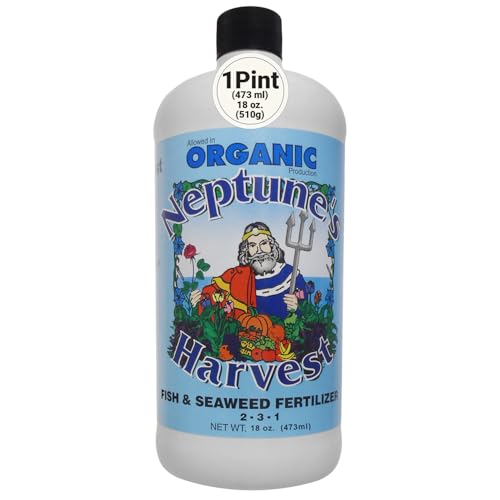
Best for: small gardens, indoor plants, and beginner gardeners seeking a simple, versatile feed. This formula blends 75% fish with 25% seaweed, delivering a balanced nutrient mix that supports steady growth. The liquid format makes it easy to apply as a soil drench or foliar feed, suitable for transplants or established plants. Its plant-ready nutrients promote better flavor in produce and brighter color in flowers, making it a reliable all-purpose option.
Why chosen: The 2-3-1 ratio and hydrolyzed fish plus seaweed combination provide a broad spectrum of macro and micronutrients. Easy usage instructions (1 oz per gallon of water; weekly indoor feeding; outdoor every 1–2 weeks) suit varied schedules and plant needs. The product is marketed as safe for kids and pets, appealing to households with children and animals.
Limitations: Some users may prefer larger quantities for extensive landscapes, and there is a mild odor common to fish-based fertilizers. For sensitive houseplants, begin with a diluted ratio to monitor response.
Neptune’s Harvest Fish & Seaweed Liquid Fertilizer (2-3-1) – 36 oz

Best for: outdoor beds, vegetable patches, and medium-sized lawns. This is the same blend as the 18 oz bottle but in a larger volume, lowering the per-ounce cost for bigger gardens. It supports balanced growth across vegetables, trees, and flowers, with consistent feeding throughout the growing season.
Why chosen: The product’s balanced blend of fish and seaweed provides nourishment that enhances flavor and flower color while fostering robust plant development. It’s easy to apply and flexible for soil drenches or foliar feeding, making it a reliable, scalable option for expanding gardens.
Limitations: May require more frequent ventilation in enclosed spaces due to odor concerns typical of fish-based fertilizers; consider outdoor application or well-ventilated areas for indoor use.
GS Plant Foods Liquid Fish & Kelp Fertilizer – (1 Gallon)

Best for: OMRI-listed organic gardens seeking a trusted, soil-friendly fertilizer. The blend combines North Atlantic seaweed and fish hydrolysate to deliver natural plant nutrition while supporting soil microbiology and nutrient uptake.
Why chosen: OMRI listing adds a transparent organic credential, appealing to gardeners prioritizing certified organic inputs. The seaweed and fish combination supports a healthy soil ecosystem and resilient growth, especially in nutrient-poor soils.
Limitations: Being an organic blend, results may be slower to appear than synthetic inputs; allow time for soil microbiology to respond and avoid over-application which can lead to fertilizer burn in sensitive plants.
Neptune’s Harvest Fish & Seaweed Liquid Fertilizer – 1 Gallon

Best for: larger gardens, landscape beds, and ongoing lawn maintenance. This gallon improves efficiency for frequent feeding schedules while maintaining the same 2-3-1 nutrient profile.
Why chosen: It provides the same proven nutrient balance in a larger format, ideal for homeowners with multiple planter areas or frequent seasonal feeds. The product supports flavor and color improvements across a wide range of plant types and is compatible with soil drenches or foliar feeds.
Limitations: Similar to smaller sizes, odor considerations apply—outdoor use is generally preferable to minimize indoor smell. Always follow dilution guidelines to avoid potential plant sensitivity.
Bloom City Seaweed and Kelp Fertilizer – 32 oz

Best for: root development and stress tolerance in plants, particularly in containers or beds needing strong root systems. This formula leans heavily on seaweed and kelp sources to boost natural nutrition and resilience.
Why chosen: Seaweed-based products support robust root growth and improved nutrient uptake, which translates into healthier, more vigorous plants. The emphasis on root development is beneficial for transplant establishment and drought resilience in outdoor plantings.
Limitations: This product focuses on seaweed-derived nutrition; users seeking a large amount of fertilization in a single application may want additional complementary inputs for a fuller macro-nutrient mix.
Buying Guide: Seaweed And Fish Emulsion Fertilizers
What to look for when choosing
Nutrient ratio: The 2-3-1 formulation indicates higher nitrogen relative to phosphorus and potassium, which supports leaf and overall growth. For fruiting or flowering emphasis, consider products with balanced or slightly higher potassium for bloom development.
Source materials: Fish hydrolysate and seaweed extracts provide plant-ready nutrients. OMRI listings indicate organic compatibility; if you garden organically, choose OMRI-listed options.
Application method: Liquid fertilizers are versatile, usable as soil drenches or foliar sprays. Check dilution guidelines to prevent leaf burn or overfeeding, especially for sensitive species or new transplants.
Volume versus cost: Larger bottles reduce per-ounce cost, but assess how quickly you’ll use the product. For small spaces or apartment gardening, smaller bottles may be more practical.
Odor considerations: Fish-based products have distinct smells; plan outdoor applications or ensure good ventilation when used indoors. Odor typically diminishes after drying or with adequate watering-in.
How to apply effectively
- For indoor plants: mix suggested amounts in water and feed weekly.
- For outdoor plants: alternate every 1–2 weeks, depending on plant type and growth stage.
- Use as a soil drench at transplant time to encourage establishment.
- Consider starting with a diluted solution to monitor plant response.
Best use cases by plant type
- Vegetables: steady nutrient supply improves yield and flavor.
- Flowers: enhanced color and vigor when applied at the right growth stage.
- Lawn and trees: supports sustained growth and resilience with periodic feeding.
- Indoors: convenient for potted plants and small spaces, with attention to dilution.
Practical tips for choosing between products
- Choose larger volumes if you have a multi-bed garden or plan to feed frequently.
- Pick OMRI-listed options for organic gardening commitments.
- Consider seaweed-only products if you want to emphasize root health and stress tolerance.
- Prefer mixed fish-seaweed blends for a balanced nutrient profile and color improvements in blooms and fruit.
FAQ
- Q: Are seaweed and fish emulsions safe for vegetables and edible plants?
A: Yes, when used as directed, many products are designed for use on vegetables, fruits, and ornamentals. Always follow dilution guidelines to prevent overfeeding. - Q: Can I use these fertilizers with other garden products?
A: They can be part of a broader feeding plan, but avoid overloading soil with nitrogen. Space applications appropriately and monitor plant response. - Q: Do these products require rinsing after application?
A: Generally no rinse is required; water in after application as directed to help uptake and reduce odors. - Q: Are there any safety concerns for pets or kids?
A: Some products are marketed as safe for kids and pets. Still, keep applications out of reach until the solution is absorbed and the soil dries. - Q: How often should I fertilize outdoors?
A: Typical outdoor schedules range from every 1–2 weeks during active growth to less frequent applications during dormancy, depending on plant needs and soil conditions.