Drip irrigation systems rely on clean water to prevent emitter clogs and uneven watering. Sand media filters and inline Y filters remove sand, debris, and sediment that can harm performance. This guide reviews five top-rated filters designed for drip setups, comparing filtration capacity, mesh options, compatibility, and maintenance needs so you can choose the right fit for your garden or farm.
| Product | Brand | Key Benefit | Mesh Option | Typical Use |
|---|---|---|---|---|
| Drip Depot Irritec 3/4″ Hose Thread Filter | Drip Depot | Reliable inline filtration for drip systems | Not specified | Residential/Small-scale irrigation |
| DIG P09-155 3/4″ FHT X MHT Inline Y Filter | DIG | High filtration performance; durable 155/200 mesh options | 155 or 200 mesh polyester | Drip emitters, micro sprinklers, misting |
| One Stop Outdoor 3/4″ Drip Filter Y Filter | One Stop Outdoor | Large filtration area with low pressure loss | 155 mesh | Drip irrigation and micro sprinkler systems |
| Glooglitter 1 Pcs Drip Irrigation Inline Y Filter | Glooglitter | Broad filtration with larger surface area | 3/4″ mesh options (unspecified) | Garden, greenhouse, hydroponics |
| Glooglitter 2 Pcs Drip Irrigation Inline Y Filter | Glooglitter | Comprehensive setup with multiple filters | 2 screens per filter | Home gardens, greenhouse installations |
Note: The table above highlights the core features and application areas. Each product section below expands on how the filter works in a drip irrigation context, helping you align filtration strength with system pressure and emitter types.
Drip Depot Irritec 3/4″ Hose Thread Filter
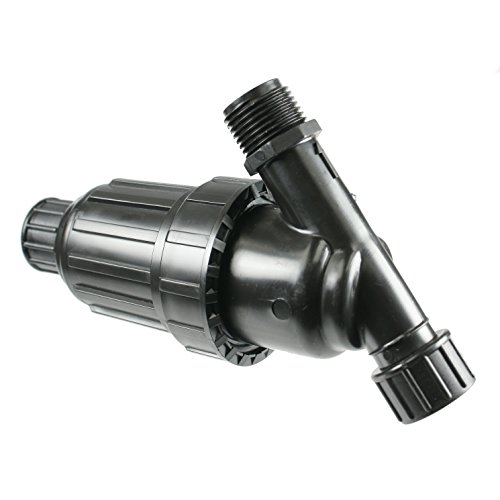
The Drip Depot Irritec inline filter provides straightforward, inline filtration for drip irrigation lines with 3/4″ hose thread compatibility. It is designed to help prevent sand and debris from reaching emitters, reducing maintenance needs and improving run times. With simple installation and a compact footprint, this filter supports typical residential drip setups where space and ease of retrofit are priorities.
DIG P09-155 3/4″ Inline Y Filter
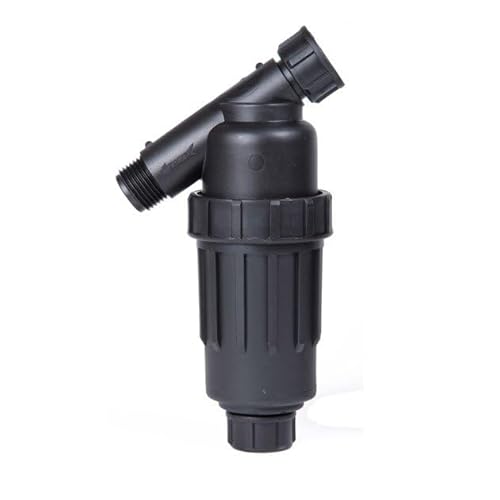
DIG offers an all-purpose inline Y filter intended to capture sand, debris, and sediment before water reaches emitters. Available with 155 or 200 mesh polyester screens, this filter suits drip systems requiring robust filtration and reliable backflush capability. Its larger filtration surface reduces cleaning frequency and minimizes pressure loss, supporting consistent flow for longer irrigation cycles.
One Stop Outdoor 3/4″ Drip Filter Y Filter

This 3/4″ Y filter from One Stop Outdoor is built for resilience in drip irrigation networks. Its Y-shaped inline design and a large filtration area help reduce pressure loss while maintaining effective filtration across longer irrigation runs. The 155 mesh screen offers solid protection for emitters, micro sprinklers, and valves at a reasonable maintenance cadence.
Glooglitter 1 Pcs Drip Irrigation Inline Y Filter
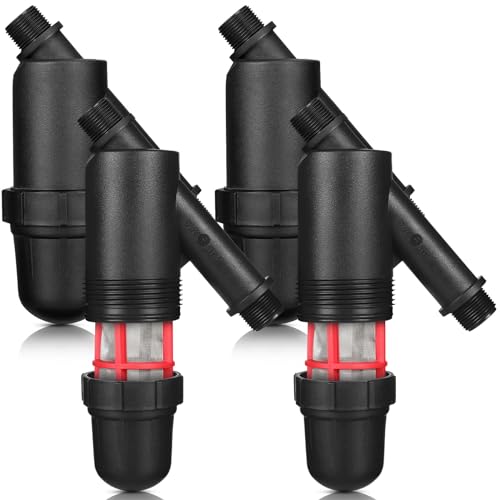
The Glooglitter inline Y filter includes a comprehensive setup with two mesh screens and a 3/4″ male thread. Its larger filtration surface area helps slow down clogging from sand and sediment, contributing to longer intervals between cleaning. It is suitable for garden beds, greenhouse layouts, and basic hydroponics systems where reliable filtration is critical.
Glooglitter 4 Pcs Drip Irrigation Inline Y Filter
For larger installations or higher filtration needs, the Glooglitter four-pack provides multiple inline Y filters, each with 4 mesh screens. The repeated configuration supports modular filtration across longer pipelines or multi-zone systems. The Y-shaped design and 3/4″ connections maintain compatibility with common drip components while delivering reduced maintenance frequency and enhanced protection against clogs.
Buying Guide: Sand Media Filters For Drip Irrigation
Choosing the right filter involves weighing filtration strength, maintenance cadence, and system compatibility. Consider the following factors to make an informed decision:
- Filtration mesh and sediment capture: Higher mesh (e.g., 155–200) captures finer particles but may require more frequent cleaning or backflushing. Assess sediment types in your water source to select an appropriate mesh.
- Flow rate and pressure: Match the filter’s flow capacity with your irrigation demand. Filters should not create significant pressure loss, especially in longer runs or zones with higher emitter counts.
- Filtration area and cleaning interval: Larger filtration surfaces extend cleaning intervals. Inline Y filters typically balance surface area with compact installation, making them suitable for space-constrained setups.
- Material compatibility: Ensure screens and housings resist common irrigation chemicals and are suitable for the water temperature range of your system.
- Maintenance approach: Backflushing capability, ease of disassembly, and availability of replacement screens influence long-term operating costs and downtime.
- System scale: For small gardens, a single inline filter might suffice; larger beds or multi-zone systems can benefit from multiple inline filters or a modular kit approach.
- Installation constraints: Consider connections (3/4″ hose thread or FHT/MHT) and compatibility with existing emitters, valves, and drip lines.
In summary, the best sand media filter choice for drip irrigation depends on your water quality, system size, and maintenance preference. Inline Y filters with larger filtration surfaces tend to offer robust protection against sand and sediment, while filter kits with multiple units provide flexible, scalable filtration for larger installations.