Choosing the right sand for a saltwater or reef tank helps stabilize pH, supports beneficial bacteria, and creates a natural-looking environment for corals and fish. Below are five selected sands from trusted brands, each offering unique buffering, purity, and particle sizes. This guide explains how they work, what to expect in your tank, and how to pick the best option for your marine setup.
Summary of chosen products: Aqua Natural Oolitic Aragonite 10 lb; Aqua Natural Sugar White Sand 10 lb; CLASSIC SAND & PLAY Natural Aquarium Sand 20 lb; Aqua Natural Oolitic Aragonite 20 lb; Coarse Aragonite 10 lb. Each product highlights buffering capacity, calcium carbonate content, and sustainable sourcing where noted. Use the table below as a quick reference for substrate type, size, and intended tank use.
- Aqua Natural Oolitic Aragonite 10 lb — Aragonite, reef/saltwater, pH buffering, sustainable source.
- Aqua Natural Sugar White Sand 10 lb — Fine silica-free sand, clean substrate, minimal drift.
- CLASSIC SAND & PLAY Natural Aquarium Sand 20 lb — Pre-washed, suitable for freshwater and saltwater, supports filtration.
- Aqua Natural Oolitic Aragonite 20 lb — Larger quantity, same buffering benefits, reef-ready.
- Coarse Aragonite 10 lb — Higher porosity, strong buffering, suitable for diverse saltwater setups.
Aqua Natural Oolitic Aragonite 10lb Aquarium Sand

Aqua Natural’s oolitic aragonite sand is designed for reef and marine tanks, offering high purity with about 98% calcium carbonate. Its buffering capacity helps stabilize pH around 8.2, supporting delicate corals and invertebrates. The material is described as naturally renewable from a sustainable source, aligning with eco-conscious aquarists. This option is particularly well-suited for established systems needing steady mineral balance and a realistic aragonite texture in the substrate.
Aqua Natural Sugar White Sand 10lb Substrate

This sand is triple washed and kiln dried to reduce toxins and foreign matter, delivering a clean, 100% natural substrate. The 0.5–1 mm grain size minimizes clouding and keeps dust down, which helps maintain water clarity. Ethically sourced under license from New Zealand, the Sugar White Sand is designed to stay put in the tank and provide a pristine backdrop for rockwork and marine life without introducing unwanted fines into the filtration system.
CLASSIC SAND & PLAY Natural Aquarium Sand 20 lb

This fine sand is pre-washed and kiln dried to remove impurities, enhancing compatibility with both freshwater and saltwater setups. It helps improve filtration by providing a stable substrate that supports beneficial bacteria while offering a neutral backdrop for colorful fish and live plants. The product emphasizes animal and plant safety, ensuring it is suitable for a wide range of tank inhabitants and decor.
Aqua Natural Oolitic Aragonite 20lb Aquarium Sand
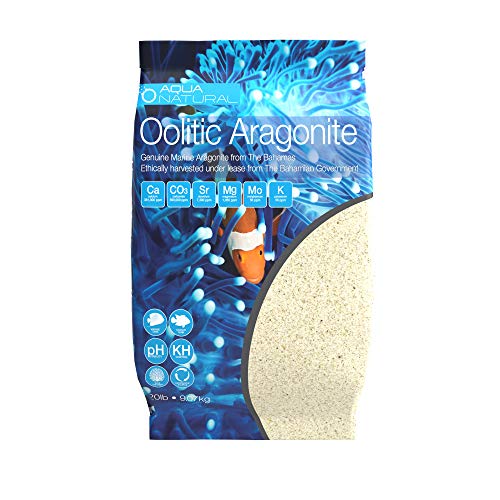
This larger bag mirrors the 10 lb option with the same buffering advantage, maintaining a stable pH near 8.2 due to its high calcium carbonate content. Its oolitic aragonite composition is favored in reef environments where mineral balance and porosity support nitrate and phosphate processing teamed with aesthetic appeal. For larger tanks or longer setup horizons, the 20 lb size is particularly convenient and cost-effective.
Coarse Aragonite 10lb Sand
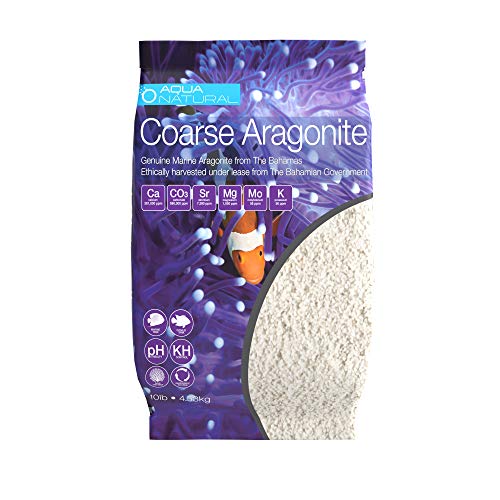
Coarse aragonite provides a different substrate texture with higher porosity, which can support more robust biological filtration and gas exchange in marine tanks. The product emphasizes a stable pH of around 8.2 and purity with no impurities, making it a reliable choice for reef setups that require durable sand with practical depth and minimal fines. It pairs well with live rock and aggressive invertebrates that benefit from enhanced water flow through a coarser grain.
Buying Guide: Key Purchase Considerations
- <strong Particle size and texture: Fine sands (0.5–1 mm) minimize clouding but may compact over time, while coarse sands increase porosity and flow but can be rough on delicate organisms. Reef tanks often benefit from medium to coarse grains that promote beneficial bacteria and water movement.
- <strong Buffering and mineral content: Aragonite-based sands supply calcium carbonate and carbonate buffering, helping maintain stable pH. If buffering is a priority, prioritize genuine aragonite substrates with high calcium carbonate content and minimal impurities.
- <strong Purity and impurities: Look for sands specifically described as pure, pre-washed, or kiln dried. Impurities can affect water chemistry and filtration efficiency in sensitive saltwater systems.
- <strong Sourcing and sustainability: Ethically sourced, renewable materials support long-term tank health and environmental stewardship. Some products emphasize sustainable sources, which may matter to some aquarists.
- <strong Compatibility with filtration: Sand interaction with protein skimmers, bacterial filters, and bottom-dwelling organisms varies. Pre-washed and fine sands generally integrate smoothly with many filtration setups, while certain coarse sands may require adjustments to water flow.
- <strong Tank size and maintenance: Larger volumes benefit from buying bigger bags to reduce handling and ensure consistent substrate depth. Regular monitoring of sand bed depth helps avoid dead zones and cloudiness after maintenance.
Performance Perspectives
For reef-focused setups, oolitic aragonite sands excel due to their buffering capacity and carbonate content, supporting corals and invertebrates. For mixed or transition tanks, a balanced fine-to-medium substrate can deliver both clarity and biological stability. When choosing between multiple brands, always verify purity, particle size, and whether the sand is pre-washed or requires rinsing before use. Finally, consider your tank inhabitants and planned maintenance schedule to select a substrate that aligns with long-term stability goals.