Maintaining balanced saltwater pool chemistry is essential for swimmer comfort, equipment longevity, and clear water. The right test kit makes it quick and easy to monitor salinity, pH, chlorine, and other critical parameters. The following picks represent versatile, user-friendly options across digital meters and test strips, designed for homes with salt systems, spas, and hot tubs. Each product is evaluated for accuracy, ease of use, and coverage of key metrics.
| Product | Type | Best Use | Key Benefit |
|---|---|---|---|
| Hofun 5-in-1 | Digital Meter | Salt, pH, Temp, EC, TDS | All-in-one readings with user-friendly modes |
| Taylor K-2006-SALT FAS-DPD | Test Kit | Comprehensive lab-style testing | 9 parameters with included reagents |
| SaySummer Salt-Water Strips | Test Strips | Saltwater pools and hot tubs | 8-in-1 with large strip count |
| NewTest Pool Salt Strips | Test Strips | Daily monitoring | 150 strips, 8 indicators |
| YUZIIB 5-in-1 Digital Tester | Digital Meter | Multiple metrics | High accuracy, fast readings |
Hofun 5-in-1 Salt & pH Digital Meter
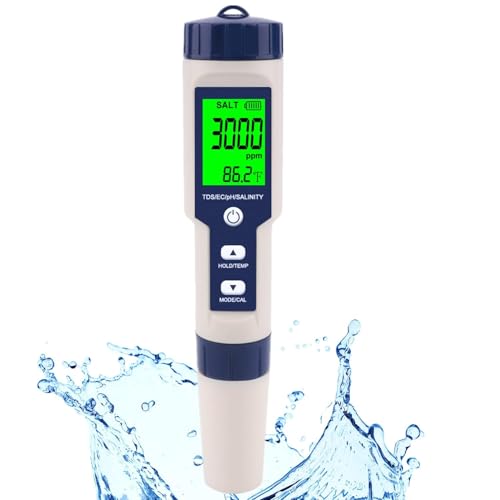
The Hofun 5-in-1 digital tester provides integrated salinity, pH, temperature, EC, and TDS readings, simplifying pool maintenance for saltwater systems. It features multiple display configurations (PPM, PPT, and percentage) and a straightforward operation: turn on and press MODE to switch to SALINITY. Suitable for pools, aquariums, hot tubs, and hydroponics, this device emphasizes ease of use and quick interpretation of results, reducing calculation mistakes when switching between units.
Taylor K-2006-SALT FAS-DPD 9-in-1 Kit

This Taylor K-2006-SALT FAS-DPD kit offers comprehensive saltwater testing with nine parameters, including free and combined chlorine, pH, acid and base demand, total alkalinity, calcium hardness, cyanuric acid, and chloride. Packaged in a durable storage case with reagents and a comparator, it provides reliable results quickly. The kit is designed for long-lasting use, with replacement reagents available separately to extend seasonal testing. The user-friendly design relies on pictorial instructions to aid non-technical users.
SaySummer Salt-Water Pool Test Strips Kit

SaySummer offers an 8-in-1 strip set tailored for saltwater pools and hot tubs. The strips measure salt, pH, free chlorine, bromine, total chlorine, cyanuric acid, total alkalinity, and overall salt levels. With 125 strips in the package, the kit provides a cost-effective solution for frequent testing. The color chart highlights the ideal salt range (2700-3400 ppm), helping users determine if salt additions are appropriate and reducing guesswork in daily maintenance.
NewTest Pool Salt Test Strips

NewTest’s 8-in-1 pool test strips focus on daily monitoring for saltwater pools, hot tubs, and spas. The kit reads salt, pH, free chlorine (bromine), total chlorine, hardness, total alkalinity, and cyanuric acid. With 150 strips, the package aims to cover a year of testing for a typical household pool schedule. The strips are designed for quick dipping and easy interpretation, helping to maintain clear, healthy water and reduce skin irritation linked to improper chemical balance.
Taylor K-2005 High Range Kit
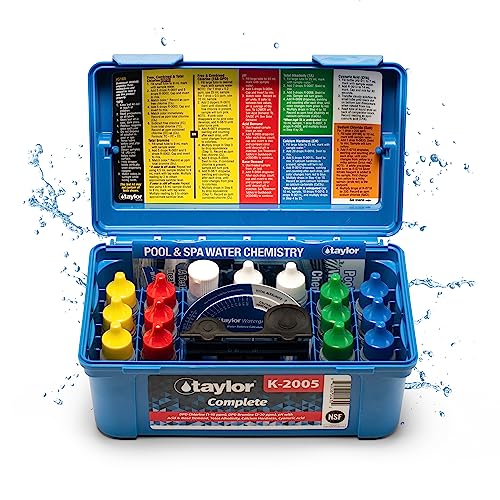
The Taylor K-2005 High Range kit provides an expanded testing framework for pool chemistry, including total and free chlorine, bromine, alkalinity, calcium hardness, and pH. This high-range option supports accurate readings in challenging saltwater environments, with dedicated reagents and straightforward test steps. It is designed for pool professionals and careful homeowners who prefer a traditional, reagent-based approach to water testing.
YUZIIB 5-in-1 Digital Salt Tester
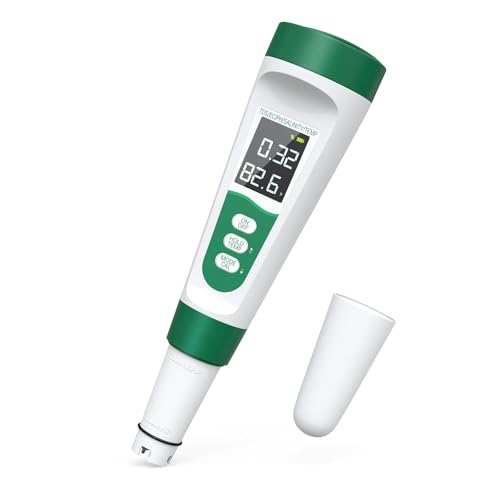
The YUZIIB 5-in-1 digital tester covers pH, salinity, TDS, EC, and temperature with a focus on speed and accuracy. It’s designed for frequent testing with a clear LCD display and a simple three-second measurement time. The device emphasizes reliability and corrosion resistance in its titanium alloy probes, making it a solid option for home pools, spas, aquariums, and hydroponics setups.
Buying Guide: Key Purchase Considerations
- Measurement scope: Identify which parameters matter most for your pool (salinity, pH, chlorine, alkalinity, calcium hardness, CYA, etc.).
- Test method: Digital meters offer quick readings; test strips provide a cost-effective, bulk option. Consider maintenance needs, replacement reagents, and calibration requirements.
- Accuracy and range: Look for devices with clear range specs (ppm, ppt, pH, etc.) and documented accuracy. For saltwater pools, tight tolerances prevent irritation and equipment corrosion.
- Ease of use: Choose intuitive interfaces, durable housings, and clear result displays. For casual homeowners, pictogram instructions can reduce confusion.
- Maintenance and consumables: Consider the availability and cost of replacement reagents or strips, and whether refills are readily accessible in your region.
- Speed vs. thoroughness: Digital meters yield fast results; lab-style test kits can be more comprehensive but slower. Balance time with the need for detailed chemistry data.
- Durability and water resistance: Devices exposed to pool environments should be water-resistant and robust against splash or humidity.
- Data interpretation: Some meters convert units automatically (ppm, ppt, or %), which helps avoid manual conversions and reduces user error.
- Support and warranty: Favor brands offering good customer support, clear return policies, and warranty periods for field-use devices.
- Compatibility with your system: Ensure the kit covers the chemical parameters your specific saltwater system requires, including any proprietary sanitizers or stabilizers you use.
When selecting a saltwater test kit, weigh the trade-offs between all-in-one digital meters and comprehensive reagent kits. Digital meters excel for frequent checks and quick decisions, while reagent-based kits provide in-depth parameter coverage and can be more economical over time. For households that actively monitor salt levels and chemistry, a combination approach—digital meter for daily checks and a reagent kit for periodic validation—often yields the most reliable results.