Yes—there are safe, targeted pond weed killers that help maintain a healthy water body without harming fish or pets when used as directed. This guide highlights five reliable products designed for American ponds, lakes, and water features. It focuses on use cases like duckweed, watermilfoil, hydrilla, cattails, and other common aquatic weeds. Whether you manage a backyard pond or a community water feature, these selections balance effectiveness with cautious use around wildlife, plants, and people.
| Product | Best For | Key Benefit |
|---|---|---|
| Tsunami DQ Aquatic Herbicide (Crystal Blue) | General weed control in ponds and lakes | Fast-acting diquat-based formula |
| Airmax Shoreline Defense Emergent Weed Control | Emergent plants along shores and docks | Kills at the roots for long-term control |
| Airmax Wipeout Pond Weed Defense | Floating and submerged weeds across the water body | All-season, long-lasting treatment |
| Airmax Ultra Pondweed Defense | Dense weed growth including pondweeds | Easy spray application, fast results |
| Diquat Weed Killer (Agrisel) | Water and landscape weed control | Versatile, visible results in 1–2 days |
Tsunami DQ Aquatic Herbicide (Quart) – Crystal Blue

Best for: Pond owners needing a fast-acting solution for a broad range of aquatic weeds. This diquat-based product targets submerged, floating, and emergent weeds quickly, making it suitable for ponds and lakes with diverse plant populations. It is particularly effective when weeds are actively growing and present across different water zones. Use with caution in states where sale is restricted.
Why it’s selected: Tsunami DQ provides rapid reduction of weed pressure, helping restore open water and improve water quality. Its broad-spectrum capability reduces the need for multiple products, simplifying management for homeowners and small facilities. The product is designed to work in various water bodies, from small ponds to larger lakes, with a clear, fast-acting profile.
Limitations and caution: Not available for sale in several states, including AZ, CA, CT, ME, MN, NH, NJ, NY, OR, VT, WA. Always follow label directions for correct application rates and timing to protect fish and water quality. Not intended for ornamental aquatics or non-target species.
Airmax Shoreline Defense Emergent Weed Control (1 Quart)

Best for: Shorelines, docks, and embankments where emergent aquatic weeds like cattails and phragmites have established roots along the water’s edge. This product is intended for use in fresh and brackish water and is suitable for property owners aiming to reclaim shoreline space for recreation or aesthetics.
Why it’s selected: It targets root systems for longer-lasting control, reducing regrowth along the bank. The formulation is designed to be mixed in a tank sprayer and applied directly to foliage, helping ensure thorough coverage of emergent plants that often resist surface treatments. It’s a good choice when shoreline weed pressure threatens access or shoreline vegetation health.
Cautions: Apply with a surfactant as recommended to maximize uptake. Avoid overspraying into open water where non-target plants or sensitive wildlife may be affected. Follow label directions for rate and timing to protect the pond’s interior ecosystem.
Airmax Wipeout Pond Weed Defense (4 Ounce)
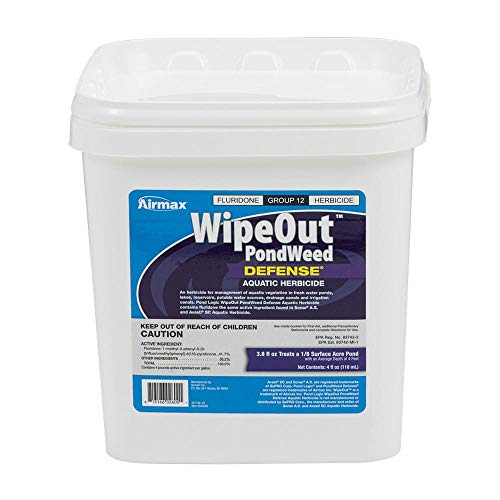
Best for: Long-term, all-season control of a wide range of submerged and floating weeds, including duckweed, water lilies, hydrilla, and elodea. Ideal for pond owners seeking a simple, low-maintenance treatment plan that minimizes yearly reapplication.
Why it’s selected: Wipeout uses systemic floridone-based action to gradually reduce weed vigor by limiting chlorophyll production, limiting rapid oxygen fluctuations and fish risk. It’s well-suited for owners who want a single-season approach with broad activity, while still allowing for seasonal adjustments if weed pressure varies.
Limitations: May require multiple applications in heavily infested ponds or when weed growth is rapid. Suitable use around fish and plants when applied as directed; avoid applying during critical wildlife periods unless specified on the label.
Airmax Ultra Pondweed Defense (1 Quart)

Best for: Dense pondweed growth and mixed weed populations where quick knockdown is desired, including submerged and floating varieties. This product is intended for easy spray application and works well for larger ponds needing consistent weed control across seasons.
Why it’s selected: It combines broad spectrum activity with a straightforward spray method, allowing users to target weeds across large water bodies. The concentrate format supports effective coverage when used with standard tank sprayers and surfactants recommended by the label.
Caution: While effective, aerial spraying or drifting can impact non-target aquatic plants; ensure accurate application around margins and avoid overspray into areas with sensitive wildlife or vegetation. Always adhere to label directions for water body size and concentration to minimize unintended effects.
Buying Guide: Safe and Effective Pond Weed Control
What should I consider before choosing a pond weed killer?
- Water body type: Is your lake, pond, or water feature freshwater or brackish? Some formulations work better in one environment than another.
- Weed species: Identify dominant weeds (duckweed, watermilfoil, hydrilla, cattails, etc.). Choose a product with proven efficacy against those species.
- Application method: Do you prefer spraying, shoreline treatment, or all-in-one pond water solution? Ensure compatibility with your sprayer and site.
- Environmental sensitivity: Consider nearby wildlife, fish, and plants. Look for products with rapid action and manage timing to minimize disruption to non-target species.
- State restrictions: Some products are not sold in certain states. Verify local regulations before purchase.
How do I plan for safe application?
- Read and follow the label carefully for dosage, timing, and water-use restrictions.
- Apply on calm days with no forecasted rain to prevent runoff and ensure proper weed absorption.
- Test a small area first to observe weed response and any potential effects on fish or aquatic plants.
- Consider combining a weed management plan with mechanical methods (screening, pond drawing, or manual removal) for persistent problems.
How can I limit negative impacts on wildlife?
- Apply only to targeted weed zones and avoid treating water that supports fish or wildlife habitats not intended for treatment.
- Use products with rapid degradation where available to minimize long-term exposure.
- Coordinate with local guidelines for pesticide use in aquatic systems to protect water quality and downstream ecosystems.
Frequently Asked Questions
What is the fastest way to reduce pond weeds? A fast-acting aquatic herbicide that targets the dominant weed types can deliver quick visible results, while following label directions to minimize non-target impacts.
Are these products safe for fish? These products are designed for aquatic use and intended to minimize harm to fish when applied correctly. Always follow the label and avoid overdosing or applying during critical ecological periods.
Can I treat my pond myself or should I hire a professional? For small backyard ponds, DIY treatments with labeled products are common. Larger or heavily infested water bodies may benefit from professional assessment to design an integrated management plan.
Do I need to remove plants before treatment? In many cases, you can treat without removing plants, but heavy aquatic plant cover may require multiple applications. Follow product-specific guidance for best results.