The right fence protects horses while providing clear boundaries for property and pasture management. This guide highlights five highly relevant options, focusing on safety, durability, and visibility. Each product offers features designed to prevent injury, reduce escape risk, and stand up to weather and horse activity. Use the buying guide below to compare construction, mesh size, and compatibility with your farm layout.
| Product | Brand | Key Safety Feature | Mesh Size | Material / Type |
|---|---|---|---|---|
| 4x100ft Heavy Duty Horse Fence, 2×4 Inch Mesh | Rilth | Red top wire as warning; 2×4 inch mesh reduces hoof entanglement | 2×4 in | Galvanized steel wire mesh |
| 4ft x 100ft Galvanized Horse Fence, 14 Gauge | Rilth | High-tension design with square knots for stability | 2×4 in | Galvanized steel wire |
| Zareba Elite Electric Polybraid Fence for Horses | Zareba | Highly visible boundary, 600 lb break strength | 4 strands (not a traditional mesh) | Polybraid with copper strands |
| Heavy Duty Farm Fence 4x100FT, 2×4 Inch Mesh | Rilth | High-visibility red top wire; non-climb design | 2×4 in | Woven wire with square knots |
| HENGTONG Electric Fence Poly Rope 656ft | HENGTONG | 6 strands conductors for strong conductivity; UV & rust resistant | 6mm poly rope, not traditional mesh | Electric poly rope |
Note: The options above emphasize safety features such as high visibility, appropriate mesh size to prevent hoof entrapment, and construction designed to withstand horse interactions. Electric fence options provide additional containment flexibility where permitted and managed with safety in mind.
4x100ft Heavy Duty Horse Fence, 2×4 Inch Mesh

Durable Structure: Constructed from high-quality 12 gauge wire with a galvanized coating, this fence resists corrosion and weathering, making it suitable for outdoor use in varied climates. The 2×4 inch mesh size prevents hooves from slipping through, while the 4-foot height adds an extra layer of safety by discouraging climbing or top-wire stepping. A top red warning wire enhances visibility to horses and handlers, reducing collision risks.
4ft x 100ft Galvanized Horse Fence, 14 Gauge
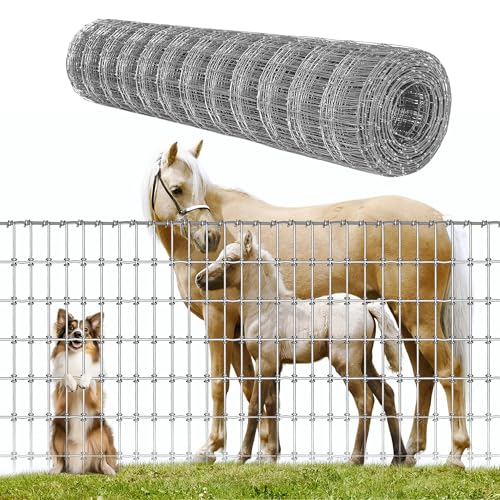
Strong Structure: The 14-gauge galvanized steel wire offers durability and resistance to bending, rust, and harsh weather, supporting long-term protection for animals and property. Safe & Stable Design: The 2×4 inch rectangular mesh is designed to prevent hooves or heads from getting stuck, while square knots maintain even tension, reducing sagging and keeping the fence stable over time. Versatile Use: This fence adapts to multiple farm applications and can be integrated with other fencing types as needed.
Zareba Elite Electric Polybraid Fence for Horses

Ideal Hor se Fencing: The copper strands braided into a poly fiber jacket create a highly visible boundary that horses can easily see, supporting safer containment. Safe & Effective: The fence offers a 600 lb break strength that stretches when tested by horses, helping to prevent sudden failures and injuries. 40X Shocking Power: With four tinned copper strands, it delivers higher conductivity compared to common stainless steel options, enhancing performance in suitable environments.
Heavy Duty Farm Fence 4x100FT, 2×4 Inch Mesh

Strong Structure: This non-climb fence uses 14 gauge wire with 2×4 inch mesh to prevent animals from stepping through. Square knots ensure even tension and strength, reducing sagging and maintaining stability. Safety and Visibility: A high-visibility red top wire minimizes collisions with the fence, while the smooth knot design reduces the risk of injury to animals or handlers. Versatile Use: Suitable for horses, cattle, sheep, pigs, and large dogs, and can be combined with other fencing types for enhanced security.
HENGTONG Electric Fence Poly Rope 656ft
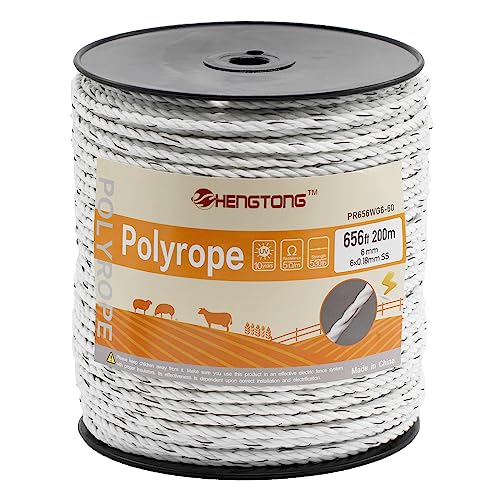
Reliable Quality: A 656-foot length of 6mm poly rope, with six stainless steel conductors, offers strong conductivity and reduced resistance. This rope can handle the load associated with large animals, including horses, and rolls out smoothly for easier installation. Better Protection: The rope provides more contact area with animals, increasing security and reducing tangling risk. Rust and UV resistance provide longer life in outdoor settings, and the rope is designed for straightforward installation and maintenance.
Buying Guide
- Fence type: Choose between non-climb woven wire, electric poly rope, or polybraid for flexible containment. Non-climb designs are generally safer for horses, while electric options add boundary visibility and enhanced control when properly managed.
- Mesh size and height: For most horses, a 2×4 inch mesh and a height of 4 feet or more reduce the risk of hoof entanglement and attempts to jump or push the boundary.
- Visibility features: Red top wires and highly visible strands help prevent collisions. When safety is a priority, opt for designs that clearly delineate the boundary.
- Durability and maintenance: Galvanized steel, stainless steel conductors, and UV-resistant polymers extend life in outdoor conditions. Consider climate, corrosion risk, and expected wear from hoof impact.
- Flexibility and expansion: Electric fences offer scalable containment but require proper voltage management, safety training, and compliance with local regulations. Non-electric fences are typically lower maintenance but may require more robust construction to deter pushing or leaning.
- Installation and maintenance: Look for fences with simple installation, sturdy knotting systems, and accessible replacement parts. Regular inspections help identify sagging, loose connections, or damaged wires before injuries occur.
- Dog and farm compatibility: If large dogs or goats share the pasture, ensure mesh size and height are appropriate to prevent escapes or injuries while maintaining safe interactions with horses.
- Cost and lifespan: Compare initial cost, ease of repair, and expected lifespan. A slightly higher upfront investment often yields long-term savings through reduced maintenance and fewer livestock injuries.
- Safety compliance: For electric fences, verify that the system complies with local electrical and agricultural safety rules and that all handlers and horses receive proper training.