The following rye seed options are selected for American gardens and farms aiming to improve soil health, suppress weeds, and establish quick ground cover. All picks are winter rye or rye-based cover crops suitable for planting in a range of USDA zones, with non-GMO or open-pollinated options when available. Use these seeds to build organic matter, stabilize soil, and prepare beds for spring crops. The table below offers concise details to help you compare at a glance.
| Product | Brand | Season | Notes |
|---|---|---|---|
| No-Till Winter Rye Seeds – 5 Lbs | Mountain Valley Seed Company | Winter | Non-GMO, soil-boosting, fast germination |
| Thunder Acres Organic Winter Rye Seeds, Non-GMO (1 lb) | Thunder Acres | Winter | High germination, U.S.A. grown |
| Groundio Winter Rye Seeds, 3lbs Non-GMO | Groundio | Winter | Soil improvement, rapid cover, USA grown |
| Thunder Acres Organic Winter Rye Seeds, Non-GMO (5 lb) | Thunder Acres | Winter | High germination, U.S.A. grown |
| All Good Things Organic Winter Rye Seeds | All Good Things Organic Seeds | Winter | Organic, non-GMO, open-pollinated |
Across these selections, you’ll find options that emphasize soil health, weed suppression, and resilience in cold weather. Whether you need a small batch for a home garden or a larger field trial, these rye seeds offer dependable germination and proven performance as cover crops or green manures. The following sections dive into each product’s features and how they align with typical planting goals in American landscapes.
No-Till Winter Rye Seeds — 5 Lbs
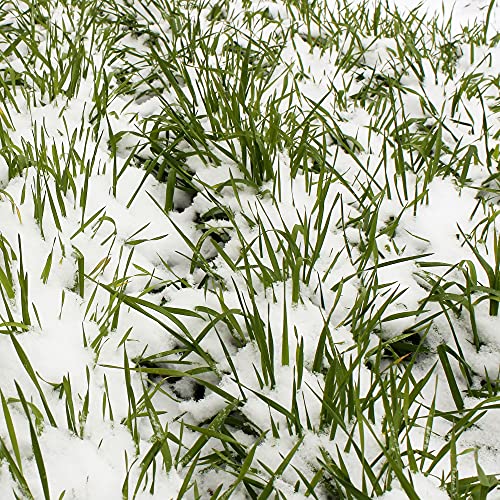
Brand: Mountain Valley Seed Company. This premium winter rye cover crop is non-GMO and heirloom, Secale cereale, known for cold tolerance and soil benefits. It helps suppress weeds, prevent erosion, and improve drainage. As a green manure, it can be tilled under for organic matter or harvested as rye grain. Germination occurs in about 4-10 days, with full maturity around 90-110 days. Suitable for gardens and larger fields, it provides both soil health and potential harvest value.
Thunder Acres Organic Winter Rye Seeds, Non-GMO
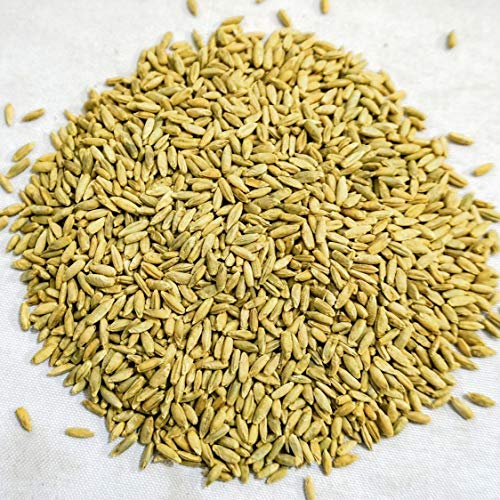
Brand: Thunder Acres. This seed line emphasizes organic, non-GMO winter rye with a strong germination rate and a typical 90–110 day maturity window. Grown in the United States, these seeds are suitable for cover crop rotations in colder regions and can support soil structure, erosion control, and weed suppression when planted in the fall.
Groundio Winter Rye Seeds, 3lbs Non-GMO

Brand: Groundio. A versatile option for winter lawn replacement and soil improvement. Winter rye is cold-hardy and suitable for USDA zones 3-9. It fixes nitrogen, improves drainage, and suppresses weeds. Germination can occur within 3–7 days, forming a dense cover that stabilizes soil and readies beds for spring plantings while withstanding trampling and winter stress.
Thunder Acres Organic Winter Rye Seeds, Non-GMO (5 lb)
Brand: Thunder Acres. A larger bag option with the same high germination and U.S.A. grown quality. This seed set suits sustained cover cropping programs, providing robust weed suppression, soil conditioning, and a reliable timeline to maturity within the typical 90–110 day window. Ideal for larger plots or farms seeking consistent performance across seasons.
All Good Things Organic Winter Rye Seeds

Brand: All Good Things Organic Seeds. An organic, non-GMO, open-pollinated rye seed with certification by Oregon Tilth. This option emphasizes soil building and weed suppression through winter cover cropping. The seeds are suitable for late-summer or late-winter plantings, depending on your climate, and can contribute to soil organic matter while offering a potential grain harvest under proper management.
Buying Guide: Key Purchase Considerations And Comparisons
- Seed Type And Purpose: Choose winter rye for cover cropping, soil improvement, and weed suppression. If you plan to harvest rye grain, prioritize non-GMO or heirloom varieties with documented maturation timelines.
- Germination And Maturity: Look for quick germination (often 3–10 days) and a reasonable time to maturity (roughly 90–110 days) to fit your rotation and climate.
- Cold Tolerance: Ensure the variety is suited to your USDA zone. Cold-hardy rye performs best as a fall-to-spring cover crop in northern regions and as a slower-growing lawn replacement in milder areas.
- Soil Improvement And Weed Suppression: Rye’s allelopathic properties can reduce future weed germination. It also increases organic matter when tilled under as a green manure.
- Non-GMO And Organic Options: If you prioritize organic farming or garden practices, choose certified organic or open-pollinated seeds to preserve seed stock and reduce chemical inputs.
- Planting Rate And Quantity: Bags range from 1 lb to 5 lb or more. Match seed quantity to your plot size to ensure adequate cover without oversowing, which can slow establishment.
- Regional Adaptation: Some varieties emphasize livestock forage or lawn replacement. Decide whether you want a thick winter ground cover, a forage crop, or a seed harvest option.
- Grown-In-The-USA Preference: Local or U.S.-grown seeds may align with regional disease resistance and environmental conditions, and often support domestic farming.
- Maintenance And Next Season Prep: Plan for mowing or tilling under in spring, depending on whether you want rye grain or green manure. Late-season fertilization can enhance soil nitrogen availability for subsequent crops.
- Brand Reputation And Guarantees: Reputable brands often provide germination support and practical guidance. Check for satisfaction guarantees or seed quality certifications where available.
When selecting rye seeds for planting, balance the desire for rapid ground cover with the intended end use—soil improvement, erosion control, or grain production. Consider regional climate, soil type, and the scale of your project to pick the most suitable option from the list. Always follow local planting calendars to maximize germination and establish a durable cover crop that contributes to long-term soil health.