Choosing the right rye seed for cover crops can boost soil health, improve drainage, and reduce weed pressure. The following selections focus on winter rye seeds that are cold-tolerant, fast-germinating, and suitable for various climates. Each option is evaluated for germination rate, soil benefits, and ease of use to help you select the best rye cover crop seed for gardens, farms, or large fields.
Summary of chosen products:
| Product | Brand | Key Benefit |
|---|---|---|
| No-Till Winter Rye Seeds – 5 Lbs | Mountain Valley Seed Company | Non-GMO, fast germination, soil improvement |
| Groundio Winter Rye Seeds, 3lbs | Groundio | Winter lawn replacement, quick cover, weed suppression |
| Thunder Acres Organic Winter Rye Seeds, 1 lb | Thunder Acres | High germination, U.S.-grown |
| Winter Rye Seeds – 25 Pound Bag | CZ Grain | Hardy, versatile cover crop, erosion control |
| Guardian Winter Rye, La Crosse Seed | La Crosse Seed | Purity and early vigor, late fall planting suitability |
No-Till Winter Rye Seeds — 5 Lbs
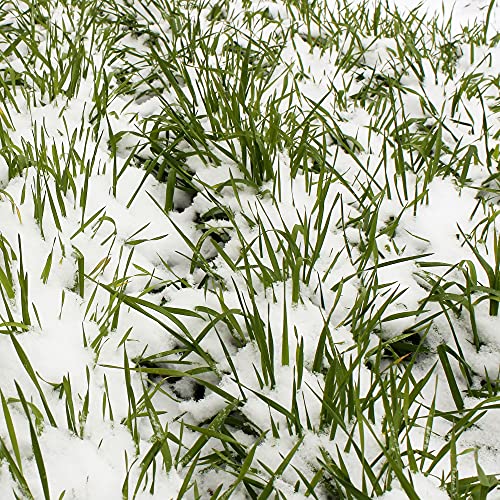
Premium winter rye cover crop from Mountain Valley Seed Company. This non-GMO heirloom Secale cereale variety is cold-hardy and designed to improve soil health, suppress weeds, and prevent erosion. Suitable for gardens, farms, and fields, it fixes soil nitrogen dynamics and supports better drainage. Germination typically occurs in 4-10 days, with maturity in about 90-110 days. The seed is versatile, able to be tilled under as green manure or harvested for rye grain, depending on farming goals.
Groundio Winter Rye Seeds — 3lbs

Winter rye seeds from Groundio offer a practical lawn replacement and soil-improvement option. Suitable for USDA zones 3-9, this ryegrass helps improve drainage, fixes nitrogen, and suppresses weeds while preparing soil for the next planting cycle. Germination is typically rapid, with seedlings visible within 3-7 days. It forms a dense cover that can quickly restore bare ground during winter and supports resilience against trampling and damage.
Thunder Acres Organic Winter Rye Seeds — 1 lb
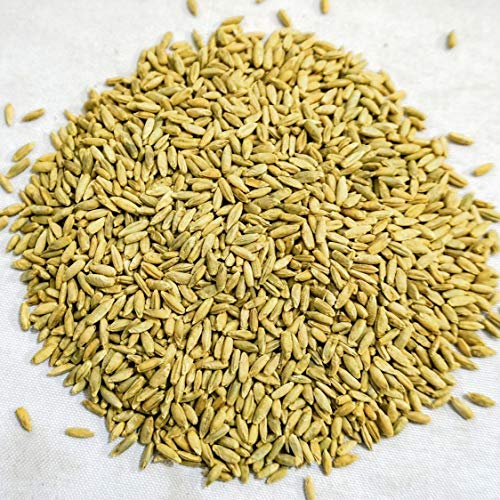
Organic winter rye from Thunder Acres focuses on high germination rates and U.S.-grown reliability. With a maturity window of about 90-110 days, this seed suits growers seeking a dependable cover crop that enhances soil structure, suppresses weeds, and provides erosion control during winter months. The organic labeling supports mills and farms prioritizing sustainable sourcing.
Winter Rye Seeds — 25 Pound Bag
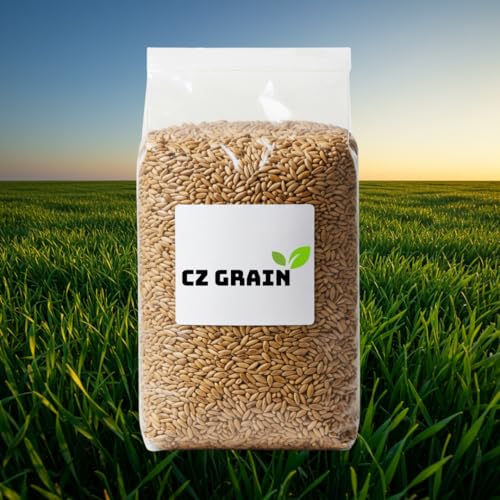
CZ Grain offers a 25-pound bag of non-GMO winter rye seeds intended for soil health and weed control. This hardy rye variety is suitable for erosion control and rapid ground cover, making it a solid option for larger plots or farms. The seed is described as easy to grow, proficient in fall and spring performance, and adaptable for use as animal forage in some setups, depending on management goals.
Guardian Winter Rye — La Crosse Seed
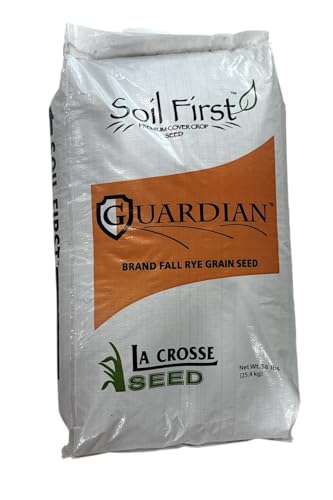
La Crosse Seed’s Guardian Winter Rye emphasizes purity and early vigor, making it a reliable option for late fall seedings. Screened for cleanliness and germination reliability, this seed supports robust stand establishment and improved soil cover during the vulnerable transition to winter. It is well-suited for farms or large gardens prioritizing dependable rye as a cover crop before spring planting.
Buying Guide: Rye Seed For Cover Crop — Key Purchase Considerations
- Germination rate and speed: Look for seeds with high germination rates and quick establishment to minimize bare soil exposure in fall and early winter.
- Cold tolerance: Winter rye should tolerate typical regional winter temperatures to provide soil cover and weed suppression through the season.
- Soil health benefits: Choose varieties advertised to improve soil structure, drainage, and nitrogen dynamics, along with weed suppression via allelopathy or canopy density.
- Non-GMO and organic options: If you prioritize non-GMO or organic seed, verify labeling and certifications to ensure alignment with farming practices.
- Growth and maturity window: Consider how long the cover crop will remain in the field before tilling under or transitioning to spring crops.
- Seed quantity and plot size: Large farms may prefer bulk bags (e.g., 25 lb) for cost efficiency, while small gardens may opt for smaller sacks.
- End-use flexibility: Some rye varieties can double as forage or grain, while others are optimized strictly for soil cover and erosion control.
- Compatibility with blends: If integrating with clover, vetch, or other cover crops, ensure seed blends are designed for uniform germination and canopy development.
When selecting rye for cover crops, align seed traits with your climate, soil conditions, and management goals. Consider starting with a tested, reputable brand and, if possible, run a small trial patch to gauge germination rates and early vigor before scaling up.