Answering the need for reliable, long-lasting pond protection, this guide covers top rubber membranes and sealants designed for koi ponds, water gardens, fountains, and other water features. The selections below are best for different buyer needs: heavy-duty liners for larger ponds, flexible sheets for irregular shapes, and safe sealants for existing installations. Each product is evaluated for durability, flexibility, and ease of installation to help you choose confidently.
| Product | Type | Best For | Why It Stands Out |
|---|---|---|---|
| 45 Mil EPDM Pond Liner (3×5) by Custom Pro | Liner | Small-to-medium ponds; water features | Thick, flexible EPDM with strong puncture resistance |
| Liquid Rubber NeoPond Sealant (1 Gallon) | Sealant | Ponds that need a seamless, liquid-applied membrane | Water-based, low VOC, fish-and-plant safe |
| VEVOR 8×10 Ft Pond Liner | Liner | Medium-to-large outdoor ponds | 45 mil EPDM with cut-to-fit capability |
| Custom Pro 45 Mil EPDM Pond Liner (5×5) | Liner | Square ponds or water features | Same tough EPDM material in a larger 5×5 size |
| Tapel Black Liquid Rubber Waterproof Coating | Liquid Membrane | Foundations, roofs, and ponds needing robust coating | Three-times stronger adhesion; safe for ponds after curing |
Custom Pro 45 Mil EPDM Pond Liner 3×5
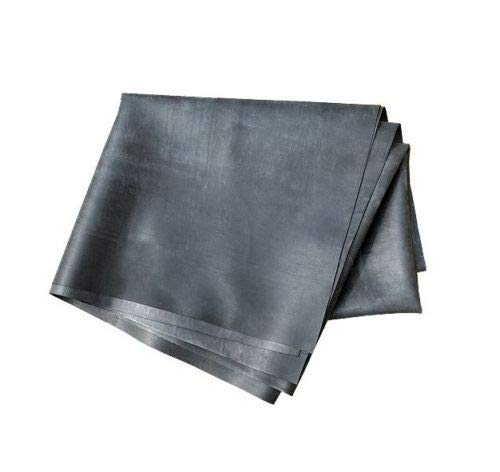
This 45-mil EPDM liner offers robust protection for ponds up to small sizes. The liner is thick, flexible, and easy to cut, allowing it to fit irregular shapes or contours without tearing. Best for koi ponds, water gardens, fountains, and water features where a durable, long-lasting membrane is essential.
Best for: Small to medium ponds and features needing reliable, flexible EPDM. Limitations: Not ideal for areas with extreme exposure to UV without shading or protective cover over long periods.
Liquid Rubber NeoPond Waterproof Sealant 1 Gallon

This liquid-applied membrane cures into a seamless waterproof coating, ideal for ponds with leaks or irregular surfaces. It is fish and plant safe, UV-stable, and easy to apply, forming a flexible barrier that can submerge without cracking. Best for spot repairs or coating complex shapes.
Best for: Ponds needing a seamless, fish-safe waterproofing layer. Limitations: Being a sealant, it requires proper surface preparation and curing time for full effectiveness.
VEVOR 8×10 Ft Pond Liner 45 Mil

This larger liner provides ample coverage for medium-to-large outdoor ponds. The 45-mil EPDM offers puncture resistance and durability, and the sheet can be trimmed to fit complex shapes. Best for water gardens, koi ponds, streams, and waterfalls where extended protection is needed.
Best for: Bigger outdoor water features. Limitations: Requires precise cutting and fit; larger sheets can be harder to manage during installation.
Custom Pro 45 Mil EPDM Pond Liner 5×5
This square liner uses the same 45-mil EPDM durability as the 3×5 version, but in a 5×5 footprint. It’s suitable for square or near-square ponds and water features that demand a robust rubber membrane. Best for customers needing a larger, flexible liner with the same strong performance.
Best for: Larger square ponds or water features requiring a tough, flexible EPDM liner. Limitations: More material to cut and fit; ensure you have the correct layout before installation.
Tapel Black Liquid Rubber Waterproof Coating

This coating serves as a robust, elastomeric membrane suitable for multiple substrates, including concrete, metal, wood, and EPDM. It is advertised as three times stronger in adhesion, which helps prevent peeling in damp conditions. Best for foundations, roofs, or areas around ponds where a coating-outlining membrane is beneficial.
Best for: Projects needing a strong, flexible coating beyond pond liners. Limitations: Requires proper curing and surface preparation for optimal adhesion and waterproofing.
Buying Guide
Key considerations when selecting a rubber membrane or sealant for ponds include pond size, shape flexibility, exposure to elements, and whether you prefer a solid liner or a liquid-applied membrane.
- Size and shape: Larger or irregularly shaped ponds benefit from flexible EPDM liners that can be trimmed to fit. For irregular surfaces, liquid sealants offer seamless coverage without seams.
- Durability: 45 mil EPDM provides strong puncture resistance and longer service life in exposed outdoor environments. Heavier sheets reduce the risk of leaks over time.
- Installation: Cut-to-fit liners require careful measurements and tools. Liquid coatings simplify coverage of complex features but require curing time and proper surface prep.
- Environmental safety: Look for fish- and plant-safe formulations, especially for koi ponds or water gardens with aquatic life.
- Maintenance and repair: Consider whether you want a repair-friendly system. Sealing coatings allow spot repairs, while liners may require patching or replacement.
FAQ
- What is EPDM, and why is it popular for ponds?
EPDM is a durable synthetic rubber known for flexibility, UV resistance, and long life in outdoor water environments, making it a common choice for pond liners.
- When should I choose a liquid sealant over a solid liner?
Choose a liquid sealant for irregular shapes, existing leaks, or when a seamless membrane is needed without seams.
- Are these products safe for fish and plants?
Most listings indicate fish- and plant-safe formulations, but always verify product safety data and ensure proper curing before introducing life into the pond.
- How thick should a pond liner be?
Thicker liners, such as 45 mil EPDM, offer greater puncture resistance and durability, particularly in high-use or outdoor conditions.
- Can I cut EPDM liners to fit my pond shape?
Yes. EPDM liners are designed to be cut to fit; use sharp scissors or utility knives and take precise measurements before cutting.