Row covers for insect protection are an affordable, effective way to shield vegetables, fruits, and ornamentals from pests without chemicals. This guide highlights five top options tailored to common growing situations, explaining who each is best for, how it helps, and potential drawbacks. Whether you’re a weekend gardener, a small-scale farmer, or a balcony planter, these covers help boost yields and protect delicate seedlings.
Product comparison at a glance:
- Hyxanons 10×50 ft Ultra Fine Garden Mesh Netting – best for large beds and greenhouse setups.
- Garden Tailor 4’x10′ Fine Bug Netting – best for raised beds and versatile indoor/outdoor use.
- Jevrench Ultra Fine Garden Netting 4×25 ft – best for compact plots with strong durability.
- RIFNY 2 Pack 10×33 ft Netting – best for bigger areas needing dual cover coverage.
- Monirsen Garden Netting Kit 10×30 ft – best all-in-one starter kit with hoops and clips.
Hyxanons 10×50 Ft Ultra Fine Garden Netting

Best for: Large raised beds, patios, greenhouses, and multi-bed setups where a single net must cover extensive areas. This 0.8mm x 1mm mesh blocks a broad range of insects while allowing air, water, and light to pass, creating optimal growing conditions. The material is UV-resistant PE, designed for repeated seasonal use.
Why selected: Its generous 10×50 ft size reduces the need for multiple pieces and minimizes seam gaps. The mesh size is fine enough to deter many pests yet breathable, supporting healthy plant growth.
Caution: Ensure secure anchoring with rocks or stakes to prevent wind displacement over large spans. inspect edges for wear after heavy weather.
Garden Tailor 4’x10′ Fine Bug Netting
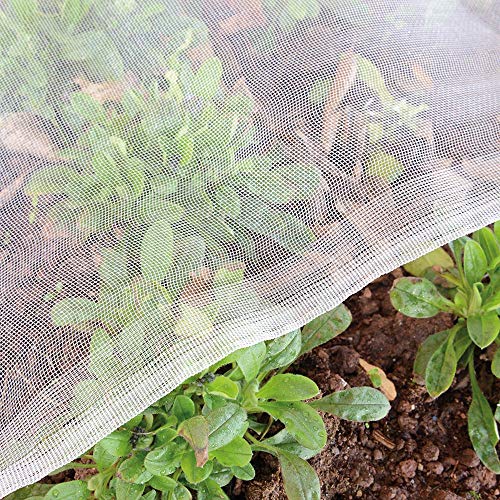
Best for: Raised beds, orchards, and greenhouses where a finer barrier is advantageous. The 4’x10′ panel is easy to deploy and store, making it a flexible option for seasonal gardens and indoor use like windows or smaller spaces.
Why selected: Made from 100% new HDPE with UV resistance and tight selvedge, it offers durability and low unraveling risk. The mesh is optimized to protect crops without hindering photosynthesis.
Caution: Check for seams and edges to ensure there are no gaps at corners, especially in windy locations. Might require supplementary supports on larger beds.
Jevrench Ultra Fine Garden Netting 4×25 Ft

Best for: Medium-sized plots that need strong protection against insects while preserving airflow. The 0.8 mm x 1 mm mesh provides a robust barrier against pests and animal intruders with a longer, narrow footprint for row crops.
Why selected: The kit emphasizes durability with twice-thick PE material and good elasticity. It’s designed to last 3–5 years with proper maintenance, making it suitable for growers with repeated seasons.
Caution: While durable, the larger length requires proper support to prevent sagging and maintain full coverage during rain or wind.
RIFNY 2 Pack 10×33 Ft Ultra Fine Mesh Netting

Best for: Gardeners who want dual coverage across two separate beds or a larger single area with an additional backup panel. The 0.04 inch mesh lets light and air through while blocking insects and some animals.
Why selected: The two-pack setup offers value and flexibility, with oblong hole construction enhancing airflow and reducing heat buildup inside the cover. It’s suitable for cabbage, tomatoes, and fruit crops sensitive to direct insect pressure.
Caution: Not all pests are deterred equally; some larger critters may require additional barriers or longer-term protective measures.
Monirsen Garden Netting Kit for Raised Beds
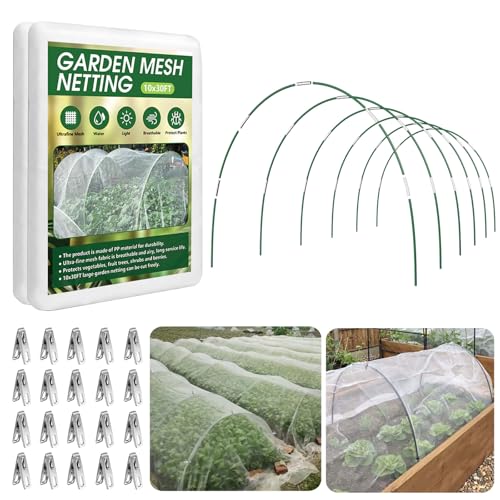
Best for: Beginners and seasoned gardeners who want an all-in-one solution with supporting hoops. The kit includes a 10×30 ft netting, six sets of 8 ft fiberglass hoops, and fixing clips for quick setup.
Why selected: It combines a sizeable ultra-fine mesh with sturdy, rust-free hoops, enabling rapid construction of a protective tunnel over beds. This is ideal for growers seeking a ready-to-install system without purchasing separate components.
Caution: The included hoops are fiberglass; handle with care to avoid cracking during installation or transport.
Buying Guide: Row Covers For Insect Protection
- Mesh size matters: For most common pests, 0.8mm x 1mm mesh provides a good balance between pest exclusion and airflow. Finer mesh is better for smaller insects but may reduce light and ventilation somewhat.
- Area coverage: Larger panels (10×30 ft, 10×50 ft) reduce seam gaps but may require additional support. Plan for stakes, hoops, or frames to minimize sagging in wind or rain.
- Durability and reuse: UV-resistant PE materials last multiple seasons when stored properly. Look for tight selvedges and robust edging to prevent unraveling after repeated use.
- Support structures: Kits with hoops or frames ease installation. Consider rust-proof or rust-resistant options (fiberglass hoops or galvanized frames) for longevity.
- Application versatility: Some nets can be used indoors, on greenhouses, or as window screens. If you operate small or varied growing spaces, choose multi-use covers.
- Maintenance: Nets should be inspected for holes and tears before and after season use. Quick repairs with pinch clips or tape can extend life.
- Best for specific crops: Leafy greens, brassicas, tomatoes, peppers, berries, and small fruiting plants respond well to row covers that protect buds and fruit set from pests without chemical interventions.
Frequently Asked Questions
- What is a row cover and how does it work?
Row covers are lightweight fabrics placed over crops to block insects while letting air, light, and water reach the plants. They create a physical barrier that reduces pest damage and can extend the growing season in some climates.
- Can I reuse row covers after the season ends?
Yes. Most covers are designed for multiple seasons if dried, cleaned, and stored away from sharp objects. Inspect for tears and repair seams as needed before reusing.
- Which mesh size should I choose for tomato plants?
0.8mm x 1mm mesh generally works well for tomatoes and many vegetables, providing pest protection without severely limiting airflow.
- Do row covers protect against birds?
Yes, many row covers deter smaller birds and provide a barrier against some larger birds when placed over beds or frames. For larger birds, use appropriately sized structures and secure edges.
- Are there any drawbacks to using row covers?
They can slightly reduce light penetration and require careful installation to avoid gaps. Leaves and stems may also abrade against tight edges, so check coverage regularly.
- What setup is best for beginners?
A kit with pre-sized panels and hoops, like the Monirsen or Hoyejyou options, offers an easy, all-in-one solution for quick protection and straightforward maintenance.
Quick Product Summary
| Product | Best For | Mesh Size | Notes |
|---|---|---|---|
| Hyxanons 10×50 Ft | Large beds, greenhouses | 0.8mm x 1mm | Large coverage; secure anchoring needed |
| Garden Tailor 4×10 | Raised beds, indoors | 0.8mm x 1mm | Compact and versatile; strong selvedge |
| Jevrench 4×25 | Medium plots | 0.8mm x 1mm | Durable, longer length |
| RIFNY 2 Pack 10×33 | Two beds or larger area | 0.04 in (approx 1mm) | Two panels; good airflow |
| Monirsen Kit 10×30 | All-in-one setup | 0.8mm x 1mm | Includes hoops and clips |