Yes—row cover insect barriers are a practical, material-based solution for protecting vegetables, fruits, and flowers from pests while maintaining light, air, and water flow. This guide highlights five top options ideal for different garden setups, from raised beds to open-field rows. Read on to find the best fit for your needs, whether you’re protecting delicate seedlings, extending the growing season, or deterring birds and small mammals. Each product is evaluated for who it’s best for and why it stands out.
Product overview
- Garden Tailor Garden Netting Pest Barrier (4’x10′)
- Monirsen Garden Netting Kit for Raised Beds (10×30 ft)
- Jevrench Garden Netting (4ft x 25ft)
- Rohuis Garden Netting Pest Barrier (10 ft x 33 ft)
- SnugNiture Garden Netting (10×33 ft)
Product comparison
| Product | Size | Mesh Type | |
|---|---|---|---|
| Garden Tailor Garden Netting | 4′ x 10′ | HDPE, UV-resistant | Small to medium plots needing strong, compact protection |
| Monirsen Garden Netting Kit | 10′ x 30′ | Ultra-fine 0.8mm x 1mm mesh | Raised beds with long coverage and hoops included |
| Jevrench Garden Netting | 4′ x 25′ | PE mesh with 0.8mm x 1mm opening | Larger single rows; durability under sun |
| Rohuis Garden Netting Pest Barrier | 10′ x 33′ | HDPE, 0.04 inch mesh | Versatile protection for vegetables, trees, and flowers |
| SnugNiture Garden Netting | 10′ x 33′ | 0.1mm x 0.1mm mesh | Bird and insect deterrence for larger plantings |
Garden Tailor Garden Netting Pest Barrier: 4’x10′ HDPE Mesh
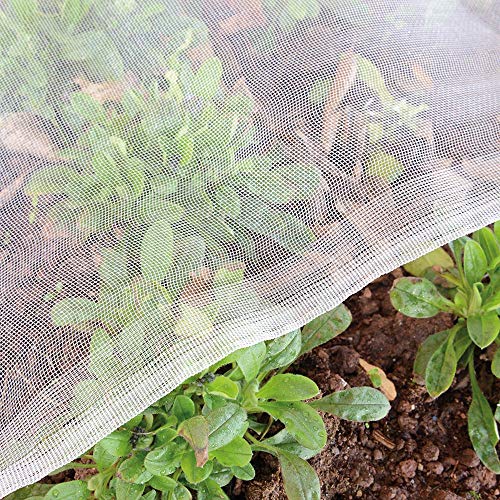
Best for compact plots, this 4′ x 10′ netting provides an effective barrier against a broad range of garden pests, including cicadas, aphids, and carrot fly. The material is 100% HDPE, UV-resistant, light, and safe for plants, with a tight selvedge to prevent unraveling. Suitable for raised beds or small patches in need of a simple, reliable pest barrier. Caution: delicate crops may require smaller openings or additional supports to avoid wind damage on exposed edges.
Monirsen Garden Netting Kit for Raised Beds
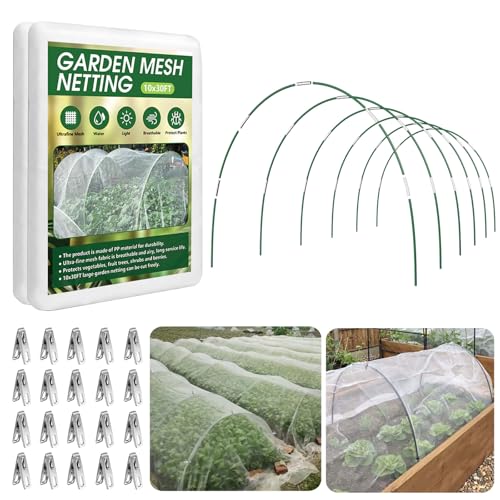
Best for raised-bed growers seeking a complete kit, this 10×30 ft netting comes with six sets of 8 ft fiberglass hoops and clips. The ultra-fine mesh (0.8mm x 1mm) allows air, light, and water through while blocking insects and small animals. Upgraded, rust-free hoops support year-round use. Choose this if you want an all-in-one solution with easy setup. Limitation: occasional maintenance may be needed to keep hoops aligned in windy conditions.
Jevrench Ultra Fine Garden Netting (4×25 ft)

Best for larger single-row protection, this 4′ x 25′ netting provides broad coverage with a very fine mesh designed to reduce pest access while allowing photosynthesis. Made from durable transparent PE material, it’s reusable for several seasons when properly cared for. Caution: ensure adequate permeability to prevent overheating in hot climates, and verify that the mesh size suits target pests.
RIFNY Garden Netting: 2 Pack 10×33 ft

Best for larger plantings, this two-pack option provides extended coverage with a 0.04-inch ultra-fine mesh that allows sun and rain through while deterring insects, birds, and some small mammals. The oblong-hole construction improves airflow and reduces heat buildup. Choose this if you want flexible, high-coverage protection without removing the netting during watering. Limitation: two-pack packaging may be perceived as a single shipment, so confirm quantity before use.
SnugNiture Garden Netting: 10×33 ft

Best for broad field-row use, this white bird netting provides a 0.1mm x 0.1mm ultra-fine mesh and is lightweight and see-through. It’s designed to protect fruits, vegetables, and flowers from birds and pests while maintaining photosynthesis and airflow. Caution: heavier debris or strong winds may require additional anchoring or support to prevent sagging.
Buying Guide
What size should you choose?
- Small-to-medium plots: 4′ x 10′ or 4′ x 25′ options offer easy handling and quick setup.
- Raised beds or larger rows: 10′ x 30′ to 10′ x 33′ nets with hoops provide long coverage without frequent changes.
Which mesh density is best?
- 0.8 mm x 1 mm or finer: better at blocking small insects but needs good light transmission for healthy growth.
- 0.04 inch mesh (approx. 1 mm): balances airflow with pest deterrence for vegetables and fruits.
Should you use hoops or frames?
- Yes, especially for larger nets. Hoops improve airflow and minimize sagging, and they support long-term use in windier areas.
- Without hoops, nets are susceptible to flapping in the wind and can abrade plant stems if not secured properly.
How to install and maintain?
- Drape the netting over plants and secure edges with rocks, soil, stakes, or clips.
- Water through the mesh as needed; avoid removing the netting for routine irrigation if possible.
- Inspect regularly for wear, tears, or loose anchoring, and repair promptly to maintain effectiveness.
Practical considerations
- Durability: look for UV-resistant HDPE or PE materials for longer life in sun exposure.
- Transparency: choose lighter colors and see-through mesh to minimize shading and maintain photosynthesis.
- Reusability: many options are designed for multiple growing seasons with proper care.
FAQ
- Q: Will row cover nets stop all pests? A: They dramatically reduce access for many insects and animals but may not deter all pests; some birds may peck at edges if not secured.
- Q: Can I water plants with nets on? A: Many nets allow water through; check mesh specs and water accordingly without removing the cover.
- Q: Do nets affect plant growth? A: If the mesh is ultra-fine, light and airflow may be slightly reduced, but most plants tolerate the coverage well when breathable nets are used.
- Q: How long can nets stay in place? A: With UV-resistant materials and proper maintenance, nets can last multiple growing seasons.
- Q: Are hoops necessary? A: Hoops help prevent sagging and improve airflow; they’re especially useful for larger nets or windy locations.