Choosing the right river sand for plant care can dramatically improve drainage, aeration, and root health in pots, terrariums, and decorative arrangements. The following selections come from reputable brands and are designed to support succulents, terrariums, bonsai, and mixed potting mixes. Each product is evaluated for particle size, cleanliness, and suitability for both indoor and outdoor settings. Use this guide to compare textures, how they interact with plant roots, and how they look in display spaces.
Summary table of chosen products:
| Product | Brand | Approx. Size / Type | Primary Use |
|---|---|---|---|
| GARDENWISE Fine Sand for Plants | GARDENWISE | Fine sand, 1 quart | Potting mix drainage, terrariums |
| CaribSea Super Natural Midnight River Sand | Carib Sea | Fine black river sand, 10 lbs | Aquariums, planted tanks, natural look |
| Boniosz 1-3mm Fine Silica Sand | Boniosz | 1-3 mm fine silica sand, 2.4 lbs | Drainage for succulents, terrariums, aquariums |
| NUPICK 1-2mm Coarse Sand | NUPICK | 1-2 mm coarse sand, 6 lbs | Aeration for potting mixes, decorative use |
| Pulovin 2.5 lbs Coarse Silica Sand | Pulovin | 1/5 inch (4-5 mm) coarse, decorative gravel | Decorative fillers, terrariums, casings |
GARDENWISE Fine Sand for Plants
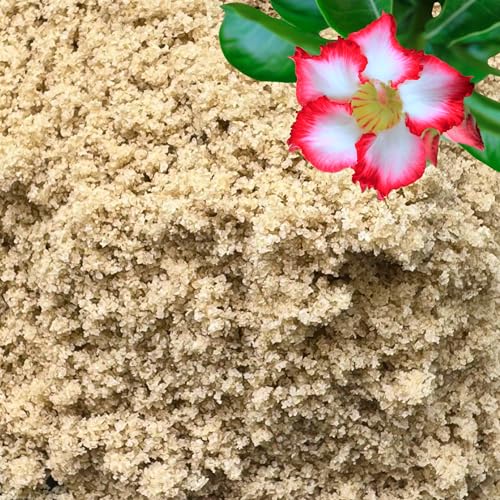
The GARDENWISE Fine Sand is a soft, fine-grain horticultural sand designed to improve soil structure and drainage. It provides gentle aeration that can help roots grow stronger in potting mixes and terrariums. The product appeals to indoor gardeners seeking a decorative top-dressing as well as functional drainage aid. Its tan color adds a natural, polished look to potted arrangements and Zen-inspired displays. Use it to blend into soil for succulents, cacti, or mixed plantings to reduce waterlogging and promote healthier root systems.
CaribSea Super Natural Midnight River Sand

CaribSea Midnight River Sand features a fine black grain that delivers a striking, natural riverbed look for freshwater aquariums and planted tanks. While primarily used in aquariums, its small grain size can support rooted plants by offering a stable substrate and natural filtration benefits. This option is suitable for hobbyists who want a dramatic bottom layer that remains unobtrusive while supporting a balanced ecosystem for aquatic plants and small invertebrates.
Boniosz 1-3mm Fine Silica Sand

Boniosz offers a 1-3mm fine silica sand that increases drainage when mixed with potting soil, helping to aerate compact substrates. It is described as clean and odor-free, making it suitable for terrariums, succulents, cacti, and decorative projects like aquariums. The product is positioned as versatile for both plant use and decorative features, including outdoor settings such as fire pits where appropriate. Consider this option when you want a neutral color and consistent grain size for steady moisture balance around roots.
NUPICK 1-2mm Coarse Sand for Plants
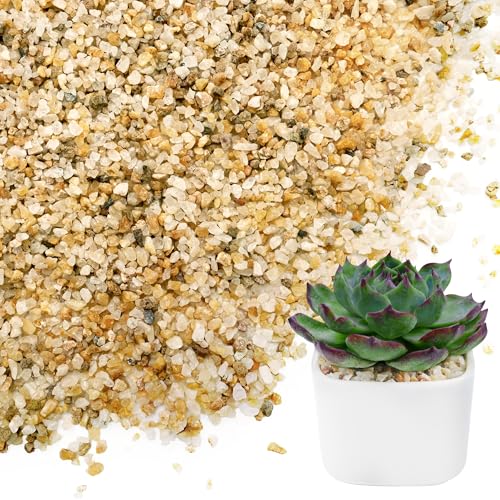
NUPICK provides a 1-2mm coarse river sand that is natural, durable, and free from dyes or artificial additives. It is reusable and washes clean, making it suitable for long-term use in potting, crafts, and decor. It improves aeration and moisture balance when mixed with potting soil in a 1:3 ratio, helping prevent soil compaction and enabling better nutrient access for roots. This product suits gardeners seeking a stable, visually appealing substrate with practical drainage support.
Pulovin 2.5 lbs Coarse Silica Sand

Pulovin offers a 2.5-pound bag of coarse silica sand intended for indoor plant decor and terrarium use. The product highlights a natural, decorative gravel suitable for vases, aquariums, and terrariums. Its varied colors and sizes help create layered, visually appealing displays while providing drainage and moisture balance for container plants, bamboo, and succulents. This option blends aesthetics with functional substrate benefits for mixed planting setups.
Buying Guide: Key Considerations For River Sand In Plant Setups
Choosing the right river sand involves weighing texture, grain size, color, and environmental compatibility. Below are important factors to consider when evaluating options for your pots, terrariums, and planted tanks.
- Grain size and drainage: Finer sands improve surface coverage but may compact over time, reducing drainage. Coarser sands promote better air flow and root penetration but can appear bulky in small containers. For succulents, a mix of coarse and fine sand often yields balanced drainage and stability.
- Cleanliness and odor: Look for washed sand with minimal dust to reduce soil clouding and algae growth in aquariums or terrariums. Odor-free options tend to be more inviting for indoor spaces.
- Color and aesthetics: Sand color influences display appeal. Neutral tan or natural black sands provide a modern look in indoor planters while still performing drainage functions.
- Chemical neutrality: Ensure the sand is free from dyes, additives, or lime that could alter pH or nutrient availability for sensitive plants.
- Context of use: For terrariums and decorative pots, decorative top-dressing can enhance the visual impact. For planted tanks, choose substrates that support root growth and encourage beneficial microbial balance.
- Maintenance and reuse: Some sands are designed for repeated use in terrariums or aquariums, while others may be better suited for single-use decorative roles. Consider your long-term maintenance plan.
- Compatibility with other substrates: If mixing with peat, perlite, or coco coir, test ratios to avoid crusting or compaction. Start with small batches to observe how roots respond over several weeks.
When selecting river sand for plants, prioritize a balance of drainage, aeration, aesthetics, and compatibility with your specific plant types. The options listed here cover a range of textures and applications—from terrarium top-dressing to aquarium substrates—allowing you to tailor your setup to the plant’s needs and your display goals.