Direct answer: For removing leaf stains from pool surfaces, use a stain remover designed for pool linings, along with a spot-cleaning tool for tough deposits. The best options are citrus-based stains removers, metal stain eliminators, and pumice-based spot cleaners. This guide highlights five products that address leaf stains on vinyl, fiberglass, plaster, and tile, with clear guidance on suitability for different pool types.
Who should read this: Pool owners looking to restore bright, stain-free walls and floors; seasonal cleanup crews targeting rust and mineral stains; and DIY enthusiasts seeking easy-to-apply stain removal without harsh scrubbing. The top picks below include products that work with common pool finishes and minimize chemical disruption to water chemistry. A quick buyer’s table is included for fast comparison.
| Product | Best For | |
|---|---|---|
| Vanish Pool & Spa Stain Remover (2 LBS) – Natural Citrus | Light to moderate leaf and metal stains | Vinyl, Fiberglass, Metals |
| Vanish Pool & Spa Stain Remover 2 Pack (4 LBS) | Higher stain load, budget-conscious cleanup | Vinyl, Fiberglass, Metals |
| Pool Pumice Stone with EZ-Clip | Spot cleaning on plaster, tile, calcium deposits | Concrete, Plaster, Tile |
| Purity Pool OS Out Spot Stain Remover | General stain removal with minimal acid exposure | All surfaces |
| Pool Mate Metal Out Stain Remover | Metal stain prevention and removal | All pool surfaces with metal exposure |
Vanish Pool & Spa Stain Remover (2 LBS) – Natural Citrus
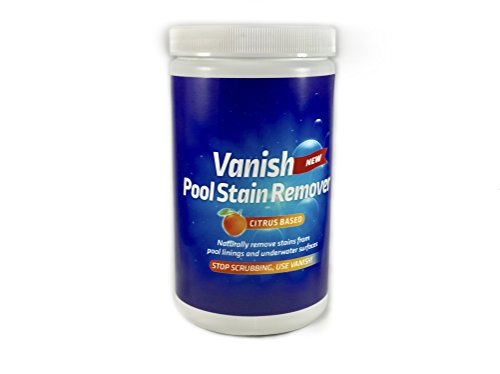
Best for lighter stains on vinyl and fiberglass surfaces. The citrus-based formula is designed to remove stains from pool linings and underwater surfaces without scrubbing. It’s advertised as safe for pools and easy to apply by pouring around the stained area, with optional light brushing for heavier stains. It is effective against common metal stains like rust, making it a solid all-purpose choice for leaf-stain incidents that accompany mineral deposits.
Who it’s best for: Homeowners managing vinyl or fiberglass pools who want a simple, no-scrub solution and want to address rust or metal-related streaks.
Why chosen: It combines ease of use with a citrus-based, non-scrub approach that targets both organic leaf stains and metal discoloration.
Caution: Avoid over-application around delicate finishes; test on a small area first to ensure compatibility with your pool lining.
Vanish Pool & Spa Stain Remover 2 Pack (4 LBS)

Best for higher stain loads and cost-conscious projects. The 2-pack variant extends coverage for larger residential pools, making it suitable for cleanup after leaves accumulate or after metal deposits appear across larger surface areas. The same citrus-based formulation supports safe use on vinyl and fiberglass while helping dissolve rust and tough stains.
Who it’s best for: Owners with bigger pool surfaces or those seeking multiple containers for ongoing maintenance seasons.
Why chosen: It provides extended volume and consistent performance for recurring leaf-related staining scenarios.
Caution: Monitor pool chemistry if using in high concentrations; balance may require subsequent testing after treatment.
Pool Pumice Stone with EZ-Clip
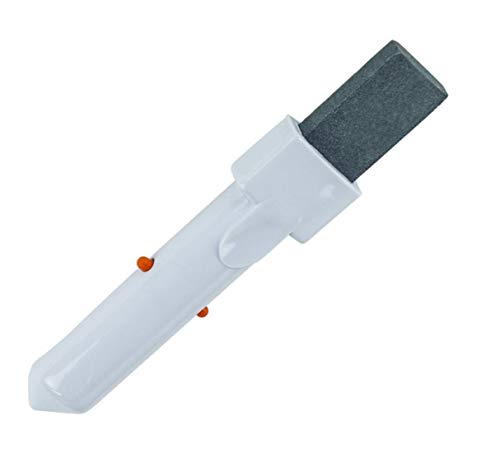
Best for spot cleaning on hard-water deposits and stubborn stains. The pumice stone is designed for use with a telescopic pole, enabling reach for vertical surfaces and tight spots. It works quickly on lime and calcium buildup and can remove stubborn rust or leaf stain residues where chemical methods fall short. It’s a good companion to chemical stain removers, especially on plaster or tile.
Who it’s best for: Pool owners with concrete, plaster, or tile surfaces who want a mechanical option for spot treatment in hard-to-reach areas.
Why chosen: It provides a physical cleaning option that complements chemical stain removers and reduces scrubbing effort.
Caution: Use with care on delicate finishes to avoid scratching; avoid using on vinyl liners where abrasion could occur.
Purity Pool OS Out Spot Stain Remover

Best for general stain removal with minimal acid exposure. This product emphasizes easy application and a conservative approach to pool chemistry. It suits everyday stain challenges, including leaf stains with mineral deposits, without heavy chemical disruption. Suitable for various surfaces with careful application.
Who it’s best for: Pool caretakers who want a straightforward, mild treatment that won’t significantly alter water balance.
Why chosen: It offers a low-acid approach aimed at routine stain control across common pool surfaces.
Caution: As with any acid-based product, follow instructions to avoid over-application and potential surface sensitivity.
Pool Mate 1-Quart Metal Out Stain Remover

Best for metal stain control and prevention. This product is designed to remove and prevent staining from metals such as iron, copper, manganese, and other minerals that can accompany leaf debris and water sources. It is a practical choice when leaf stains coincide with metal build-up from equipment or piping.
Who it’s best for: Pools with metal-related staining or ongoing mineral management needs, especially in regions with hard water.
Why chosen: It combines stain removal with preventative action to keep surfaces clearer over time.
Caution: Avoid over-reliance on chemical stain preventers; combine with regular water testing and balance checks to maintain clarity.
Buying Guide: How to Choose Leaf-Stain Remedies for Pools
- Surface compatibility: Vinyl, fiberglass, plaster, and tile each respond differently to cleaners. For leaf stains that involve rust or mineral deposits, choose products formulated for your surface type.
- Stain type and strength: Light organic stains respond to citrus-based stain removers, while quartz or cement-based surfaces may require pumice or metal-specific products.
- Application method: If you prefer quick, no-scrub solutions, select liquid stain removers that can be poured around the stain. For stubborn spots, consider a pumice stone or a combination approach.
- Water chemistry impact: Some products use acids or chelating agents; plan to rebalance pH and alkalinity after treatment to protect surfaces and equipment.
- Volume and coverage: Larger pools benefit from multi-pack formulations. For spot cleaning, single-use products with targeted action can be more economical.
Frequently Asked Questions
- What causes leaf stains in pools? Leaf stains commonly arise from organic debris combined with mineral deposits like iron or copper, which can discolor pool walls and tiles.
- Can I use household cleaners to remove leaf stains? Household cleaners are not recommended for pool surfaces; use products designed for pool care to avoid chemical imbalance and surface damage.
- Is it safe to mix stain removers with chlorine? Follow label instructions; some products may interact with sanitizers. Always test in a small area first and rebalance water chemistry as needed.
- How often should I address leaf stains? Routine maintenance intervals depend on debris load and water chemistry. Spot cleaning after heavy leaf drop helps prevent buildup.
- Which product is best for metal stains? Metal Out stain removers are specifically formulated to target metal-related discoloration and help prevent future staining when used as directed.
- Can pumice stones damage pool surfaces? When used carefully with a pole and on appropriate surfaces (like plaster or tile), pumice stones are effective; avoid use on vinyl liners to prevent scratching.