This guide highlights top red wigglers for home composting, focusing on reliability, population size, and nutrient-rich worm castings. Each selection supports faster breakdown of kitchen scraps into valuable soil amendments, helping gardens thrive with healthier soil and improved structure. Below find a quick overview and a deeper look at five suitable options.
| Product | Brand | Count | Key Benefit |
|---|---|---|---|
| 100 Count Red Wiggler Composting Worms | Uncle Jim’s Worm Farm | 100 | Diverse worm population improves compost depth and timing |
| 1,200 Red Wigglers | NaturesGoodGuys | 1,200 | High starter population for quick composting start |
| 2,000 Count Red Wiggler Worms | Uncle Jim’s Worm Farm | 2000 | Large batch for rapid soil enrichment |
| 1/2 lb Red Wigglers | WWJD Worms | 1/2 lb | Balanced size for versatile compost setups |
| 1/4 lb Red Wigglers | WWJD Worms | 1/4 lb | Compact option for small bins and beginners |
Uncle Jim’s Worm Farm 100 Count Red Wiggler

The Best Worms for Composting: Our Red Wiggler worms are harvested from long-standing worm beds and may include multiple earthworm species. This diversity helps them work across all compost layers, producing better compost faster. They digest food scraps into nutrient-rich worm castings, improving garden soil health. Castings from red wigglers are notably richer in phosphates, nitrogen, and potash, supporting robust plant growth. These worms are suitable for home compost bins and garden beds.
Similar to other starter packs, this option supplies enough worms to jump-start a new composting system or to supplement an existing one. The creatures are hardy, adaptable, and capable of improving soil structure while accelerating the breakdown of household waste into valuable castings.
NaturesGoodGuys Live Redworms Composting Red Worms – 1,200
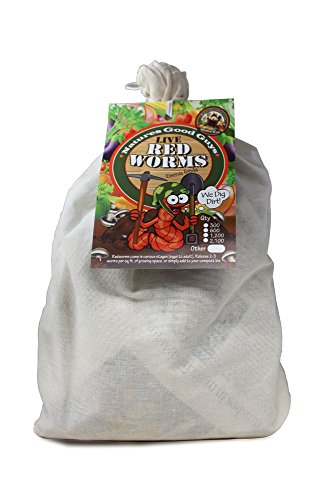
1,200 Live Red Worms offer substantial starting stock for rapid composting. Red Wigglers ingest organic waste and convert it into nutrient-dense castings, which improve soil fertility and structure. The large population can handle higher-volume scraps, making it suitable for dedicated composting setups or community gardens. These worms are a practical solution for homeowners seeking quick, visible improvements in soil condition and plant health over a growing season.
Uncle Jim’s Worm Farm 2000 Count Red Wiggler

Each 2,000-count pack provides a large starter population designed to accelerate the creation of mature worm castings. Diversity among the wigglers enhances their presence throughout the compost bed, promoting more uniform digestion of scraps. The result is a richer soil amendment and faster gains in soil texture, nutrient availability, and moisture retention in garden beds and potted soils.
WWJD Worms Red Wigglers 1/2lb

WWJD Worms offer nutrient-rich compost production by transforming organic matter into high-quality castings. They are adaptable to a range of temperatures and environments, making them suitable for various climates and setups—garden beds, worm farm projects, or classroom bins. Durable, healthy worms contribute to fertile soil and robust plant growth, with the casting product supplementing soil biology for ongoing health.
WWJD Worms Red Wigglers 1/4lb

This 1/4-pound option provides a compact introduction to worm-composting or serves as a supplementary batch for established bins. The red wigglers break down organic matter efficiently, delivering nutrient-dense castings that enhance soil fertility and plant vigor. It remains a practical choice for beginners or small-scale composting projects while maintaining nutritional benefits for garden beds and containers.
Buying Guide: Purchase considerations for red worms
- Population size vs. space: Larger counts accelerate composting but require more bin space and maintenance. For beginners, 100–2000 worms can be effective depending on bin size and waste volume.
- Worm quality and diversity: A mix of species and well-established worm beds often yields better performance across bin depths and varying waste inputs. Look for vendors that emphasize healthy, adaptable stock.
- Castings quality: Richer worm castings translate to faster seedling growth and improved soil structure. Castings nutrient content can vary by worm population and diet.
- Temperature and climate: Red Wigglers perform best in moderate temperatures. Ensure your bin setup provides insulation or shading as needed to protect worm health year-round.
- Bin compatibility: Consider bin size, moisture control, aeration, and feedstock management. Some worms thrive in larger, multi-bin systems, while others suit compact, beginner-friendly setups.
- Feeding guidelines: Chop scraps into smaller pieces and avoid adding meat, dairy, or oily foods. Regular, measured feeding supports steady casting production without odor issues.
- Care and maintenance: Regularly monitor bin moisture, aeration, and population to avoid anaerobic conditions. A healthy worm community remains active and productive with proper care.
- Cost and replacement strategy: Consider initial counts, longevity, and replenishment plans to maintain a stable population for ongoing composting efficiency.