Red hybrid tea roses add classic elegance, fragrance, and bold color to any landscape. This guide highlights five popular options available on Amazon, focusing on vibrant red blooms, sturdiness, and adaptable growing zones. Each selection features own-root or hardy growth, making them suitable for stand-alone specimens, hedges, or mixed borders. Read on to compare growth habits, fragrance, and care considerations to help choose the right red hybrid tea rose for your space.
| Product | Brand | Key Points |
|---|---|---|
| Loves Promise Rose 1.5 Gallon Potted Live Plant | Stargazer Perennials | Fragrant red blooms, 5 ft tall, zones 5-9 |
| BRECK’S Mister Lincoln Dormant Bare Root | BRECK’S | Dormant bare root, up to 4 ft tall, spacing 36 inches |
| SPRING HILL NURSERIES Chrysler Imperial Dormant Bare Root | SPRING HILL NURSERIES | Dormant bare root, up to 4 ft tall/wide, 40-50 petals |
| Heirloom Roses Velvet Fragrance Red Rose | Heirloom Roses | Own-root, 1 gallon, zones 5-10 |
| Heirloom Roses Mister Lincoln Red Rose | Heirloom Roses | Own-root, 1 gallon, zones 5-10 |
The products above were selected for their strong red color, classic hybrid tea form, and suitability for American gardens. Each entry emphasizes fragrance, bloom quality, and growth habit to help you envision how a red hybrid tea rose could enhance borders, entryways, or pollinator-friendly landscapes. Below, you’ll find detailed sections for each option, followed by a practical Buying Guide to assist in making an informed choice about plant type, size, and care requirements.
Loves Promise Rose 1.5 Gallon Potted Live Plant

Love’s Promise offers classic, large, fragrant red blossoms set against dark green foliage. The plant is well-suited for cut flowers due to long stems and extended vase life, making it a favorite for decorative arrangements as well as outdoor borders. It grows upright to about 5 feet tall and 2-3 feet wide when mature, providing a strong vertical presence that can anchor a corner or serve as a striking focal plant in a garden bed. The cultivar is described as adaptable to zones 5 through 9, which covers a broad portion of the United States. Use it as a standalone specimen, in small groups, or as part of a flowering hedge for dramatic color and scent. Shipped semi-dormant early in the season or fully leafed later on, it offers flexibility for garden planning and seasonal interest.
BRECK’S Mister Lincoln Dormant Bare Root Hybrid Tea Rose

Mr. Lincoln is a landmark red hybrid tea rose known for deep velvety petals and strong damask fragrance. This listing is for a dormant bare-root plant, typically shipped before active growth begins, which can lead to robust establishment with proper rooting and spring care. The plant can reach up to 4 feet in height, making it a versatile choice for borders, entryways, or near seating areas where fragrance can be enjoyed up close. Space plants about 36 inches apart to accommodate mature width while allowing good air circulation to minimize disease pressure. As a classic dark-red cultivar, Mister Lincoln brings traditional rose beauty and a timeless silhouette to diverse garden styles.
SPRING HILL NURSERIES Chrysler Imperial Hybrid Tea Rose Dormant Bare Root

This Chrysler Imperial offers a robust profile with double blossoms featuring 40 to 50 petals and a strong hypnotic damask fragrance. The plant is described as a dormant bare-root option that can reach up to 4 feet tall and wide, providing ample space for lush, branching growth. Early-season fragrance and extended bloom into the warmer months make this rose a staple for garden borders or focal plantings. When planting, space accordingly to ensure good air flow and to accommodate eventual spread while maintaining easy access for pruning and care. This cultivar is ideal for gardeners seeking a high-impact red rose with historical appeal.
Heirloom Roses Velvet Fragrance Red Rose
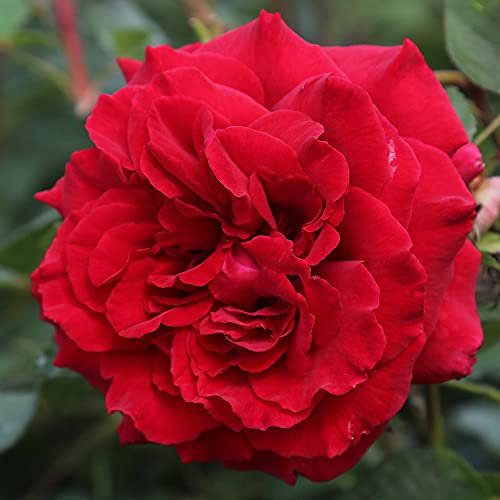
Velvet Fragrance is offered as an own-root rose, a characteristic that can enhance hardiness, bloom production, and longevity of the variety. Delivered in a one-gallon container, this plant is in the 12-16 month range in age and is hardy in zones 5–10. Own-root roses generally display strong resilience and a natural tendency to produce plentiful blooms, making Velvet Fragrance a solid choice for clients seeking reliable performance in both southern and northern gardens. Its classic hybrid tea form delivers traditional elegance with a rich, fragrant bouquet that can complement a formal border or a newly designed mixed bed.
Heirloom Roses Velvet Fragrance Red Rose
Note: This entry mirrors another Heirloom Roses benchmark and illustrates the brand’s emphasis on own-root plants with dependable winter hardiness. The Mister Lincoln line is renowned for its vivid red color and classic rose form, with a one-gallon container size that supports strong root development as the plant transitions into the growing season. Zones 5 through 10 indicate broad adaptability across many American climates, though local soil and climate conditions will influence timing of bloom and vigor. Heirloom Roses’ own-root approach aims to deliver consistent flowering and true-to-type performance over time.
Heirloom Roses Mister Lincoln Red Rose

Another Mister Lincoln listing emphasizes the own-root quality, one-gallon container, and broad hardiness in zones 5-10. The plant’s growth habit, bloom form, and fragrance align with traditional hybrid tea aesthetics—bold red blossoms with a classic, upright posture that works well as a centerpiece or structural focal point alongside evergreen shrubs or formal pathways. Gardeners seeking a reliable, high-contrast red bloom will find Mister Lincoln to be a dependable option that combines historical charm with modern horticultural resilience.
Heirloom Roses Oklahoma Red Rose Bush

Oklahoma Red Rose is another own-root hybrid tea in the Heirloom Roses lineup, designed to deliver resilient growth and multiple bloom cycles. In the one-gallon container range, it is geared toward gardeners who want to establish a strong red presence with repeat flowering and robust disease resistance. Zones 7–10 indicate suitability for warmer climates with longer growing seasons, though microclimates and winter protection strategies can expand regional viability. As with other Heirloom roses in this selection, owners can expect a steady supply of red blossoms and a traditional hybrid tea silhouette that readily complements garden borders and entryways.
Buying Guide: Key Purchase Considerations
- Root type: Own-root roses tend to be hardier and produce blooms more consistently over time than grafted varieties, though bare-root options can offer strong establishment if planted at the correct time with proper care.
- Growth habit and space: Most red hybrid teas listed here reach 4–5 feet tall, with widths varying up to 2–3 feet. Plan for spacing that allows air circulation to reduce disease risk and give plants room to mature without crowding.
- Hardiness zones: Ensure the cultivar matches your local winter lows. The selections cover zones 5–10, with some more tolerant of colder or warmer conditions. Consider winter protection for marginal climates.
- Fragrance and bloom form: If scent is important, prioritize varieties cited as fragrant and with classic hybrid tea blooms. Double-check petal count and bloom duration to align with garden timing goals.
- Placement and design: Red roses pair well with evergreen hedges, white or pale florals, and dark foliage. They can anchor borders, line driveways, or be used in flowering hedges to create a bold statement.
- Maintenance requirements: Regular pruning, fertilization, and pest monitoring support long-term vigor. Bare-root and dormant plantings may need initial pruning to encourage strong new growth.
- Availability and shipping: Seasonal shipping windows can affect establishment. Look for reputable retailers offering healthy bare-root or potted specimens and clear care instructions on arrival.
For gardeners seeking a classic red rose presence with fragrance and formal bloom structure, these red hybrid teas provide a range of options—from stunning potted specimens to reliable bare-root varieties. Consider your climate, space, and design goals when selecting the best fit for borders, hedges, or focal plantings in your landscape.