Looking to add vivid red blossoms to your outdoor space? Red flowering sage (Salvia coccinea and related varieties) delivers striking color, attracts pollinators, and adapts to a range of garden styles. Below are five highly regarded options from reputable seed and plant suppliers, each with distinctive bloom timing, size, and garden role. Use this guide to compare varieties and choose seeds or plants that fit your climate and design goals.
Summary of selected products:
| Product | Brand | Type | Highlights |
|---|---|---|---|
| Scarlet Red Sage Seeds (1 Pack) | Seed Needs | Open-pollinated seeds | Bright scarlet blooms, sun-loving, versatile borders |
| Summer Jewel Red Salvia Seeds | Park Seed | Seed pack | Fast bloom, award-winning, pollinator-friendly |
| Vista Fire-Engine Red Salvia Seeds | Park Seed | Seed pack | Compact, heat-tolerant, continuous color |
| Red Salvia Sage Plants (Live) | DMOH | Live plants | Spring planting, fragrant foliage, upright habit |
| Scarlet Red Sage Seeds (2 Packs) | Seed Needs | Open-pollinated seeds | Same vibrant color, increased germination options |
Seed Needs Scarlet Red Sage Seeds — 800 Heirloom Seeds

Scarlet Salvia (Salvia coccinea) seeds provide a dramatic splash of red in outdoor gardens. These open-pollinated, heirloom seeds are well suited for sunny beds and borders. They thrive in full sun with well-drained soil and warm temperatures, often used as annuals in cooler regions. The plants reach up to about 2 feet tall, making them versatile for back-row emphasis or container displays. This selection is particularly attractive to pollinators, enhancing garden wildlife.
Park Seed Summer Jewel Red Salvia Seeds

Summer Jewel Red Salvia is an award-winning dwarf variety that delivers hundreds of bright red blooms from late spring through fall. It’s widely praised for bloom coverage, garden resilience, and strong pollinator appeal, including hummingbirds, butterflies, and bees. Ideal for sunny borders, cottage gardens, and wildlife-friendly borders, this variety provides vibrant color without overwhelming small spaces.
Park Seed Vista Fire-Engine Red Salvia Seeds

Vista offers vivid red blooms all season with a compact, upright habit. Growing to about 10–12 inches tall and 8 inches wide, it’s perfect for container combinations, edging, and front-of-border displays. The variety attracts hummingbirds, bees, and butterflies, contributing daily motion and color to the garden while supporting pollinator populations with nectar-rich blooms.
Red Salvia Sage Plants Live for Spring Planting
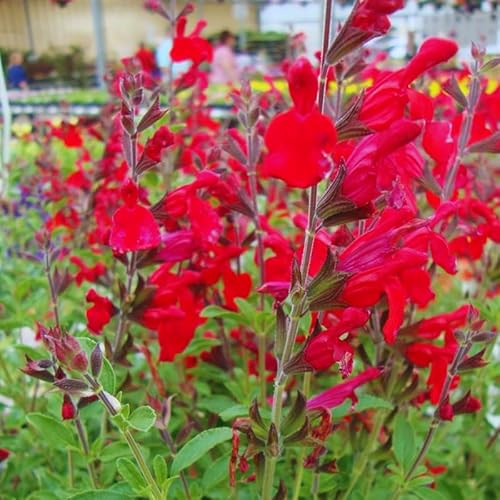
This pack provides live Salvia Sage plants, ready for spring planting. The 4-6 inch tall, upright, fast-growing stems produce quick color and fragrance. As a perennial shrub in suitable climates, it contributes to seasonal structure and garden scent while resisting typical drought stresses when established. Its upright habit helps create a bold focal point in borders or containers.
Seed Needs Scarlet Red Sage Seeds — 2 Packs

This option doubles the seed supply, delivering the same vibrant scarlet blooms and growth potential as the single-pack variant. The 2-pack format is convenient for filling larger beds, extending bloom windows, and creating cohesive color schemes across sunrise-to-sunset garden views. Ideal for borders, containers, and bedding beds in sunny locations.
Outsidepride Salvia Coccinea Scarlet Sage Seeds

Outsidepride’s Scarlet Sage seeds offer a generous count (about 5,000 per pack) with heat tolerance and wildlife appeal. These seeds are suited for pollinator-friendly gardens and wildflower beds, delivering striking red spikes that attract hummingbirds, butterflies, and bees across the growing season. The plants typically reach 24–36 inches in height, providing vertical drama in naturalistic or meadow-inspired landscapes.
50 Scarlet Sage Flower Seeds for Planting

This batch provides 50 seeds ideal for testing cultivation in new garden beds or as filler in mixed borders. The seeds are described as heat-loving and drought-tolerant once established, delivering bold red spikes that attract hummingbirds and butterflies. Start indoors before the last frost or direct sow after danger has passed for seasonal color in warm climates.
Buying Guide: Key Purchase Considerations For Red Flowering Sage
- Bloom timing and growth habit: Decide whether you want a tall border plant, a compact container variety, or a mid-height backdrop. Seed options typically need warm conditions and longer lead times, while live plants offer immediate color.
- Climate compatibility: Scarlets Sage varieties thrive in full sun and well-drained soil. In cooler regions, treat them as annuals or provide frost protection. In hotter zones, select heat-tolerant cultivars like Vista or Outsidepride seeds.
- Pollinator appeal: Red salvias are known for attracting hummingbirds, bees, and butterflies. If wildlife gardening is a goal, prioritize varieties advertised as pollinator-friendly or with continuous bloom.
- Maintenance and care: Most red salvias require regular deadheading to sustain bloom, with moderate irrigation. Drought-tolerant choices can reduce watering, but ensure establishment in the first season.
- Garden design considerations: Use tall varieties at the back of borders and compact cultivars in containers or edging. Red blooms provide strong contrast against greens and blues and pair well with ornamental grasses.
- Seed vs. plant: Seeds offer more economical long-term options and the joy of growing from scratch, while live plants provide instant color and a faster impact in spring.
- Perennial potential: In suitable USDA zones (typically 6-9), many salvias can behave as perennials, returning yearly with proper soil and sun. In colder climates, treat them as annuals or overwinter indoors if possible.
- Companion planting: Combine with drought-tolerant perennials, sun-loving annuals, or flowering herbs to extend color and attract a variety of pollinators throughout the season.