Finding an effective red ant killer for lawns requires balancing quick mound destruction with long-lasting protection. The products below are selected for residential lawns and ornamentals, offering fast knockdown, queen and colony targeting, and extended control. This guide compares active ingredients, application scopes, and longevity to help you choose the right solution for your yard.
| Product | Brand | Use | Size |
|---|---|---|---|
| Ortho Fire Ant Killer Mound Treatment | Ortho | Kills mounds and queen; prevents new mounds | 3 lb |
| BioAdvanced 24 Hour Lawn Insect & Fire Ant Killer | BioAdvanced | Outdoor ant control around homes and lawns | 32 oz |
| Amdro Fire Ant Killer for Lawns | Amdro | Up to 3 months of control; existing and new mounds | 5 lb |
| Spectracide Fire Ant Shield Granules | Spectracide | Granular mound destruction; kills queen and colony | 7 lb |
| Ortho BugClear Lawn Insect Killer | Ortho | Kills ants, spiders, ticks, fleas; broad pest control | 10 lb |
Note: This guide focuses on products that target red fire ants in lawns and adjacent ornamental areas. Always follow label directions for safe and effective use.
Ortho Fire Ant Killer Mound Treatment

Overview: Ortho Fire Ant Killer Mound Treatment is designed to kill fire ant mounds quickly and eliminate the queen, reducing new mound formation. It’s suitable for lawns, ornamentals, and flower beds, making it a versatile option for mixed landscapes. The product emphasizes fast action, with mound destruction occurring in about 15 minutes in many cases. This can help restore lawn health faster after a sting-prone season.
Key features: Kills mounds and queen; prevents new mounds; usable on lawns and ornamentals. It’s important to apply according to weather conditions and watering guidelines to maximize effectiveness.
BioAdvanced 24 Hour Lawn Insect & Fire Ant Killer

Overview: BioAdvanced offers a broad-spectrum outdoor insect control option that includes fire ants among over 500 listed pests. It’s designed for rapid action, with results claimed within 24 hours in many cases. Its versatility makes it suitable for use around homes and lawns where multiple pests may be present, including mosquitoes, ticks, and chinch bugs.
Key features: Fast action; controls many outdoor pests; suitable for lawns and perimeters. Always ensure proper coverage and avoid applying to flowering plants that attract pollinators unless specified on the label.
Amdro Fire Ant Killer for Lawns

Overview: Amdro’s Fire Ant Killer for Lawns emphasizes long-lasting control, offering up to three months of protection. The product targets existing mounds and helps prevent new ones by leveraging a two-way killing approach that combines bait with an insect growth regulator. This dual action supports a durable reduction in fire ant activity across the season.
Key features: Long-lasting control; targets existing and new mounds; two-way killing formula. Consider pairing with a lawn care program for broader pest management, including preventive steps for the surrounding landscape.
Spectracide Fire Ant Shield Granules

Overview: Spectracide Fire Ant Shield Granules focus on mound destruction and colony suppression. The product package provides granular granules that integrate into lawn soil to reduce fire ant activity. While product dimensions and packaging are listed, users should assess yard size and application spacing to ensure thorough coverage.
Key features: Mound destruction; kills colony; granular format for easy spreading. For best results, apply during suitable soil conditions and water lightly after application if directed by the label.
Ortho BugClear Lawn Insect Killer
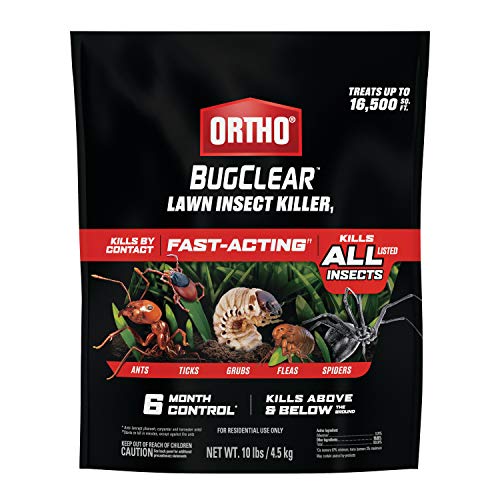
Overview: Ortho BugClear Lawn Insect Killer provides broad-spectrum control against ants, spiders, ticks, fleas, grubs, and armyworms. It offers extended protection, with up to six months of control against ants, which can help reduce recurring infestations. This product is suitable for lawns, gardens, and perimeters, offering a convenient single-solution approach for multiple pests.
Key features: Broad pest control; long-lasting ant protection; suitable for multiple landscape areas. Always check ant species exclusions and ensure compatibility with ornamental plants in your yard before applying.
Buying Guide
When selecting a red ant killer for lawns, consider these factors to make an informed choice:
- Mode of action: Some products kill existing mounds quickly, while others combine mound destruction with long-term suppression. Dual-action formulations can offer both immediate relief and ongoing protection.
- Coverage area: For large lawns, choose products that cover extensive square footage and allow even distribution. Granules and concentrates require different application tools; verify compatibility with your spreader.
- Longevity: If you face persistent ant activity, look for products with extended control periods (weeks to months). Long-lasting formulations reduce the need for frequent reapplication.
- Target species: Ensure the product specifically targets red fire ants and is labeled for use on lawns and ornamentals. Some sprays target a broad range of pests and may be suitable if you have multiple issues.
- Safety and placement: Read labels for pet and child safety, and avoid applying near flowering plants or water features not listed on the label. Follow best practices for outdoor use to protect beneficial insects.
- Application method: Consider your preferred method—granules, liquids, or mound-specific treatments. Apply under appropriate weather conditions and water in as directed to activate the product.
- Lawn compatibility: If you have a mixed landscape with ornamentals and edible plants, verify label allowances for those areas to prevent unintended harm to non-target plants.
Practical tips for use:
- Apply in dry weather with soil that’s moist but not waterlogged for optimal absorption.
- Monitor mounds after application; some products may require follow-up treatments if new mounds appear.
- Avoid broad irrigation immediately after application unless the label instructs otherwise.
For best results, align your choice with yard size, the presence of other pests, and your tolerance for maintenance. If you have a heavily infested lawn, starting with a mound-targeted product and following up with a long-acting preventive solution can be an effective strategy.