Best Raised Garden Beds for Vegetables That Boost Growth and Yields
Post published:February 25, 2026
Choosing the right raised garden bed can improve soil drainage, reduce back strain, and extend your growing season. This guide highlights five top-rated options ideal for vegetables, herbs, and flowers. Each bed emphasizes durability, ample soil volume, and easy assembly—so you can start growing sooner. The selections below cover metal and wood designs in varied sizes to fit patios, backyards, and balconies. Use the buying guide to compare materials, depth, and base configurations to find the best match for your climate and crop list.
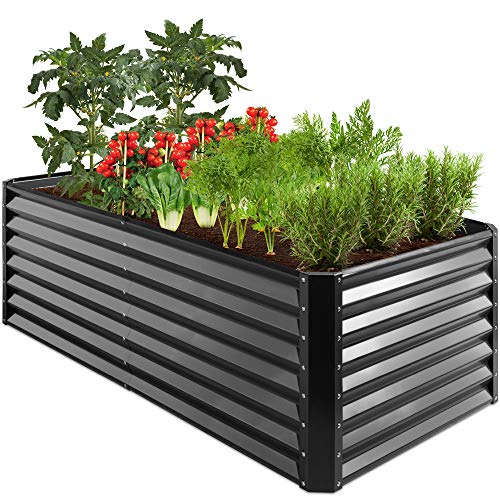
This metal raised bed provides 24 inches of growing depth, supporting vegetables with deeper root systems such as broccoli and beans. The bed has a sturdy powder-coated steel construction and includes wingnuts and bolts for tool-free assembly, with rubber edging for safety. Note that a bottom panel is not included, which can promote drainage and soil aeration for robust plant growth. The design suits medium to large vegetable plots and seasonal crops like lettuce and cucumbers when positioned in full sun.
Key features:
– 24-inch growing depth to hold up to 269 gallons of soil
– Tool-free assembly with secure rubber-edged panels
– Durable powder-coated steel for long-term outdoor use
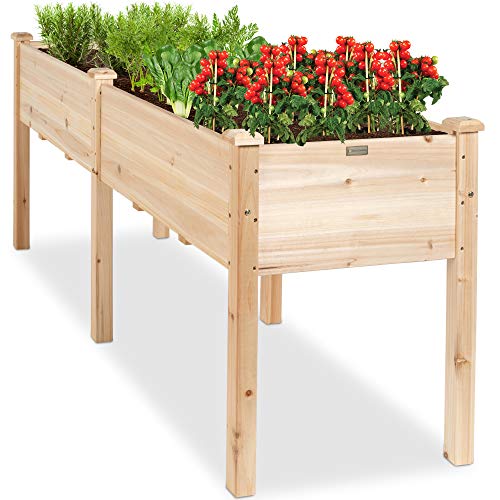
This elevated wooden planter uses naturally durable Chinese fir to deliver reliable weather resistance and a warm aesthetic for backyards and patios. The bed features a divider panel option and six legs, providing solid support and easy access. Drainage is maintained through deliberate design to support long-term plant health, with a capacity suitable for a range of vegetables, herbs, and ornamental plants.
Key features:
– All-wood construction for a natural look
– Divider panel option and a sturdy six-leg stand
– Natural wood feel that blends with outdoor spaces
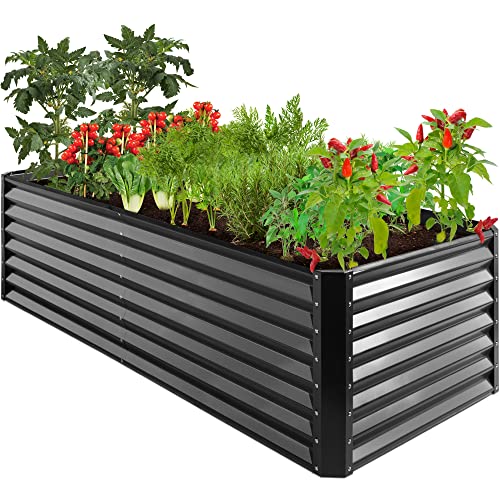
Designed for larger vegetable plots, this bed offers 24 inches of depth and a 478-gallon soil capacity. The open base with ribbed steel enhances aeration and drainage, making it ideal for leafy greens, root crops, and compost-friendly bed setups. It supports a robust garden layout while maintaining easy access for planting and maintenance, with tool-free assembly using wingnuts and bolts.
Key features:
– Deep 24-inch growing depth
– Open-base drainage to prevent water and salt buildup
– Easy, tool-free assembly with durable steel panels
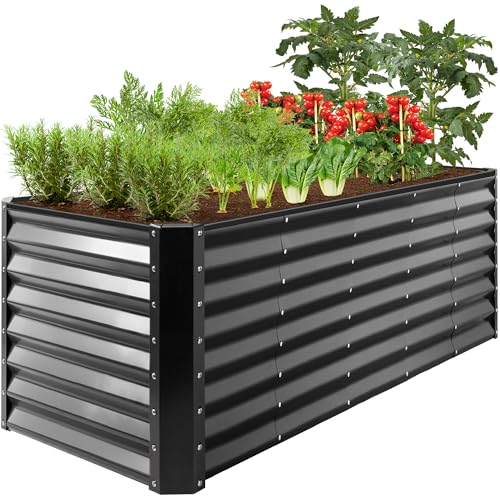
With a 239-gallon capacity, this bed is tailored for medium-to-deep rooting plants like broccoli and beans. It features a 24-inch depth and an open-bottom design to promote drainage and nutrient access to roots. The tool-free assembly and durable steel panels make it suitable for frequent repositioning or seasonal replanting across patios or yards where sun exposure varies.
Key features:
– 24-inch depth for deep-root crops
– Open-bottom drainage to prevent salt buildup
– Solid tool-free assembly for quick setup
This galvanized metal raised bed features reinforced cross bars and fixed piles to maintain shape and minimize soil leakage, with a large 396-gallon capacity. The environmentally friendly coating protects soil quality while providing corrosion resistance for long-term outdoor use. It’s a practical choice for gardeners who want a sturdy, low-maintenance option with ample space for vegetables like tomatoes, peppers, and leafy greens.
Key features:
– Large 8x4x2 ft footprint with 396 gallons capacity
– Galvanized steel for corrosion resistance
– Reinforced frame to prevent warping and leakage
Buying Guide: Key Considerations for Choosing a Raised Garden Bed
Material and durability: Metal beds offer strong support, deep growing depth, and long-term weather resistance, but may heat up quickly in hot climates. Wood beds provide a warmer look and easier anchoring but may require maintenance and sealing. Galvanized steel blends durability with rust resistance and a modern aesthetic. Consider climate, maintenance tolerance, and how long you plan to use the bed.
Growing depth and soil volume: Deeper beds (at least 24 inches) support deep-root crops like broccoli and beans. Larger volumes reduce the need for frequent soil replenishment but require more space and weight management. Match depth to crops you plan to grow and your available sun exposure.
Drainage and base design: Open-bottom or slatted bases improve drainage and soil aeration but may complicate weed control. Closed bottoms reduce soil loss and deter weeds but can hinder drainage. Choose a base design aligned with your watering habits and soil type.
Assembly and maintenance: Tool-free assembly saves time, especially for first-time gardeners. Powder-coated or galvanized finishes extend life in wet climates but may require occasional cleaning to prevent rust spots. Check accessory options like dividers, wheels, or liners for added flexibility and plant health.
Placement and mobility: If you need to relocate beds for sun changes or seasonal layouts, consider mobile options with locking wheels or lighter materials. For fixed installations, ensure the bed height is comfortable for your posture to minimize bending and strain.