Collecting rainwater for drinking requires careful consideration of materials, filtration, and storage. This guide highlights five rain barrels with food-grade or BPA-free features, designed to help households harvest rainwater with safety and practicality in mind. Each product section includes key specs, fit for gardens, and how to maximize water quality through proper filtration and maintenance.
| Product | Capacity | Material/Grade | Approx. Use |
|---|---|---|---|
| BayTec 55 Gallon Blue Water Barrel | 55 gal | HDPE, BPA Free | drinking water storage possible with filtration |
| Augason Farms 55-Gallon Water Storage Barrel | 55 gal | Food-Grade Polyethylene, BPA Free | emergency water storage |
| RTS Home Accents ECO Rain Barrel 50-Gallon | 50 gal | 100% Recycled Plastic | rainwater storage with eco-friendly build |
| RTS Home Accents Premium 55-Gallon Eco Barrel | 55 gal | 100% Recycled Plastic | larger storage, flat-back design |
| FCMP Outdoor Raincatcher 4000, 50-Gallon | 50 gal | Flat-Back Design, Expandable | rainwater collection with spigots |
Note: Always use proper filtration and disinfection steps before drinking rainwater. The listed items are selected for materials and design that support safer storage and potential potable use when paired with appropriate filtration systems.
BayTec 55-Gallon Blue Water Barrel
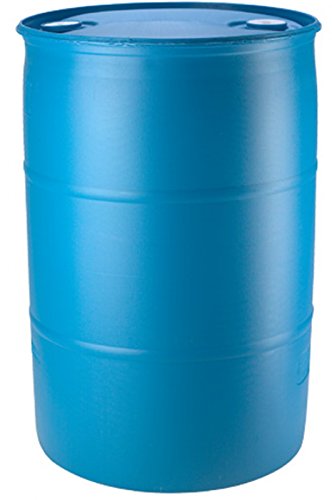
Capacity and build are coupled with food-grade considerations. This blue 55-gallon drum is marketed for liquid storage and is BPA-free, making it a candidate for drinking water, especially when paired with filtration. It can function as a rain barrel, and its UN-DOT designation is often cited for safe handling in bulk storage contexts. Use with a certified filtration system to ensure water quality for consumption.
Augason Farms 55-Gallon Water Storage Barrel
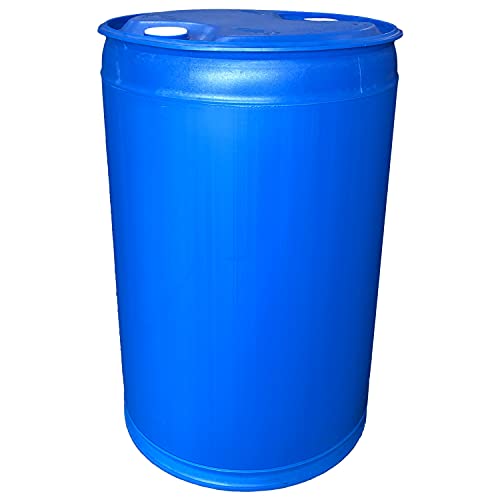
Designed as emergency water storage, this 55-gallon barrel is BPA-free and made from food-grade polyethylene. It’s suitable for long-term storage of drinking water when cleaned, sealed, and kept in a cool, dark environment. While marketed for emergencies, the material is aligned with potable-use practices, provided that the water is filtered and treated prior to consumption.
RTS Home Accents ECO Rain Barrel 50-Gallon

Made with 100% recycled plastic, this 50-gallon rain barrel is designed to collect roof runoff. It includes an overflow valve and compatibility for linking multiple barrels, making it adaptable for increased storage. For drinking-use, pair with a quality filtration system as part of a comprehensive water treatment approach before any consumption.
RTS Home Accents Premium 55-Gallon Eco Barrel

With a removable lid and flat-back design, this 55-gallon barrel is optimized for space against walls. It’s built from 100% recycled plastic, supporting an eco-friendly rain collection solution. For potable use, ensure pre-filtration and disinfection steps are incorporated into your water treatment routine.
FCMP Outdoor Raincatcher 4000, 50-Gallon
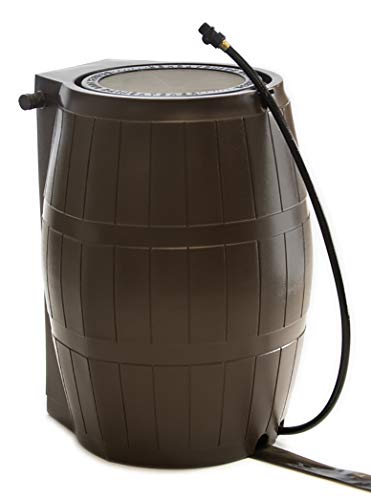
The Raincatcher 4000 is a 50-gallon barrel designed for flat-back placement, making it convenient to install along a wall and downspout. Side spigots and a linking kit allow expansion through multiple barrels. For drinking water, rely on pre-filtration and disinfection before consumption.
Buying Guide: Key Considerations For Drinking-Water Rain Barrels
When selecting a rain barrel intended for drinking water, consider material safety, compatibility with filtration systems, and installation constraints. Here are essential factors to review:
- Material grade: Look for BPA-free, food-grade plastics or barrels specifically labeled for potable water storage. HDPE and FDA-compliant plastics are common good options.
- Lid and seal integrity: A tight-fitting, removable lid minimizes contamination from debris and insects. A secure seal supports water quality during storage.
- Filtration integration: Plan for a multi-stage approach, including pre-filtration (mesh screens), sediment filters, and a point-of-use or point-of-entry disinfection method (e.g., UV or chemical treatment) before drinking.
- Storage conditions: Keep barrels in cool, shaded areas away from direct sunlight to limit algae growth and chemical leaching. Elevated placement can improve gravity-driven flow to taps or filters.
- Overflow and linking: Barrels with overflow valves and the ability to link multiple units help manage rainfall variability and maintain system pressure for dispensing.
- Maintenance: Regular cleaning, sanitization, and timely replacement of seals/reducing agents are essential for potable-use setups.
- Certification and labeling: Prefer barrels that come with explicit potable-water labeling or third-party certifications indicating suitability for drinking water.
Choosing a system involves balancing capacity, space, and safety. For many households, pairing a rain barrel with a certified filtration system, a proper first-flush diverter, and routine sanitization provides a practical, safer approach to using harvested rainwater for drinking needs.