Grow a vibrant pumpkin patch with a curated mix of heirloom and decorative varieties. This guide highlights five top pumpkin seed choices suitable for American gardens, focusing on flavor, size, color, and resilience. Each option comes with unique attributes, from decorative gourds to large, record-breaking giants, helping you select seeds that align with cooking, carving, and display goals. Read on to compare seeds, growing needs, and what to expect in your garden season.
| Product | Brand | Type | Notable Qualities |
|---|---|---|---|
| HOME GROWN 5 Pumpkin Seeds Mix | HOME GROWN | Heirloom Mix | Non-GMO, open-pollinated, decorative and culinary use |
| Big Max Pumpkin Seeds | Instant Latch | Heirloom | Very large mature size, full sun, 110 days |
| Pumpkin Seeds 4 Variety Pack | SURVIVAL GARDEN SEEDS | Heirloom Varieties | Small Sugar, Jack O’ Lantern, Fairytale, Casper |
| Blue Jarrahdale Seeds | SURVIVAL GARDEN SEEDS | Blue-Gray Skin | Decorative and baking quality |
| Seed Needs Spooky Blend | Seed Needs | Mixed Heirlooms | Multiple varieties, diverse harvest times |
Best All-Around Heirloom Pumpkin Seed Mix

The HOME GROWN 𝗨𝗦𝗔 𝗣𝗥𝗘𝗠𝗜𝗨𝗠 5 Pumpkin Seeds Mix offers a diverse collection of heirloom, non-GMO varieties in a single package. This mix emphasizes flavor, nutrition, and ornamental value, blending pumpkins with colors, shapes, and textures suitable for culinary use and seasonal décor. With 40 premium seeds, gardeners can expect open-pollinated, non-hybrid plants that thrive in varied conditions. The included varieties are noted for carotene, minerals, and fiber, making them both decorative and pantry-ready. A resilient choice for heat, cool weather, and variable rainfall.
Growing tips: plant in full sun after the last frost, provide even moisture, and support vines as they expand. Expect a broad harvest window across several types, allowing for pies, roasted seeds, and decorative gourds.
Big Max Pumpkin Seeds For Large Harvests
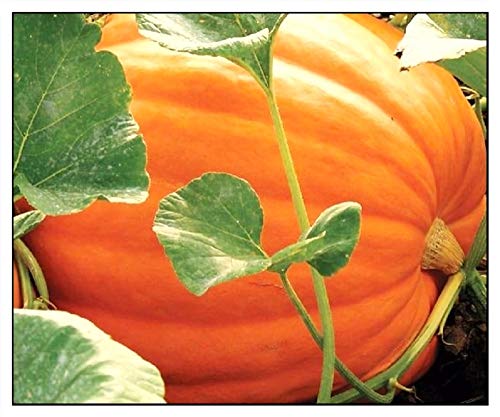
The 20 Big Max Pumpkin Seeds are an heirloom option designed for exceptionally large pumpkins. They grow to 100+ pounds and require full sun, with an estimated 110 days to maturity. This variety is ideal for gardeners seeking standout display pumpkins or giant cooking pumpkins. The seeds are suitable for warm-season planting and will demand ample spacing and sturdy trellis or support as fruit size increases.
Growing tips: plant in rich, well-drained soil, provide consistent moisture, and monitor for rot-prone spots. Support large fruits to prevent stem breakage and keep harvests healthy through late summer and early autumn.
Pumpkin Seeds 4 Variety Pack

The Pumpkin Seeds 4 Variety Pack includes Small Sugar, Jack O’ Lantern, Fairytale, and Casper pumpkins. This assortment is ideal for households that enjoy both carving and baking. Spanning traditional orange varieties to pale Casper gourds, the pack enables a broad harvest suitable for pies, decorative displays, and seasonal treats. Non-GMO and easy to grow, these seeds support a diverse pumpkin patch that thrives in family gardens.
Growing tips: stagger plantings to extend harvest windows and provide ample space between vines. Use straw or mulch to minimize rot and manage soil moisture.
Blue Jarrahdale Seed Variety For Unique Color

The Blue Jarrahdale pumpkin seeds produce decorative blue-gray-skinned pumpkins with sweet flesh ideal for baking and display. This heirloom, non-GMO variety is prized for its striking color and robust flavor. It’s well-suited for fall decor and long storage, making it a popular choice for gardeners who want novelty alongside culinary quality. Plant in spring for autumn harvests, or sow later for late-season decorative pumpkins.
Growing tips: provide full sun and consistent moisture. Harvest when rind hardens and color deepens for best flavor and storage longevity.
Seed Needs Spooky Blend For Diverse Harvest

The Seed Needs Spooky Blend combines more than seven pumpkin varieties, including Lumina White, Jack O’ Lantern, Blue Jarrahdale, and Cinderella, among others. This non-GMO, untreated mix is designed for gardeners who want a staggered harvest with varied colors and shapes. Different seed sizes influence the eventual fruit size, with larger seeds tending toward larger pumpkins. Harvest windows range from 90 to 125 days, enabling planning for both Halloween displays and autumn meals.
Growing tips: plant in warm soil, maintain even moisture, and provide well-drained soil. Label rows to track variety-specific harvest times and storage needs.
Buying Guide
Key purchase considerations for pumpkin seeds include variety goals, climate compatibility, and intended use. If decorative pumpkins are your focus, look for blue-skinned or white varieties, as well as compact hybrids that suit smaller gardens. For cooking and pies, choose varieties known for sweet flesh and high yield, such as Small Sugar or Casper variants. Non-GMO and heirloom seeds offer diversity and flavor but may require more attentive care than hybrids.
Seed quality and germination rates can vary by brand and storage. Opt for fresh seeds with clear labeling, and store in a cool, dry place to maximize viability. Consider seed blends that provide a range of harvest times, helping you extend harvests across the season. Spacing and soil preparation are crucial: enrich bed soil with compost, maintain consistent moisture, and mulch to regulate temperature. Finally, plan trellising or staking for large-fruit varieties to prevent stem breakage and ensure easier harvests.
Perspective checks: gardeners prioritizing aesthetic appeal should favor decorative or blue-hued varieties, while those focusing on cooking may prefer pumpkins with thick flesh and reliable yields. For beginner gardeners, start with a single variety to simplify care and monitoring, then expand to a mixed patch once confident with growing conditions.
In summary, the five selections above provide a balanced mix of decorative, culinary, and large-fruit options. Whether your goal is a colorful display, autumn pies, or family carving traditions, these pumpkin seeds offer choices that accommodate different climates, garden sizes, and maintenance preferences.