Protecting fruit, vegetables, and ornamentals from birds, deer, and other garden pests is a common challenge for American gardeners. Protective netting provides a simple, reusable solution that preserves yields without harming wildlife. This guide compares five highly-rated options, highlighting mesh size, durability, ease of use, and best-use scenarios. Each product below is suitable for gardens, raised beds, orchards, and container plantings, helping you choose the right barrier for your climate and crop mix.
Summary Table
- Feitore Deer Fence Netting – 7 ft x 100 ft, 3/4″ mesh, reusable, deer and bird protection
- KLEWEE Bird Netting – 7.5 ft x 100 ft, 3/4″ mesh, sturdy UV-stabilized material
- Featora Garden Barrier Netting – 10 ft x 10 ft, ultra-fine 0.8 mm x 1 mm mesh, see-through and breathable
- Jevrench Garden Netting – 4 ft x 25 ft, ultra-fine 0.8 mm x 1 mm mesh, durable and reusable
- Ruolan Bird Netting – 13 ft x 20 ft, 0.8 in x 0.8 in mesh, reusable and easy to install
Feitore Deer Fence Netting: Durable Deer and Bird Protection
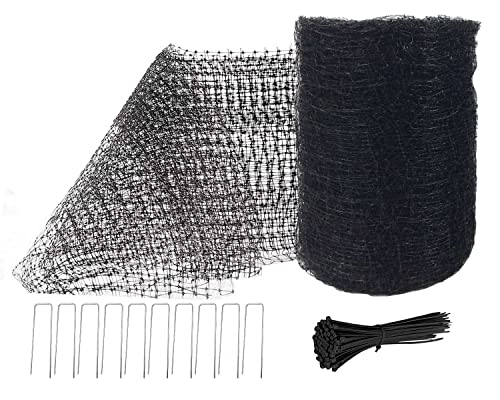
Feitore’s deer fence netting is designed for larger perimeter protection while remaining lightweight. The 7 feet by 100 feet roll offers extensive coverage for fruit trees, berry bushes, and garden beds. With a 3/4-inch square mesh, the netting keeps deer, birds, and other critters at bay without restricting plant growth. The kit includes installation nails and cable ties for quick setup, and the polypropylene construction resists tearing, rust, and rot. This makes Feitore netting a practical, economical choice for season-long use in homes and small farms.
Key features include high visibility to birds and animals, corrosion-resistant materials, and easy storage when not in use. It also doubles as a barrier for ponds, pools, and landscaped shrub borders, offering flexibility across various garden layouts. While sturdy, it remains lightweight enough to handle without specialized tools, which is ideal for DIY gardeners.
LCHUANG Garden Netting 4-Pack: Drawstring Barrier for Vulnerable Crops

LCHUANG offers a versatile 4-pack of garden netting with a drawstring mechanism to secure covers tightly over plants. Each panel provides flexible coverage for tomatoes, blueberries, strawberries, and other fruits and vegetables. The 3.3 ft by 2.7 ft panels are a convenient size for individual plants and smaller bushes, and the netting’s see-through PE material helps maintain light, air, and moisture flow. The drawstring design simplifies installation and removal, making it a practical choice for seasonal protection and quick reconfiguration of plantings in patios and nurseries.
Applications span from garden rows to container plantings, with a focus on preventing insect and bird intrusion while minimizing physical pressure on delicate fruits. Durability is enhanced by the UV-stabilized material, though frequent handling or heavy weather may require periodic inspection to ensure the drawstrings remain secure.
KLEWEE Bird Netting: Heavy-Duty Protection For Fruit Trees

KLEWEE’s netting is built for serious garden protection with a 7.5 x 100 ft footprint and a 3/4″ mesh. The kit includes metal U-shaped staples and zip ties, enabling fast, secure installation around trees, shrubs, and raised beds. The mesh is UV-stabilized for longevity and designed to resist tearing or deformation under sun exposure. It is sturdy enough to deter deer, pigeons, squirrels, and other larger pests, yet fine enough to shelter ripening fruit without impacting growth or airflow.
This option emphasizes reusability and animal-friendliness, encouraging long-term use across multiple seasons. While effective against a wide range of intruders, its weight and size might require some planning for very tall trees or multi-tiered canopies. Regular checks help maintain tension and coverage as plants grow and weather changes occur.
FARAER Garden Barrier Netting: Ultra Fine 10×10 Feet Cover

FARAER presents a 10×10 feet garden netting with an ultra-fine 0.8 mm by 1 mm mesh. This design provides robust protection against birds, insects, and small animals while maintaining air and light penetration essential for plant health. The see-through construction helps gardeners monitor plant development without removal. Its lightweight composition makes setup quick, and the mesh size is ideally suited for crops with delicate foliage, such as leafy greens, berries, and herbs.
Advantages include ease of watering and feeding through the mesh, as well as broad coverage for small to medium plots. The netting’s fine mesh is effective against cicadas and other seasonal pests. Users should assess crop height and potential wind exposure to ensure the barrier remains taut and effective throughout the season.
Jevrench Garden Netting: Reusable Ultra-Fine Plant Cover

Jevrench offers a 4 ft by 25 ft niche that provides substantial security for long beds and rows. The ultra-fine 0.8 mm by 1 mm mesh helps protect vegetables, fruits, and flowers from birds and small pests while allowing sunlight, air, and irrigation to pass through. The material is described as reusable and transparent, with greater elasticity to withstand sun exposure and wind. This makes Jevrench netting a strong option for gardeners seeking a durable barrier that won’t disrupt photosynthesis or plant development.
Consider using Jevrench netting over raised beds or low-hanging branches where access is easy. Proper anchoring and periodic checks during storms help maintain coverage. Its durability supports multiple growing seasons with proper storage and care.
Ruolan Bird Netting: Flexible 13×20 Feet Garden Cover
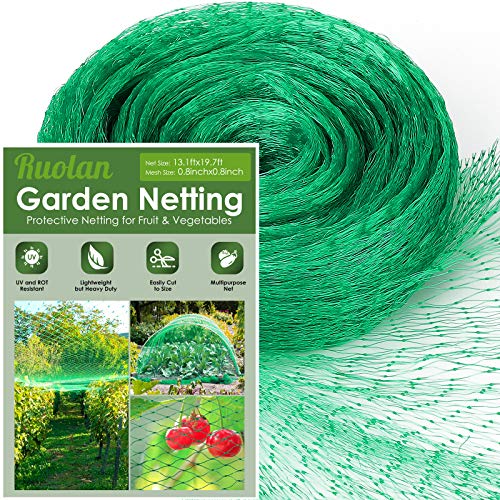
Ruolan’s 13×20 feet netting provides a large, reusable barrier suitable for medium to large garden spaces. The 0.8×0.8 inch mesh targets birds and small animals while allowing adequate airflow and light. Polypropylene construction resists tearing and is suitable for DIY installations on trellises, stakes, or perimeter enclosures. The netting’s versatility makes it a practical option for protecting fruit trees, vegetable plots, and ornamental plantings across multiple seasons.
Installation is straightforward, with the option to customize shape and size by cutting to fit. As with all netting, checking tension after wind or rainfall helps preserve coverage. Reusability is a key benefit, reducing long-term replacement costs for busy gardens.
Buying Guide: Key Purchase Considerations
- Mesh size and coverage: Choose mesh that prevents targeted pests from reaching crops. Larger gaps may deter birds but allow smaller insects or dust through; finer meshes provide stronger protection for berries and delicate produce.
- Material and durability: Look for UV-stabilized, weather-resistant plastics (PE/PP) for longevity. Reusable nets save costs over time, especially in climates with strong sun or frequent rainfall.
- Ease of use: Drawstrings, nails, or staples speed up setup and removal. Consider whether you need quick removal for watering or harvests.
- Coverage area: Assess bed size, tree canopy, and garden layout. Some nets come in large rolls for perimeter protection, while others are modular for individual plants.
- Impact on plant growth: Ensure the netting does not obstruct light, airflow, or irrigation. See-through meshes help monitor plant health during the season.
- Reusability and storage: Durable nets with minimal tangling are easier to store between seasons. Proper washing and drying extend life.
- Environmental considerations: Choose animal-friendly designs that deter pests without harming wildlife. Verify that the mesh size is appropriate for the target species in your area.
- Installation support: Some products include installation accessories (nails, zip ties, staples). When not included, plan for simple anchoring using stakes or cages.
Across these options, the best choice depends on garden size, crop types, and local wildlife. For expansive plots and fruit trees, Feitore and KLEWEE offer robust coverage with practical installation kits. For tight spaces or container gardens, LCHUANG and Jevrench provide compact, adjustable solutions. Ruolan and FARAER serve as solid mid-to-large area covers with easy maintenance and visibility. Always consider how you will water and feed your plants with the netting in place, and plan for seasonal removal to maximize harvests.
In summary, protective plant netting combines effectiveness with reusability, helping maintain yields while supporting sustainable garden practices. By selecting the right mesh size, material, and installation method, you can shield your crops from common garden pests without compromising plant health.